WonderKit
Friends trip · Mexico City, Mexico

A 3-Day Mexico City Weekend with Friends

Mexico City is one of the best group-trip cities on the planet, and the reason is structural: the things that are most fun here are things that get better with more people in them. A boat on the Xochimilco canals. A row of seats at the lucha libre. A cantina table where the beers keep arriving. A taco stand at two in the morning. None of it needs a reservation for eight, and almost none of it needs you all to want the same thing.

The plan below gives you one anchor a day, a backup if the group's energy or the weather shifts, and nights built around a specific neighbourhood so nobody is crossing the city at 1am to meet up. Three practical truths shape everything: the city sits at about 2,240 metres, so alcohol hits harder and dehydration comes faster than anyone expects on night one; dinner here starts around nine or ten, and bars don't really fill until after midnight, so a group that shows up at eight will be drinking alone; and the neighbourhoods that make this weekend work — Roma Norte, Condesa, Juárez, the Centro Histórico — are close enough together that a short ride-hail connects any two of them.

One honest note before you book. Roma and Condesa have been the centre of a real, documented conversation about gentrification and short-term rentals, with protests in 2025 aimed squarely at the displacement that comes with them. Nobody needs you to feel guilty for visiting, but the difference between a good guest and a bad one is small and cheap: try the Spanish, tip properly, spend money in the neighbourhood rather than only sleeping in it, and don't treat a residential street at 3am as your living room.

3-day plan6 stopsFriends tripMexico City
Planned by Wonder· built from real, checked placesReal places

Photo: Bill Dahl

Jump to a day
Day 1

The Centro by day, lucha libre by night, tacos after

A note from Wonder

Arena México is in Doctores, a few minutes by ride-hail from the Centro or Roma. Take Uber or DiDi rather than a street taxi, especially leaving late at night — that's standard local practice, not paranoia. Coming out after a show, walk a block or two before requesting the car so the driver isn't fighting the crowd.

Arena MéxicoAnchor

Arena México

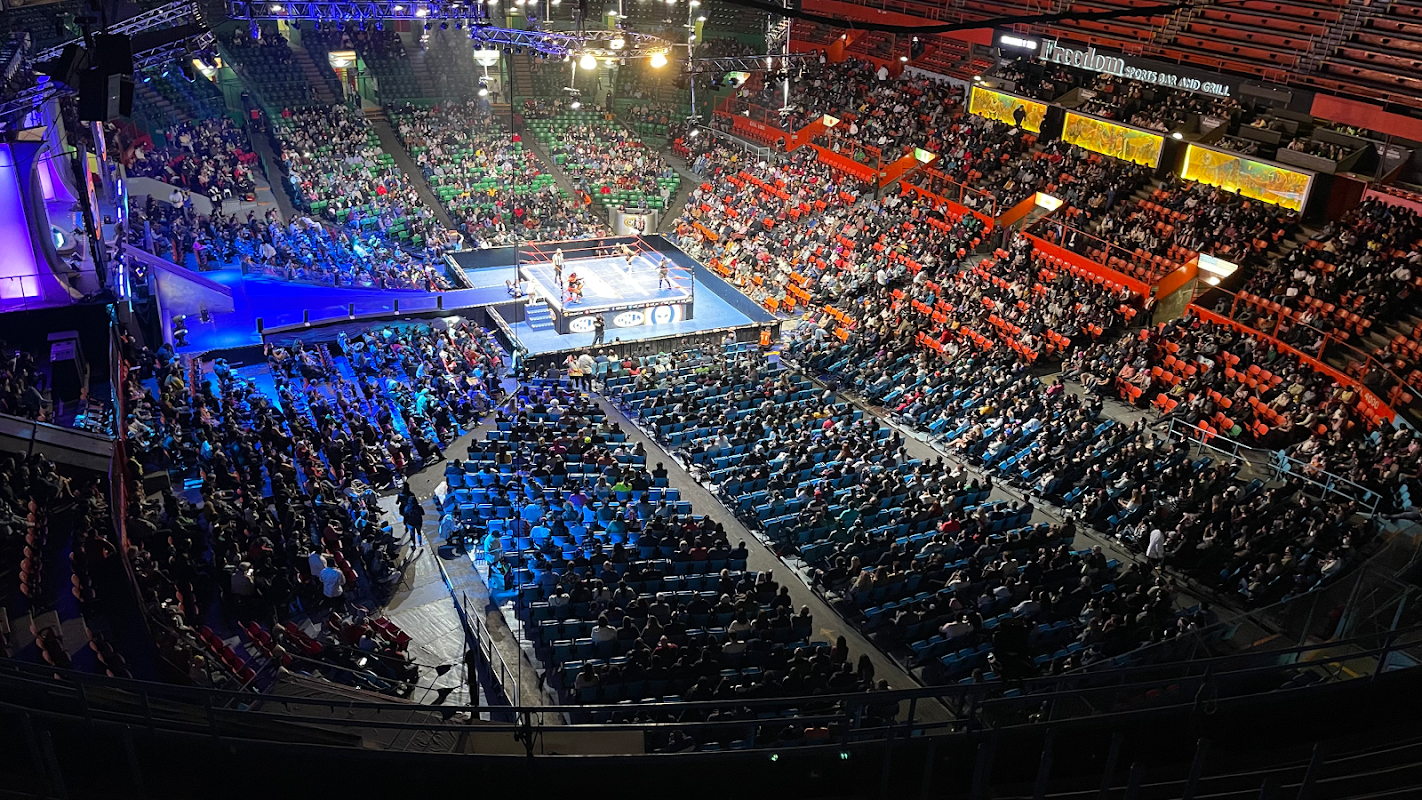
This is the single best thing a group of friends can do in this city, and it isn't close. Arena México in Colonia Doctores is the home of CMLL, the world's oldest wrestling promotion, and it is a genuine local institution rather than a show staged for visitors — families, kids, regulars in the cheap seats, an entire vocabulary of shouted commentary you'll pick up by the third match. The card runs several bouts, building to a main event, and the masks, the pyrotechnics and the crowd do the rest.

CMLL runs shows on a fixed weekly rhythm — Tuesday, Friday and Sunday, with the Friday night card the marquee one — and tickets are cheap by any international standard. Check the current card and start time on CMLL's own site before you commit the evening to it, and book ringside-ish seats rather than the very back if you want the group to actually see faces. Buy a mask outside on the way in; everyone will.

Arena México

Photo: Arena México

Plaza GaribaldiBackup

Plaza Garibaldi

If it's the wrong night for lucha, do the other loud thing: Plaza Garibaldi, where mariachi bands stand around waiting to be hired by the song, and Salón Tenampa on its edge — a cantina open since 1925, muralled floor to ceiling, and about as unsubtly joyful as a room gets. It's a group experience in exactly the same way: you're paying for the noise, and it's worth it.

Plaza Garibaldi

Photo: 1day1food1travel

Eat & rest

Before the wrestling: give the group a slow afternoon in the Centro Histórico. The Zócalo, the Palacio de Bellas Artes with its stained-glass and murals, and the streets between them are walkable, dense and free, and the group can peel off in twos without anyone getting lost. Work in a stop at Mercado de San Juan near Bellas Artes if anyone in the group is a serious eater — it's the market chefs shop at, and it sells things you will not see at home.

Drink: The Centro's historic cantinas are the right pre-match warm-up. La Ópera Bar has been going since 1876 and comes with the bullet-hole-in-the-ceiling story about Pancho Villa — worth seeing, though service reviews are genuinely mixed, so go for the room rather than the hospitality. Salón Corona is the easier one: an old beer hall with several Centro branches, cheap, fast, and completely unbothered by a group of eight walking in. For mezcal, Bósforo on Luis Moya is the small, dark, serious one.

Eat late: Los Cocuyos in the Centro Histórico is open around the clock and is the classic post-everything taco stop — tripa, lengua, campechanos, eaten standing up. This is the correct end to night one.

Day 2

A trajinera in Xochimilco, then Roma Norte after dark

A note from Wonder

Xochimilco is in the far south — budget 45–75 minutes each way by ride-hail depending on traffic, and go in the late morning or early afternoon so you're not coming back in the dark. Roma Norte is walkable bar-to-bar; Juárez is a short ride from it.

XochimilcoAnchor

Xochimilco

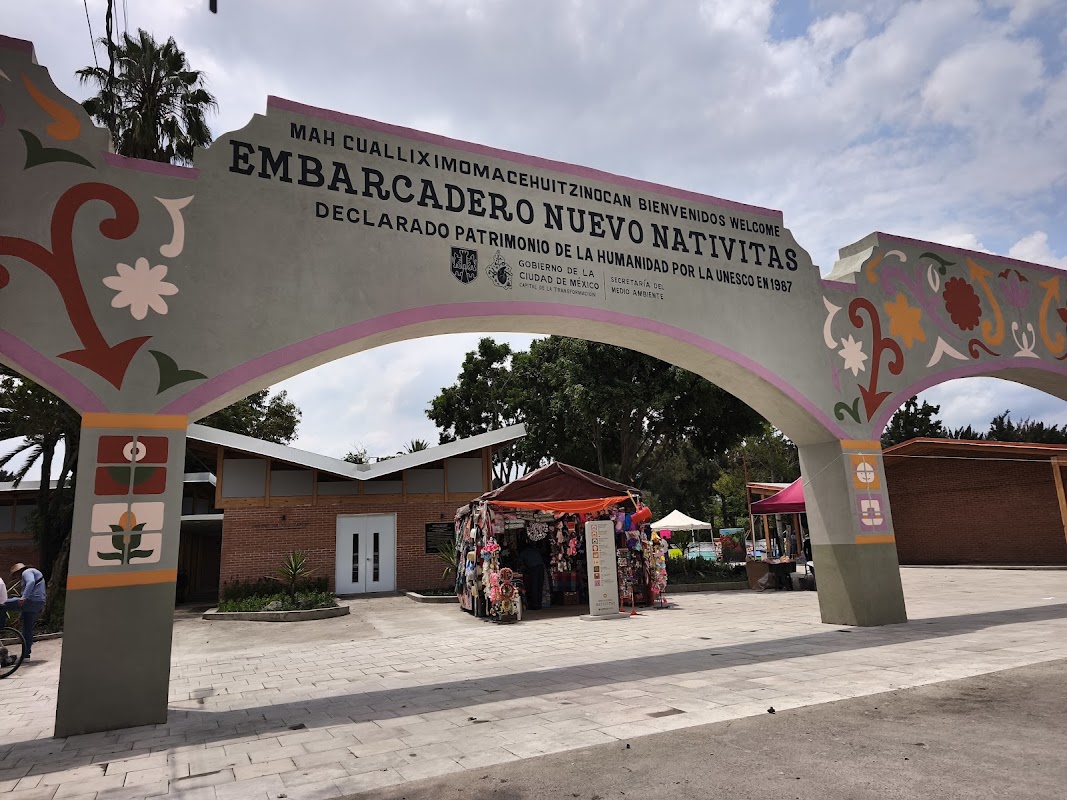
You hire a whole boat, not a seat — a flat-bottomed trajinera painted in colours you can see from space, poled slowly along the last surviving canals of the Aztec lake system, which is a UNESCO World Heritage site and also, on a Saturday afternoon, the most cheerfully chaotic party on water anywhere. Smaller boats pull alongside selling food, beer and micheladas; mariachis will come aboard and play for a price agreed per song. It is built for a group and it is genuinely bad alone.

Go from one of the official embarcaderos — Nuevo Nativitas is the most tourist-ready, with Cuemanco and Fernando Celada also running daily — and look for the posted official rate board. The price is set per hour and per boat, not per person, which is the single most useful thing to know before someone quotes you otherwise. Agree the hourly rate and the total length of the trip out loud before you step on.

Honest caveats, because this one deserves them: the rules on drinking aboard exist but are inconsistently enforced, and people do fall in. Keep the life jacket on, stay seated when the boat is moving, and don't be the group whose afternoon ends in a canal.

Xochimilco

Photo: Embarcadero Nuevo Nativitas Xochimilco

CoyoacánBackup

Coyoacán

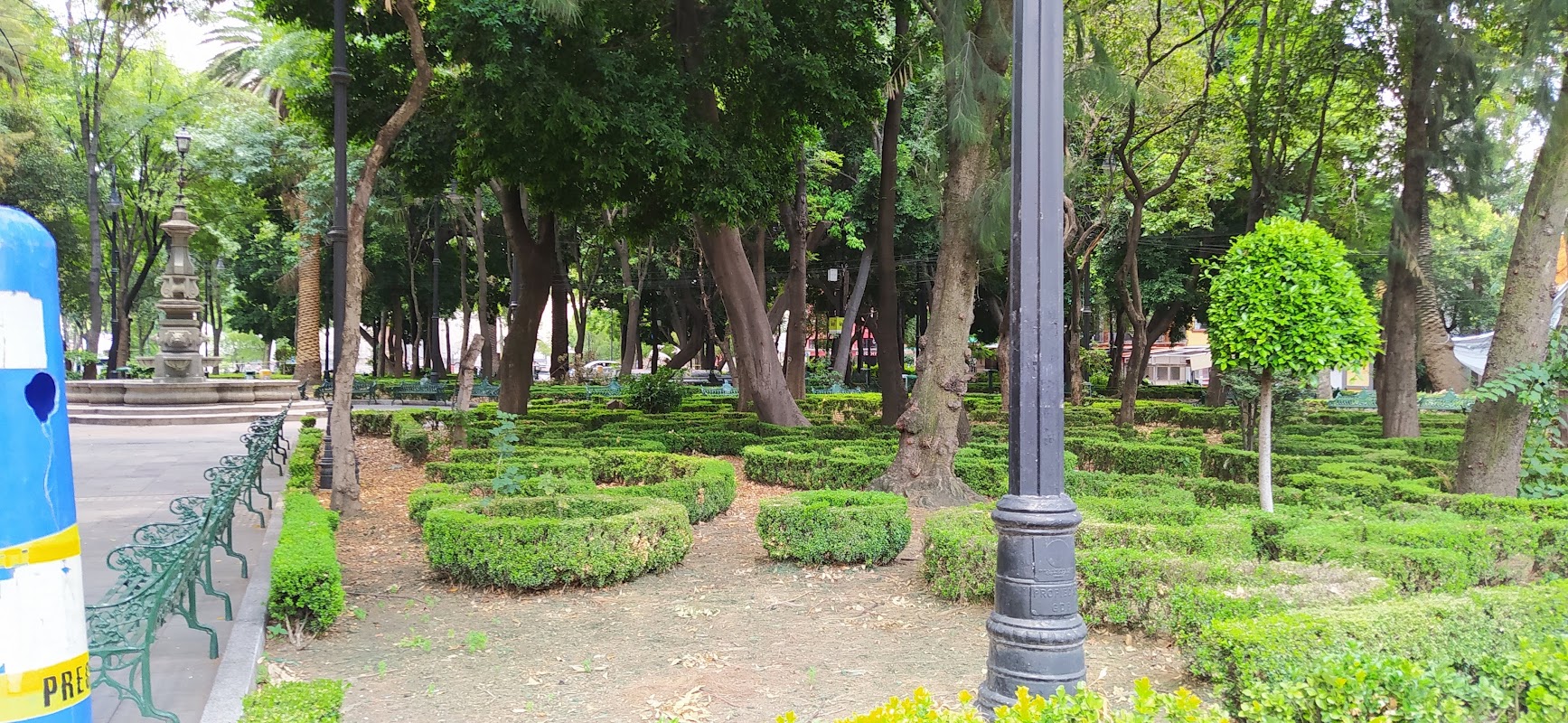
If the canals feel like too much, Coyoacán is the calmer version of the same day: a cobbled southern neighbourhood built around the Jardín Centenario, with the Mercado de Coyoacán a few streets away for tostadas and churros, and the Frida Kahlo Museum (Casa Azul) nearby if the group wants a sight — book Casa Azul ahead, it sells out. It's a walkable, sit-in-a-plaza afternoon that costs almost nothing.

Coyoacán

Photo: Yoon Min

Eat & rest

Eat / rest: Eat on the boat — the food that comes alongside is the point, and the group won't want a restaurant afterwards. Get back into the city by early evening and give everyone a couple of hours before the night starts, because it starts late here.

The night: Roma Norte is the crawl. Licorería Limantour on Álvaro Obregón is where the city's modern cocktail scene effectively began and remains one of the best bars in North America; Rayo on Salamanca is the newer, louder, very good one a few streets away; and Baltra Bar, Limantour's small sister on the Roma–Condesa border, is the one to end at when the group has thinned. If you want the current headliner, Handshake Speakeasy over in Colonia Juárez has held the number-one spot on North America's 50 Best Bars — but it is tiny and hard to get into, reservations are tight, and groups of six or more have to email ahead rather than just turning up. Decide as a group whether you want the queue or the crawl; you cannot really have both in one night.

Day 3

Chapultepec, a pulquería, and one last rooftop

A note from Wonder

Chapultepec has several metro stops and is a short ride from Roma and Condesa. Everything on this last day is fine to reach by Uber or DiDi; the Centro rooftops and the Roma ones are about twenty minutes apart, so pick one side rather than doing both.

Bosque de ChapultepecAnchor

Bosque de Chapultepec

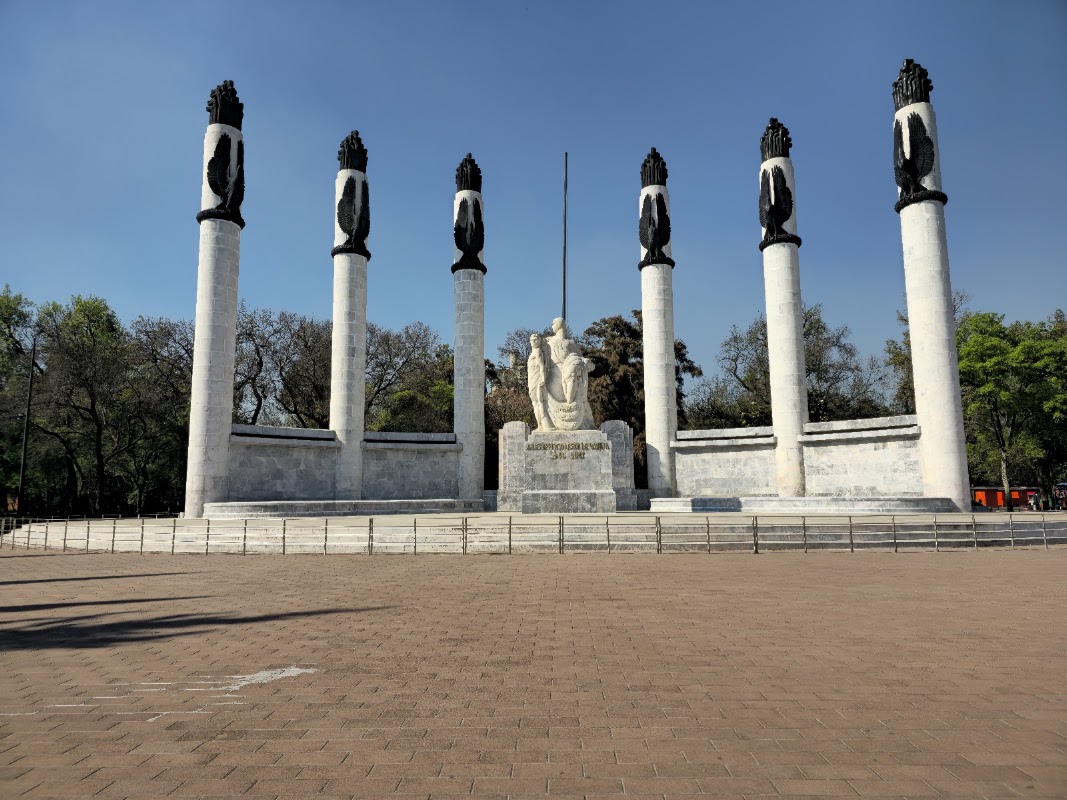
Day three should be gentle, and Chapultepec is the right size for a group that is not at its best. It's an enormous urban forest — bigger than Central Park — with the Castillo de Chapultepec on the hill above it, the Museo Nacional de Antropología at its edge, a lake, and enough space that people can split off and regroup without a plan. The zoo is free and closed on Mondays.

Two caveats worth knowing: the park is midway through a long expansion and restoration programme, so some structures and paths are fenced off at any given time, and opening hours for the Castillo in particular are worth checking the same day rather than trusting a guide. If the group only has energy for one indoor thing, make it the Anthropology Museum — it is one of the genuinely great museums in the world, and an hour in it beats three hours of trying.

Bosque de Chapultepec

Photo: Juan Coazozon

TeotihuacánBackup

Teotihuacán

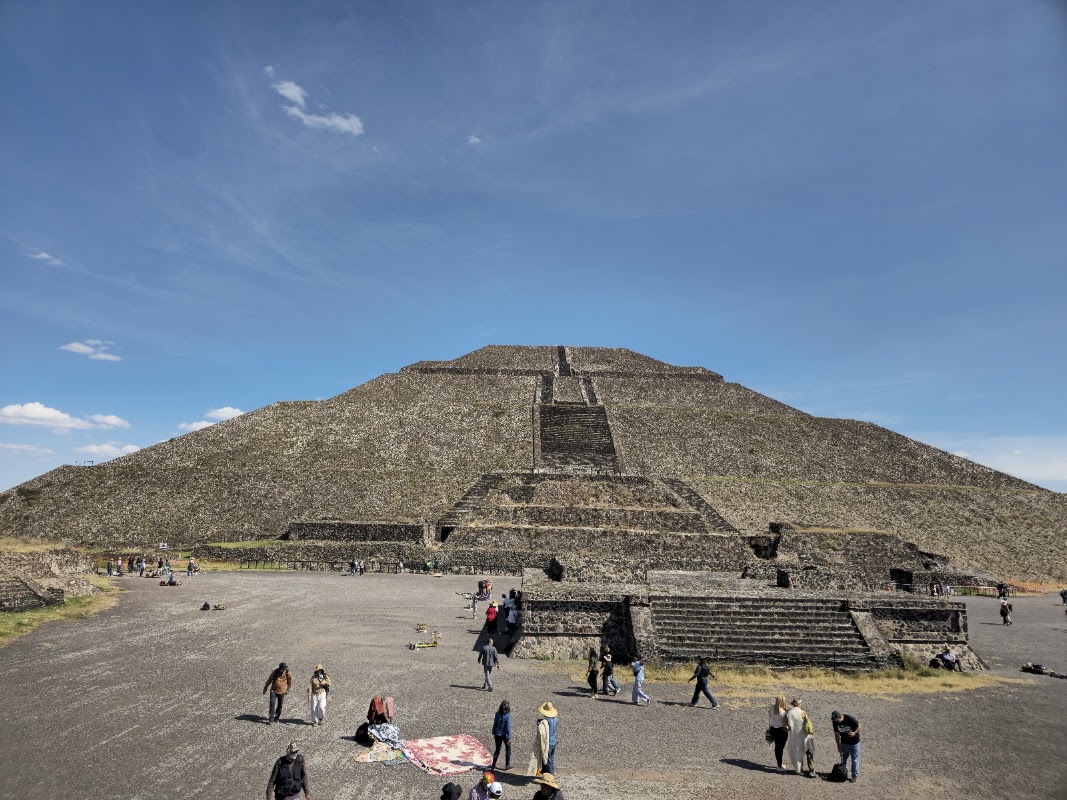
If the group has one big day left in it instead of a slow one, Teotihuacán — the vast pre-Aztec pyramid complex about an hour north — is the trip. Budget most of the day for it door to door, go early to beat both the heat and the crowds, and check the current rules on which structures can be climbed before anyone builds their hopes on the Pyramid of the Sun.

Teotihuacán

Photo: teresa Manent

Eat & rest

Drink: Finish with the two things the city does that nowhere else does. A pulquería first — Las Duelistas on Aranda in the Centro has been pouring pulque, the fermented agave drink that predates beer here, for well over a century, in a room covered in psychedelic murals; note it closes on Sundays, so if your last day is a Sunday go to Los Insurgentes in Roma instead, a converted mansion that keeps much longer hours. Pulque is thick, sour and an acquired taste; order one between two and see who likes it.

Then go up. Terraza Catedral, on a roof behind the Metropolitan Cathedral just off the Zócalo, is the cheap and unpretentious version, looking straight at the cathedral. 191 Rooftop, on top of Hotel Roma 191, and Supra Rooftop are the polished Roma-side alternatives with a wider view.

Eat: The correct last meal is El Vilsito in Narvarte — a car mechanic's workshop by day that rolls out an al pastor trompo at night and stays open until three, four, five in the morning. It is a genuine institution and the best possible way to end a group weekend here.

Group logistics

The things that actually make a bigger group work here:

  • A trajinera is hired per boat, per hour, not per person — the bigger the group, the cheaper it gets each. Use an official embarcadero with a posted rate board and agree the price and duration before boarding.
  • Use Uber, DiDi or Cabify rather than hailing street taxis, especially at night. It is the standard local recommendation and it also means the group can split across two cars and still meet at the same pin.
  • Altitude is real: the city sits at roughly 2,240 metres, so drinks land harder and dehydration comes faster. Electrolyte sachets ("electrolitos") are sold at every Oxxo and 7-Eleven — buy them on day one, not day three.
  • Nothing starts early. Dinner around nine or ten, bars filling after midnight. Build the evening backwards from that rather than fighting it.
  • Cantinas, markets and taco stands seat or serve a group of eight without a reservation. The cocktail bars mostly do not — Handshake in particular requires groups of six or more to arrange it by email in advance.
  • Roma Norte, Condesa, Juárez, Coyoacán and the Centro during the day are the areas this plan stays inside, and they are comfortable to walk. Ordinary big-city caution applies after midnight on quiet side streets — take the car the last few blocks.

Where to drink as a group

  • Historic cantinas, Centro: La Ópera Bar (since 1876, go for the room), Salón Corona (cheap, fast, group-proof), Salón Tenampa (Plaza Garibaldi, mariachi, since 1925).
  • Mezcal, Centro: Bósforo (Luis Moya) — small and serious. La Botica has several branches if Bósforo is full.
  • Cocktails, Roma Norte: Licorería Limantour (Álvaro Obregón), Rayo (Salamanca), Baltra Bar (Roma–Condesa border).
  • Cocktails, Juárez: Handshake Speakeasy — a North America’s 50 Best number one; tiny, reservations tight, groups of six-plus must email ahead.
  • Pulque: Las Duelistas (Aranda, Centro — closed Sundays) or Los Insurgentes (Roma, longer hours, open daily).
  • Rooftops: Terraza Catedral (Centro, cathedral view, cheap), 191 Rooftop and Supra Rooftop (Roma side, wider views).

Where to eat as a group

  • Late-night al pastor, Narvarte: El Vilsito — a mechanic’s workshop by day, a taquería until the small hours.
  • Round-the-clock, Centro: Los Cocuyos — tripa, lengua, campechanos, eaten standing up at any hour.
  • Markets: Mercado de San Juan (Centro, where chefs shop), Mercado de Coyoacán (tostadas and churros, pairs with the Coyoacán walk).
  • Mercado Roma, the gourmet food hall in Roma, is still open and easy for a mixed group — though recent visitors find it tireder than its reputation, so treat it as convenient rather than a destination.
  • The general rule: the group meal that works here is a stand or a market, not a restaurant. Almost nothing on this list needs a booking.
Your trip, your crew

Make this Mexico City plan yours

Tell WonderKit your dates and who's coming, and we'll rebuild this around your group in about a minute — everyone votes on the plan, and costs split automatically. One subscription, the whole group.

One of 52 ready-made WonderKit plans across 38 cities

No credit card · ready in about a minute

Keep exploring