WonderKit
Couples weekend · Copenhagen, Denmark

A Romantic 3-Day Copenhagen Weekend for Couples

Copenhagen is a city of water, low light and small warm rooms, which is a very specific kind of romantic. It is not grand in the Paris sense — it is intimate. You spend the days on foot and on a bike between canals and courtyards, and the evenings inside somewhere candlelit that seats thirty people. The plan below leans into that: one anchor a day, a backup for weather, and evenings built around a wine bar or a dinner rather than a list.

The single most important thing to get right here is the season, and most itineraries quietly skip it. In midwinter Copenhagen gets about seven hours of daylight — the sun is up around half eight and gone before four — and a lot of what people picture when they picture this city (harbour swims, street-food markets on the water, the spire climb) is either shut or genuinely unpleasant. Tivoli, the city's most romantic single place, is not open year-round: it runs in seasons with closed gaps between them. None of this makes a winter weekend worse; it makes it different, and the different version — dark afternoons, candles in every window, an ice rink where the street food was — is arguably the better one. But you have to plan for the city you're actually visiting.

So every day below has an honest seasonal note attached, and the indoor backups are real plans rather than consolation prizes.

3-day plan6 stopsCouples weekendCopenhagen
Planned by Wonder· built from real, checked placesReal places

Photo: GD

Jump to a day
Day 1

Nyhavn, the canals, and Tivoli after dark

A note from Wonder

Tivoli sits directly opposite Central Station, so it fits either end of an arrival day. Nyhavn, Christiansborg and Torvehallerne are all within about twenty minutes of each other on foot, and the metro covers the rest — Copenhagen is small enough that you rarely need more than one connection.

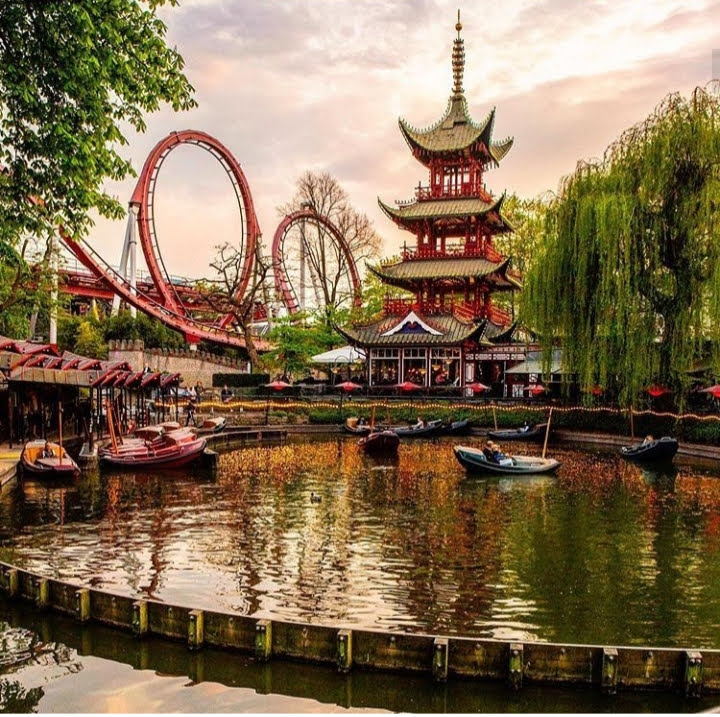
Tivoli GardensAnchor

Tivoli Gardens

Tivoli opened in 1843 and is the reason a lot of people fall for this city. It is not really an amusement park in the modern sense — it's a walled pleasure garden in the middle of Copenhagen, full of lakes, lanterns, flowerbeds, small theatres and a wooden rollercoaster from 1914, and it is at its best after dark when the whole thing is lit. Go in the evening, walk the perimeter slowly, eat something, ride one thing, and don't try to do it all.

The caveat that has to come first: Tivoli is seasonal and closed between seasons. It runs a long summer season from spring into September, then shuts and reopens for Halloween, shuts again and reopens for Christmas, with a short winter season after that. If your weekend lands in one of the gaps — mid-to-late September, or much of November — Tivoli is simply not open, and no amount of planning changes it. Check the current season dates on tivoli.dk before you build an evening around it. When it is open, the Christmas season is the one to aim for.

Tivoli Gardens

Photo: Dinho Vilas Boas

NyhavnBackup

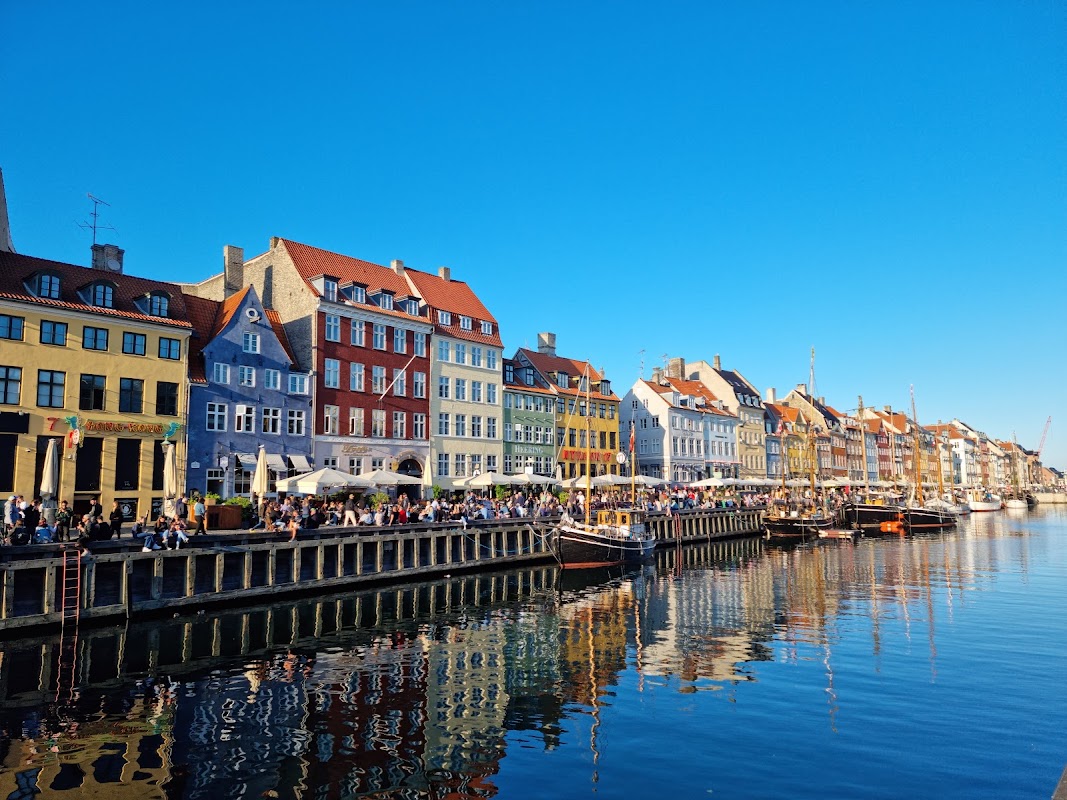
Nyhavn

If Tivoli is between seasons, take to the water instead. Canal tours leave from Nyhavn — the gabled, brightly painted quay that is the postcard image of the city — and cover the harbour, Christianshavn's canals and the opera house from the angle the city was built to be seen from. Crucially for a winter trip, some operators run heated, glass-roofed boats through the colder months, so this is one of the few outdoor plans that survives a January weekend intact.

Nyhavn

Photo: ΔΗΜΗΤΡΗΣ ΤΣΕΛΛΟΣ

Eat & rest

By day: Nyhavn itself is free, always open and takes about ten minutes to see — have the coffee, take the photograph, and then walk on into Indre By, the old town, where the good part is the streets rather than the sights. If you want a view without a ticket, the tower at Christiansborg Palace is free to go up and gives you the whole city and harbour from the middle of it; you pass through airport-style security to get in, which is the only friction.

Eat / rest: Lunch at Torvehallerne, the twin glass market halls near Nørreport — dozens of stalls under cover, which makes it the reliable move on a cold or wet day. For dinner, Marv & Ben on Snaregade in the old town is the strong couples pick: small, candlelit, Nordic cooking from scratch and a natural-wine list, open late. Afterwards, Lidkoeb in Vesterbro is the drink — a cocktail bar in an old 1886 pharmacy laboratory building, with a quieter whisky room upstairs and a fireplace, which is exactly what you want in this city in the dark half of the year.

Day 2

Christianshavn, the spire, and dinner in Kødbyen

A note from Wonder

Christianshavn is one metro stop or a fifteen-minute walk from the centre over the bridge at Nyhavn. Kødbyen is behind Central Station in Vesterbro — about twenty-five minutes on foot from Christianshavn, or a short metro-and-walk. Check the tower’s status on the day; wind closes it more often than rain does.

Church of Our SaviourAnchor

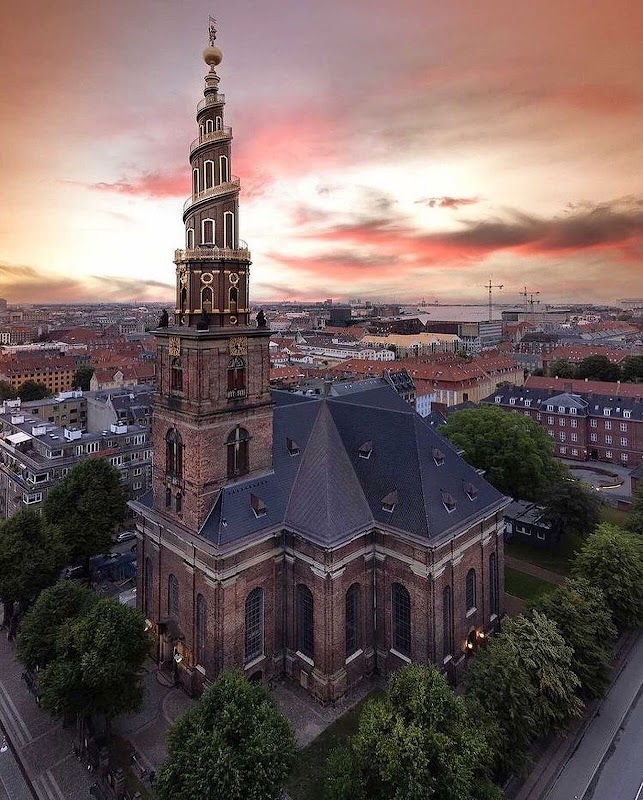
Church of Our Saviour

The best view in Copenhagen is earned. The Church of Our Saviour in Christianshavn has a black-and-gold helix spire, and you climb it — around 400 steps, the last 150 of them on an external staircase that spirals around the outside of the spire itself, narrowing as it goes, about 86 metres up. It is not for anyone uneasy with heights, and it is genuinely thrilling for anyone who isn't. From the top you get the whole city, the harbour and across to Sweden on a clear day.

Two honest conditions. It is seasonal: the tower opens daily from the start of February through late December, which means it is closed for the whole of January. And it closes the same day for rain, snow or strong wind — the copper steps are lethal when wet and have to dry before it reopens — so treat it as a plan that might evaporate on the morning. The church interior below is free to visit, on shorter hours, and worth stepping into either way.

Spend the rest of the day in Christianshavn around it: canals, houseboats, low old houses, and the quietest good walking in the city.

Church of Our Saviour

Photo: Joe 9⃣7⃣

Rosenborg CastleBackup

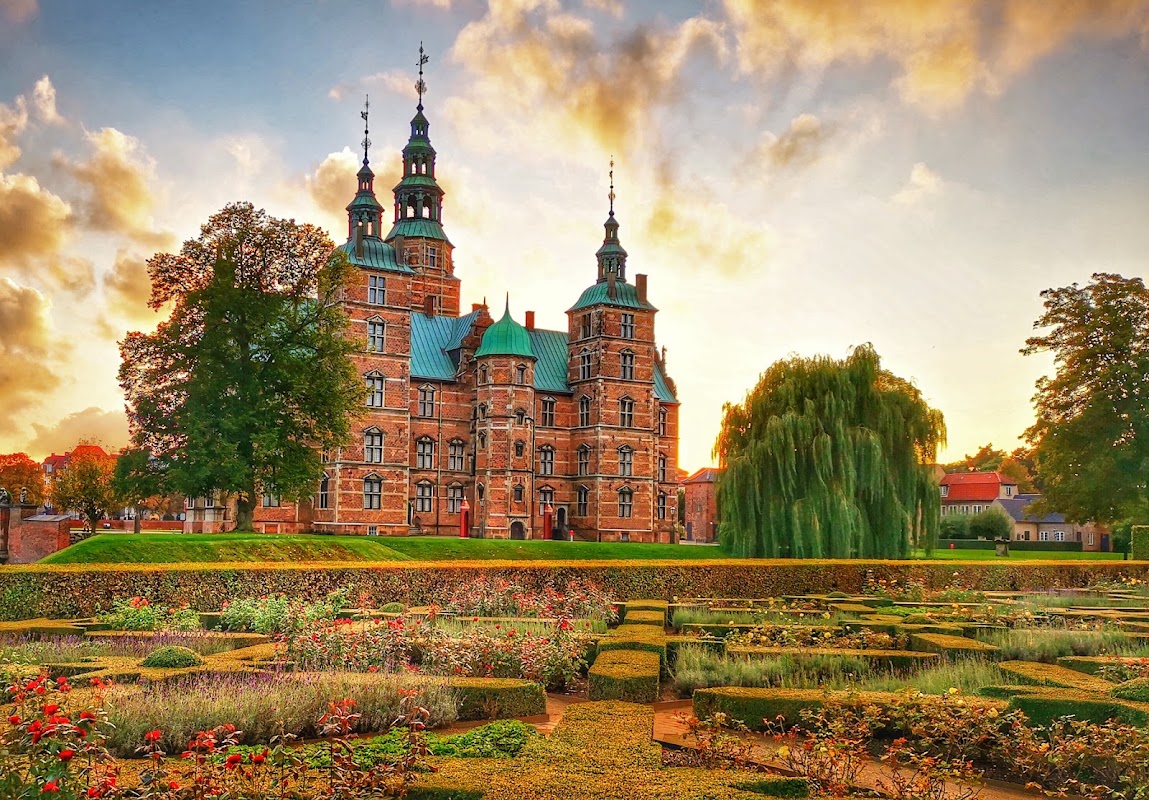
Rosenborg Castle

If the spire is closed for weather — or if 400 steps is not the mood — go to Rosenborg Castle instead: a small Renaissance castle set in Kongens Have, the oldest royal garden in the city. The garden is free and always open, with a rose garden that is genuinely lovely in summer; the castle interior keeps seasonal hours and holds the crown jewels in its basement. It's a much gentler afternoon and it works in any weather.

Rosenborg Castle

Photo: Richard Dennis

Eat & rest

By the water: Broens Gadekøkken sits on the Christianshavn side of the bridge from Nyhavn — a small street-food market in the warmer months that converts to an outdoor ice rink for the winter. Both versions are good; which one you get depends entirely on the date, and the operator doesn't always publish the changeover well in advance, so check broensstreetfood.dk before you count on either.

Eat / rest: Cross to Vesterbro for the evening. Kødbyens Fiskebar in Kødbyen — the old meatpacking district, now the city's best concentration of restaurants and bars in a few blocks of white-tiled warehouses — does seafood in a room that is loud in the right way, and holds a Michelin Bib Gourmand. Stay in the same few streets afterwards: Bambi on Flæsketorvet is a tiny natural-wine bar with Greek-leaning small plates and late hours at the weekend, and it is about as good as a two-person nightcap gets here. If you'd rather stay central, Villa Vino just off Strøget is the warm, rustic, small-producer wine room.

Day 3

The harbour, Refshaleøen, and a last view

A note from Wonder

Refshaleøen is reached by harbour bus (it runs on the same city ticket as the metro and buses, which makes it the cheapest boat ride in Copenhagen), by bus, or by bike in about twenty minutes from the centre. It is exposed out there — check the wind before committing to a whole afternoon.

RefshaleøenAnchor

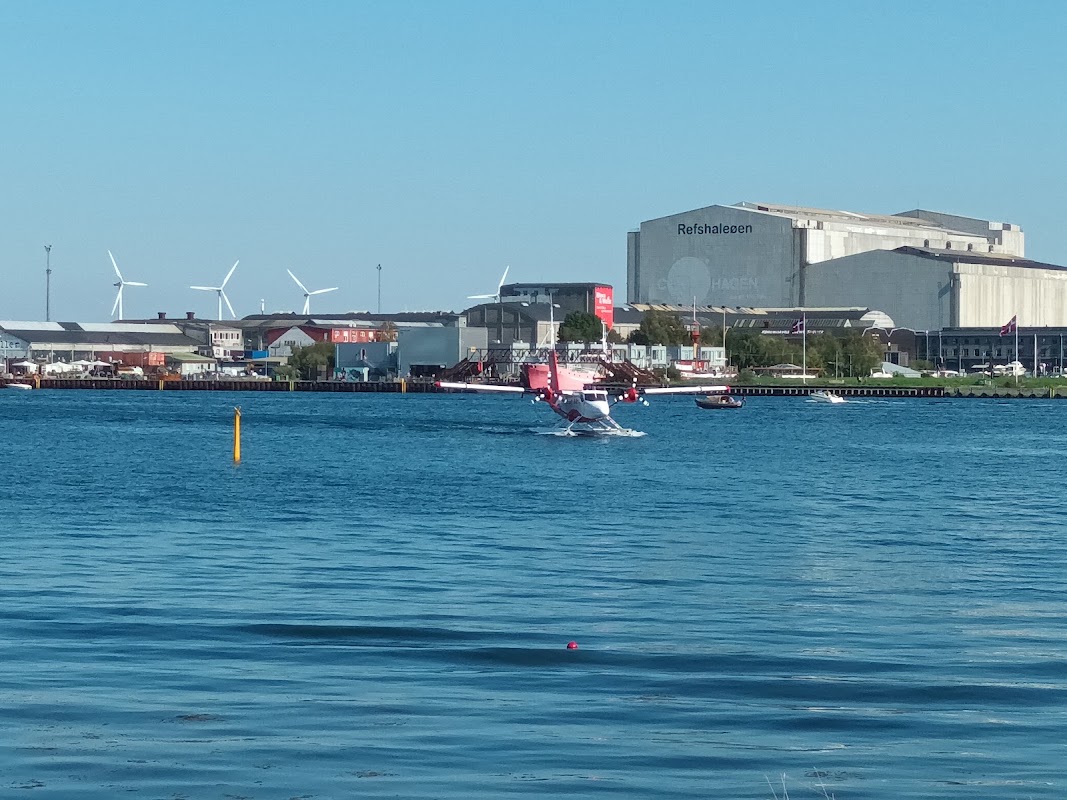
Refshaleøen

Refshaleøen is a former shipyard on its own spit of land across the harbour, and it has become the city's most interesting neighbourhood precisely because nothing there was designed to be charming. Cranes, warehouses, saunas, art spaces, a street-food market, and CopenHill — the waste-to-energy plant with a public ski slope and hiking path on its roof, which you can walk up for free during opening hours for one of the widest views over Copenhagen and the harbour there is. It is the least postcard-ish and most memorable half-day on this plan.

Seasonality, plainly: Reffen, the big street-food market out here, runs from around mid-March to the end of September, then converts to a harbourside ice rink for the winter — which leaves roughly October to early November as a gap when it is neither. CopenHill's roof path and the artificial ski surface work year-round. Check reffen.dk before you plan lunch around it.

Refshaleøen

Photo: miloš kráner

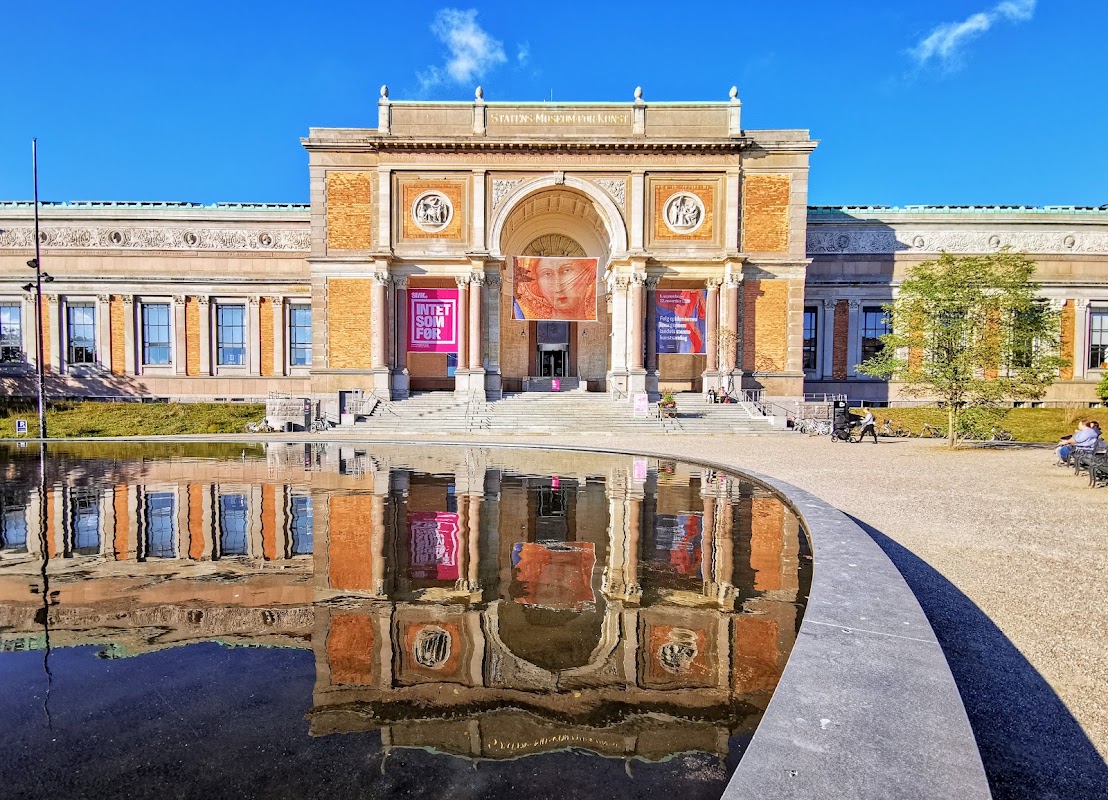
Statens Museum for KunstBackup

Statens Museum for Kunst

On a wet or bitterly dark day, swap the harbour for the two great indoor rooms. SMK, the national gallery, has seven centuries of European and Danish art and its permanent collection is free, always. The Ny Carlsberg Glyptotek nearby is the more romantic of the two — a sculpture museum built around a glass-roofed palm-filled winter garden that is one of the warmest, calmest places to sit in the city in January. It charges admission, with free entry on the last Wednesday of each month.

Statens Museum for Kunst

Photo: MortenCopenhagen

Eat & rest

Sunset moment: In winter this is easy, because the sun sets in the middle of the afternoon — head up CopenHill or take a rooftop bar earlier than feels natural. Copenhagen's rooftop scene is not summer-only if you pick right: ROOF Bar & Lounge above the NH Collection hotel, ILLUM Rooftop over Amagertorv with indoor dining alongside its terrace, and Zoku's greenhouse-style rooftop in Ørestad with fireplaces are all built to work in the cold. Anything purely open-air is a summer plan.

Eat / rest: For a last dinner, Restaurant Mêlée in Frederiksberg is the intimate, French-leaning bistro-and-wine-bar answer, another Bib Gourmand, and easier to get into than the headline names. If the question you actually came with is about noma: it closed as a nightly restaurant at the end of 2024, spent the following period as a projects-and-pop-ups operation, and reopened in Copenhagen in August 2026 under a new format built around monthly-changing seasons. It is extremely expensive and books far in advance, and its status has changed more than once — check noma.dk rather than any guide, this one included.

And get a pastry. Lagkagehuset (trading internationally as Ole & Steen) started in Christianshavn in 1991 and has branches everywhere; Andersen Bakery near Tivoli is the other easy one. Kanelsnurrer — cinnamon knots — in the morning, on a bench, is a better Copenhagen memory than most things you can buy a ticket for.

Seasonal honesty — read this before you book

More of Copenhagen is seasonal than almost any city this plan covers. What actually changes:

  • Daylight: around the winter solstice the city gets roughly seven hours of light — sunrise near half eight, sunset before four. Outdoor plans compress into the middle of the day, and the evening starts very early.
  • Tivoli runs in distinct seasons (a long summer season, Halloween, Christmas, and a short winter one) and is closed in the gaps between them. Mid-to-late September and much of November are the risky windows. Check tivoli.dk.
  • The Church of Our Saviour spire is open from the start of February to late December — closed all January — and closes same-day for rain, snow or strong wind whatever the season.
  • Reffen on Refshaleøen runs roughly mid-March to end of September, then becomes an ice rink for winter. Broens Gadekøkken by Nyhavn follows the same pattern, but does not reliably publish its changeover date — check before you go.
  • The harbour baths at Islands Brygge are structurally open all year but only lifeguarded in high summer. Outside that, swimming there is a cold-water-club activity, not a casual dip for two.
  • The Round Tower is open year-round and the climb up its spiral ramp is a fine rainy-day plan — but its observatory and telescope went into restoration, so check rundetaarn.dk if stargazing is the reason you were going.
  • What does not change: Nyhavn, the Little Mermaid, Kongens Have, the free tower at Christiansborg, SMK’s permanent collection and Torvehallerne are all open or accessible year-round.

Where to eat and drink (real places, clustered)

  • Small and candlelit, Indre By: Marv & Ben — Nordic scratch cooking, natural wine, open late, Bib Gourmand. Book ahead.
  • Seafood, Kødbyen (Vesterbro): Kødbyens Fiskebar — loud in the right way, Bib Gourmand, lunch service at weekends.
  • Intimate bistro, Frederiksberg: Restaurant Mêlée — French-leaning, Bib Gourmand, and easier to book than the headline rooms.
  • Market lunch, Nørreport: Torvehallerne — two covered halls of stalls; the reliable move in bad weather.
  • Wine, Kødbyen: Bambi — tiny natural-wine bar with Greek small plates and late weekend hours.
  • Wine, Indre By: Villa Vino, just off Strøget — warm, rustic, small European producers.
  • Cocktails, Vesterbro: Lidkoeb — an 1886 pharmacy-lab building, whisky room upstairs, fireplace.
  • Rooftops that work in winter: ROOF Bar & Lounge, ILLUM Rooftop, and Zoku’s greenhouse rooftop in Ørestad.
  • Pastry: Lagkagehuset (Ole & Steen) has branches everywhere; Andersen Bakery sits near Tivoli. Get the cinnamon knots.
  • On noma: it closed as a nightly restaurant at the end of 2024 and reopened in Copenhagen in August 2026 in a new format. Very expensive, books far out, and its status has moved before — check noma.dk directly.

When it rains or the light goes early (indoors)

Two of the three days above can turn on the weather. These are the swaps that hold up:

  • SMK (Statens Museum for Kunst) — the national gallery; the permanent collection is free, always.
  • Ny Carlsberg Glyptotek — a sculpture museum built around a glass-roofed winter garden, and the single warmest place to sit out a January afternoon. Free entry on the last Wednesday of the month.
  • Torvehallerne — covered market halls, free to browse, good for a slow lunch that turns into two hours.
  • A heated, glass-roofed canal boat from Nyhavn — the rare outdoor plan that works in the cold, though operators can still cancel for weather.
  • Rosenborg Castle — a small interior you can do properly in an hour, with the crown jewels in the basement, and Kongens Have outside for when it clears.
Your trip, your crew

Make this Copenhagen plan yours

Tell WonderKit your dates and who's coming, and we'll rebuild this around your group in about a minute — everyone votes on the plan, and costs split automatically. One subscription, the whole group.

One of 52 ready-made WonderKit plans across 38 cities

No credit card · ready in about a minute

Keep exploring