WonderKit
Couples weekend · Vienna, Austria

A Christmas markets weekend in Vienna

Vienna in Advent season is one of the most romantic winter cities in Europe, and the city's Christmas-market tradition stretches back centuries, even if today's biggest market — held in front of the 19th-century City Hall — is a more recent home for it. The whole city leans into it regardless: mulled wine stands on every other corner, chestnut carts, and grand buildings lit gold against the early dark. This is a weekend built around that rhythm, one market or one great museum a day, with long unhurried evenings for Punsch and pastry.

Expect cold, often damp weather, short daylight, and crowds that thicken in the evenings and on weekends — which is precisely when the markets are at their best, lit up and smelling of cinnamon and roasted almonds. We keep each day to one real anchor and a warm indoor backup, because Vienna's museums and coffeehouses are good enough to be the main event on their own, not just shelter from the cold.

This plan leans on long-running institutions rather than anything tied to a particular year: markets that return to the same squares every Advent season, palaces and museums that have stood for generations, and coffeehouses that have been open since the Habsburgs. Dress warm, book museum tickets ahead where you can, and give yourselves permission to just stand at a Punsch stand for twenty minutes doing nothing else.

3-day plan6 stopsCouples weekendVienna
Planned by Wonder· built from real, checked placesReal places

Photo: F. Otto Graf

Jump to a day
Day 1

The Rathausplatz market and the old city

A note from Wonder

The Rathausplatz and Stephansdom are about a 15-minute walk apart through the city center, so this whole day can be done on foot. Evenings are when the markets are liveliest and best lit, so don't rush the daylight hours — save the market itself for after dusk if you can.

Rathausplatz ChristkindlmarktAnchor

Rathausplatz Christkindlmarkt

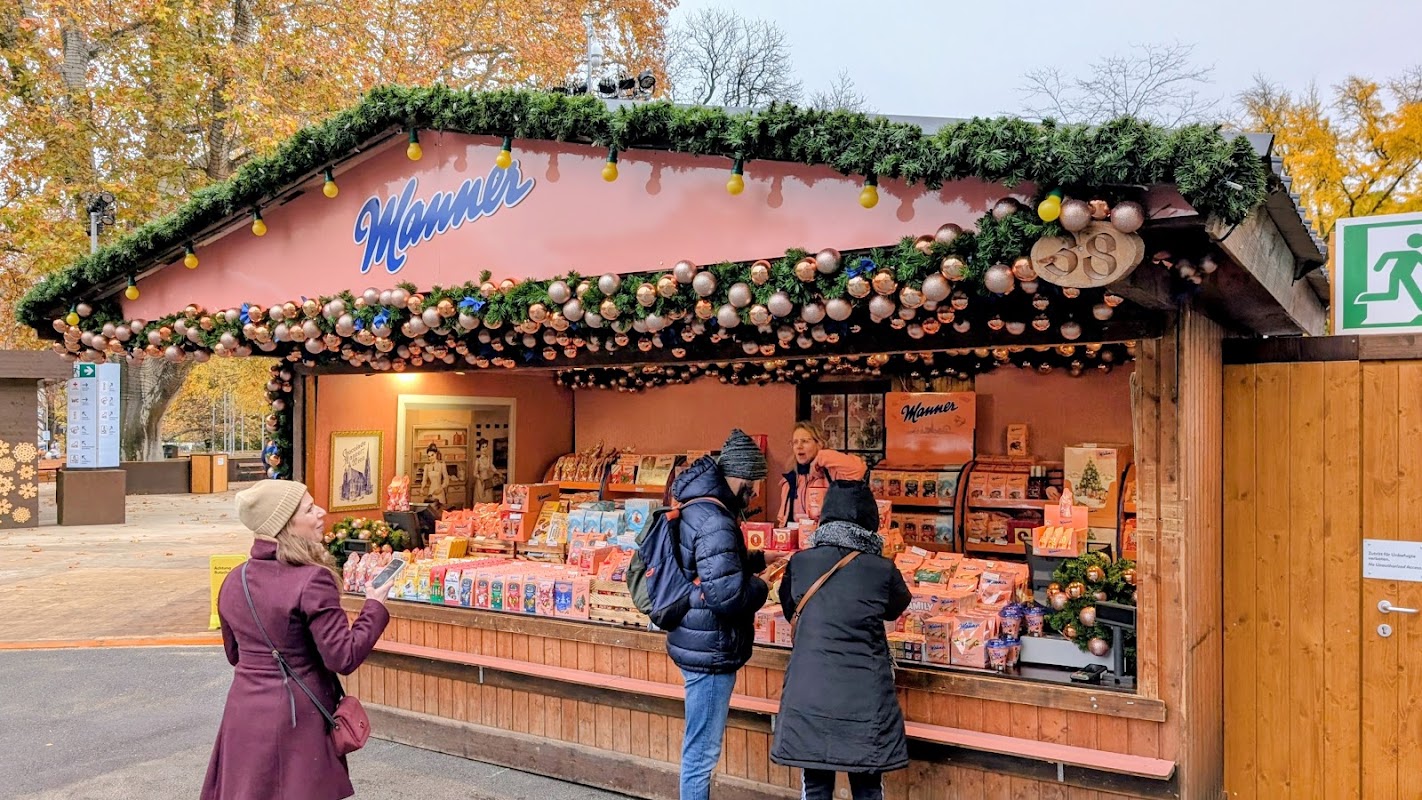
Start at the market in front of the Vienna City Hall — the Rathausplatz Christkindlmarkt, the city's largest and most storied Christmas market, held every Advent season in the square before the neo-Gothic Rathaus. Wooden stalls sell handmade ornaments and gifts, the trees along the square are strung with lights, and the Rathaus façade itself is lit for the season, which turns the whole plaza into a kind of open-air stage. Work your way slowly between stalls with a cup of Punsch in hand, and take the walk along the Ringstrasse afterward past the Burgtheater and the University of Vienna, both floodlit and grand after dark.

From there it's a short walk into the old city to Stephansdom, Vienna's Gothic cathedral and the anchor of the historic center, with its famous tiled roof and soaring spire. Circle it once, then let yourselves get pulled into the surrounding lanes — the Graben and Kohlmarkt are lined with lit shop windows in December, and the whole area feels built for aimless evening wandering, hand in hand, no particular destination required.

Rathausplatz Christkindlmarkt

Photo: F. Otto Graf

Café CentralBackup

Café Central

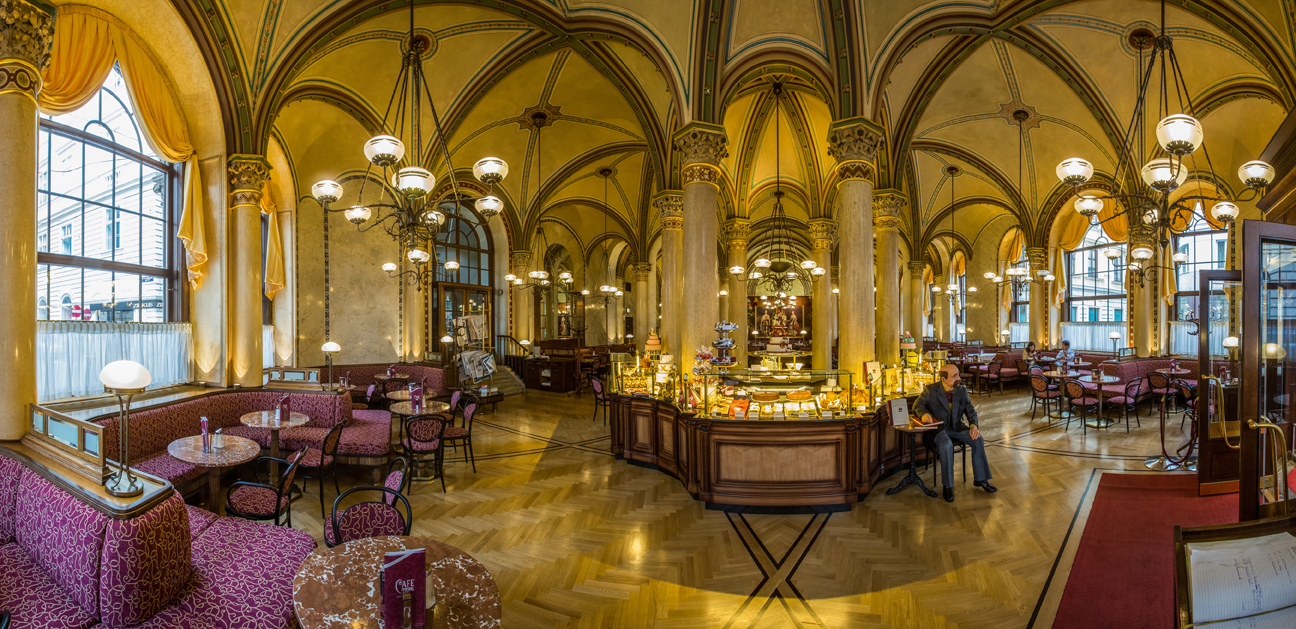
If the cold or the crowds get to be too much, retreat into Café Central on Herrengasse — one of Vienna's great historic coffeehouses, housed in a soaring vaulted former banking hall with marble columns and arched ceilings. It has been a meeting place for writers and thinkers since the late 19th century, and an hour here with a Melange and a slice of cake is as Viennese an experience as the markets themselves. It's warm, unhurried, and exactly the kind of room this city does better than anywhere else.

Café Central

Photo: Café Central

Eat & rest

For dinner, stay in the old city and look for a traditional Beisl — Vienna's version of the neighborhood bistro — for a plate of Wiener Schnitzel or Tafelspitz and a glass of Austrian wine. Afterward, if you still have energy, the streets around Stephansdom stay lit and lively well into the evening, and a last cup of Punsch on the walk back to your hotel is the right way to close the night.

Day 2

Schönbrunn and an afternoon of art

A note from Wonder

Schönbrunn is a short tram or metro ride from the center, roughly 20 minutes each way — build that into the day rather than treating it as a quick add-on. The Belvedere is a separate trip in the opposite direction, so pick one or the other rather than both in a single afternoon.

Schönbrunn PalaceAnchor

Schönbrunn Palace

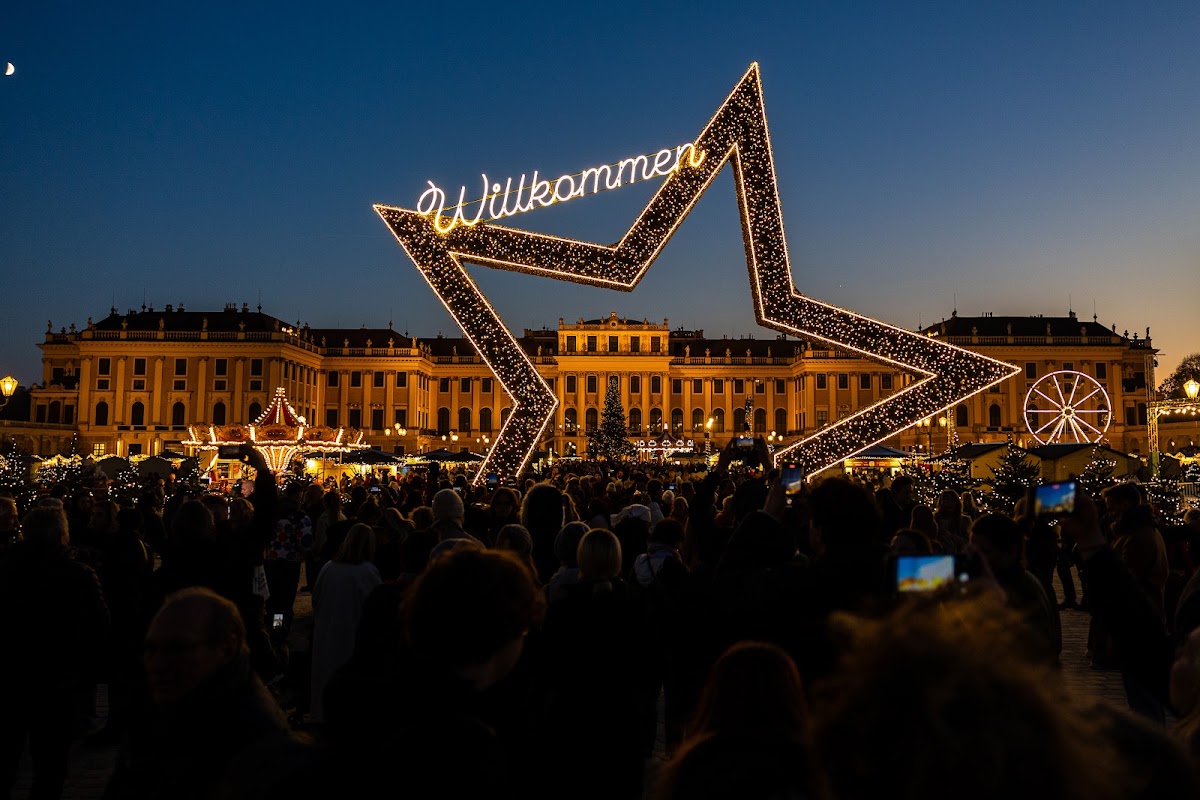
Schönbrunn, the Habsburgs' vast Baroque summer palace on the edge of the city, hosts its own Christmas market in the courtyard in front of the palace facade every Advent season — smaller and more elegant than the Rathausplatz market, with the golden-yellow palace as a backdrop and craft stalls focused on handmade decorations and local specialties. Walk the courtyard market, then decide together whether to add a tour of the palace's staterooms; either way, the gardens behind the palace are worth a slow winter walk, bare-treed and quiet, with the Gloriette monument visible on the hill above.

If you want the indoor version of Habsburg grandeur without the crowds of Schönbrunn's interior, the Belvedere — a pair of Baroque palaces a short trip back toward the center — holds one of the world's great collections of Gustav Klimt, including The Kiss, in rooms nearly as ornate as the art itself.

Schönbrunn Palace

Photo: Weihnachtsmarkt Schloss Schönbrunn

Kunsthistorisches MuseumBackup

Kunsthistorisches Museum

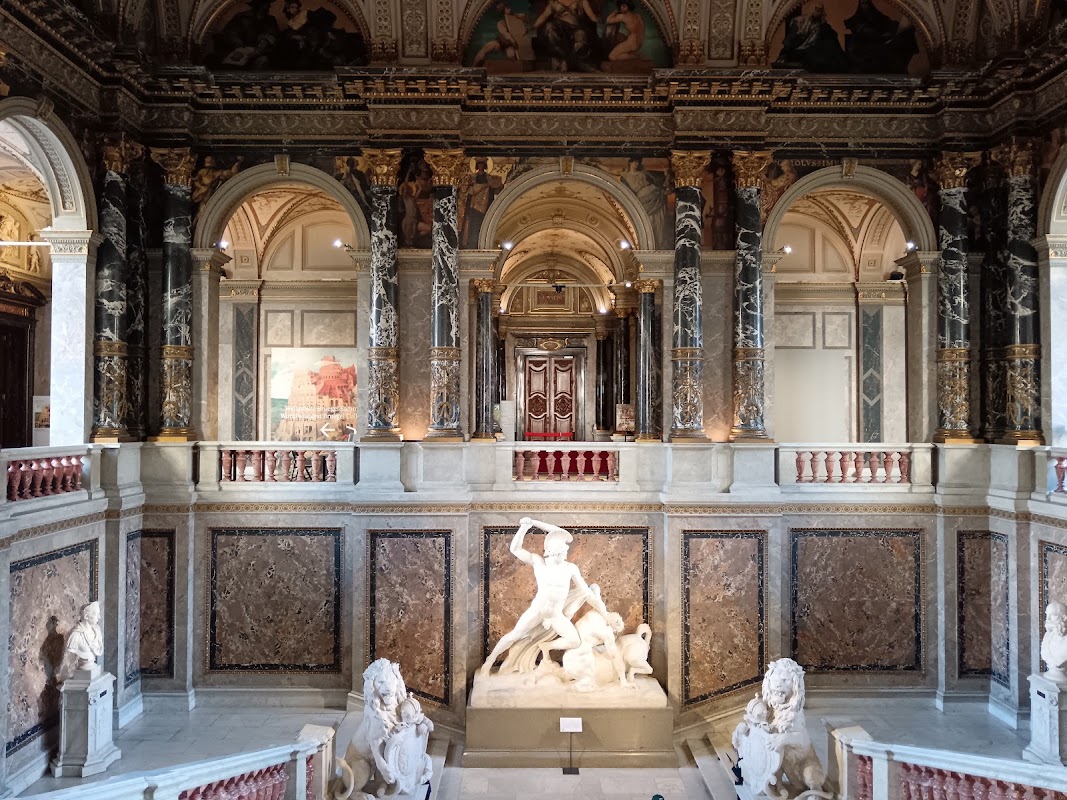
On a properly foul-weather day, spend the afternoon inside the Kunsthistorisches Museum, Vienna's grand art history museum near the Museumsquartier, with an encyclopedic collection spanning Egyptian antiquities to Bruegel and Vermeer, all under a lavishly decorated domed atrium that is itself worth the ticket. It's the kind of museum that rewards picking two or three galleries rather than trying to see everything, so you leave with energy left for the evening.

Kunsthistorisches Museum

Photo: Lorella De Lotto

Eat & rest

Head back toward the center for dinner in the Naschmarkt area — the market itself is a daytime institution, worth walking through before the stalls close, but the small restaurants and wine bars lining it carry on into the evening. It's a good spot for sharing plates and a glass of Austrian white wine before heading back out into the cold for a last look at lit shop windows.

Day 3

Spittelberg and a last Punsch

A note from Wonder

Spittelberg is a short walk from the Museumsquartier and the Naschmarkt, so this day stays compact and walkable. Spittelberg's lanes are narrow and can feel crowded on weekend evenings — arriving a little earlier in the evening beats the peak crush.

Spittelberg Christmas MarketAnchor

Spittelberg Christmas Market

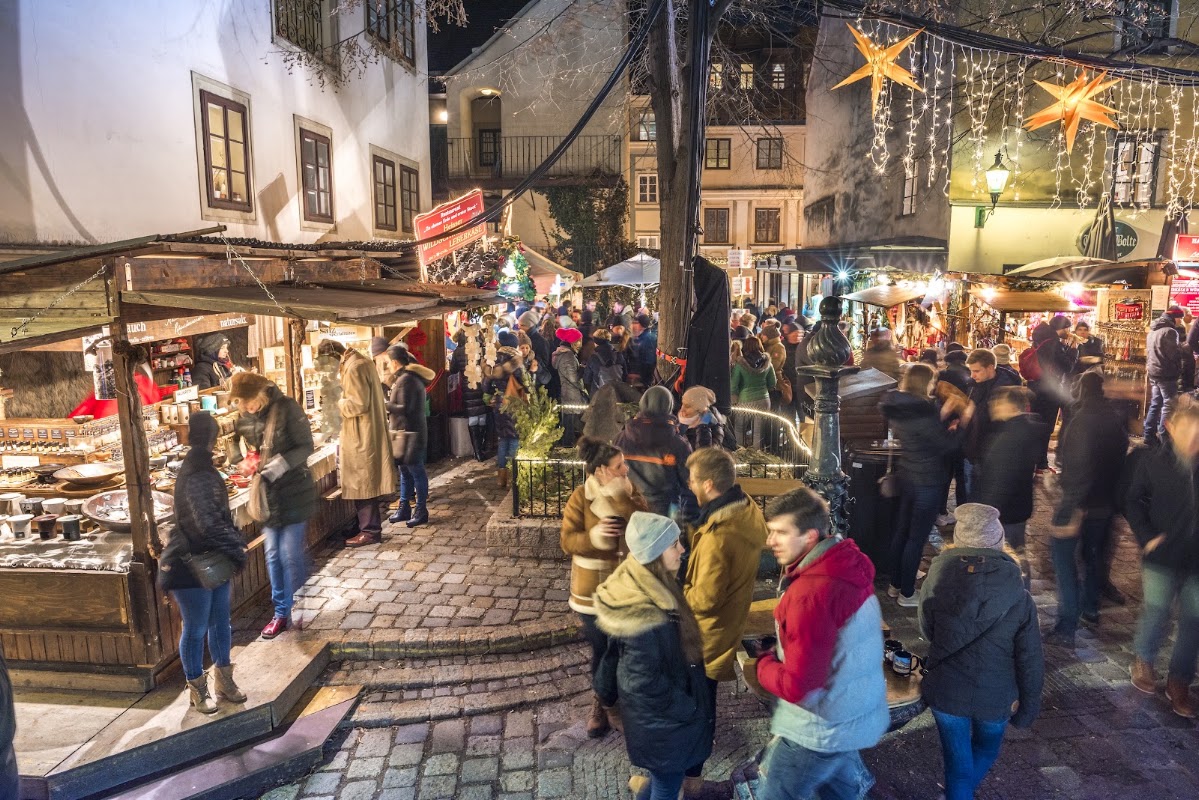
End the weekend at Spittelberg, a small historic quarter of cobbled lanes and restored Biedermeier townhouses that turns into one of Vienna's most charming Christmas markets each Advent season — smaller, quieter, and more crafts-focused than the big Rathausplatz market, with stalls tucked between the old façades rather than spread across an open square. It's the market to walk slowly, stopping at whichever stall catches your eye, and it feels distinctly more intimate than the crowds downtown.

Before or after, the Museumsquartier sits right next door, and on a clear afternoon it's worth a walk through — a striking mix of Baroque former royal stables and contemporary architecture, home to several major museums if you want one more indoor stop before you go.

Spittelberg Christmas Market

Photo: Weihnachtsmarkt am Spittelberg

AlbertinaBackup

Albertina

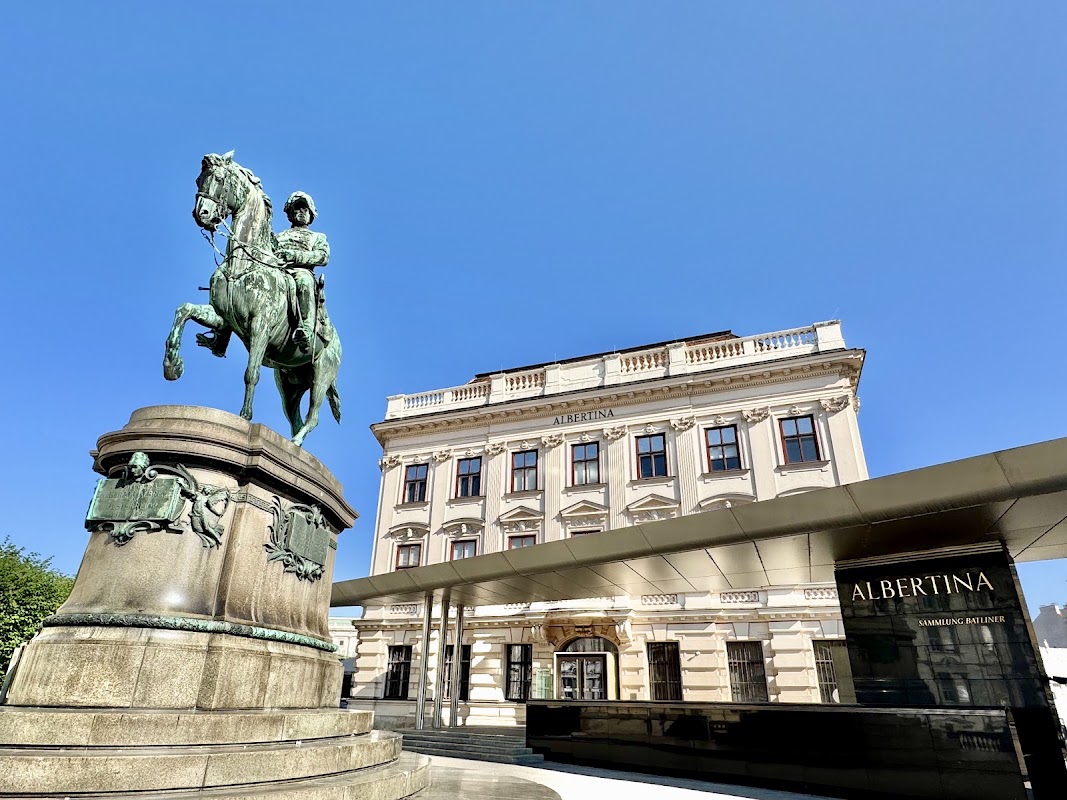
If the weather turns properly miserable, the Albertina — a former Habsburg palace right by the Opera House, now home to a major collection of prints, drawings, and modern art including Monet, Picasso, and Klimt — is an easy, unhurried indoor hour that ends the trip on a quiet note rather than a cold one.

Albertina

Photo: Roongko Doong

Eat & rest

For a last evening, find a proper Viennese Kaffeehaus for cake and coffee before dinner — Demel and Café Sacher are both famous for their tortes and worth the queue at least once — then close the weekend with a final glass of Punsch at whichever market stall is nearest your hotel. It's a small ritual, but it's the right note to leave Vienna on.

What to eat and drink at the markets

A short list of what to actually order while you wander:

  • Punsch — mulled wine or spiked punch, served hot in a souvenir mug at every stall; the mug deposit is refundable if you return it.
  • Maroni — roasted chestnuts from street carts, a Vienna winter staple since long before the markets existed.
  • Kartoffelpuffer — crisp potato pancakes, usually served with apple sauce, a good hand-warmer of a snack.
  • Lebkuchen — spiced gingerbread, often iced or hand-decorated, sold at nearly every stall as a market souvenir.

Staying warm

  • Layer for standing outdoors at market stalls for long stretches — the cold sets in while you browse, not while you walk.
  • Vienna's grand coffeehouses (Café Central, Demel, Café Sacher) are built for exactly this kind of weather — treat a long coffeehouse sit as part of the plan, not a fallback.
  • Trams and the U-Bahn run reliably through the cold months and are the easiest way to hop between the Rathausplatz, Schönbrunn, and Spittelberg without a long outdoor walk.

Make this Vienna plan yours

Tell WonderKit your dates and who's coming, and we'll rebuild this around your group in about a minute — everyone votes on the plan, and costs split automatically. One subscription, the whole group.

One of 46 ready-made WonderKit plans across 33 cities

No credit card · ready in about a minute

Keep exploring