WonderKit
Couples weekend · Amsterdam, Netherlands

A Valentine's weekend in Amsterdam

Amsterdam in mid-February is cold, often wet, and dark by about half past five — and it is quietly one of the best romantic weekends in Europe, precisely because of that. This is a city of small rooms with low ceilings and candles on the table, of canals that look better lit than they do in daylight, and of an entire café culture built around sitting still for three hours while it rains outside. You do not fight the season here. You plan around it.

So this weekend is built on the same principle as the rest of our Amsterdam plans — one anchor a day, an easy backup, unhurried evenings — but weighted heavily indoors, with the outdoor moments kept short, beautiful and timed to the blue hour. Expect temperatures around freezing to a few degrees above, wind off the water that makes it feel colder, and rain that arrives sideways. Expect also that the terraces are empty, the museums are at their calmest of the year, and you will have bridges to yourselves at seven in the evening that would be shoulder to shoulder in July.

Two pieces of practical honesty before you book. First: if your trip lands on the fourteenth itself, reserve dinner well ahead — the small, candlelit restaurants that make this city romantic are also tiny, and Valentine's night fills them weeks out. Second: dress for the wind, not the temperature. A proper coat, a hat, and waterproof shoes turn a miserable canal walk into the best twenty minutes of the trip.

3-day plan6 stopsCouples weekendAmsterdam
Planned by Wonder· built from real, checked placesReal places

Photo: Theo A

Jump to a day
Day 1

Canal light, flowers, and a brown café

A note from Wonder

Everything here sits within a 20-minute walk in the canal belt. Sunset in mid-February is around half past five, so front-load the shops and save the bridges for the hour after — the lights are on and the sky is still deep blue rather than black, which is when the canals photograph best. Cobbles get slick in the rain, so flat, gripped shoes, and remember the bridges are the safe place to stand: the red lanes belong to the bikes.

De Negen StraatjesAnchor

De Negen Straatjes

Use the daylight while it lasts. De Negen Straatjes — the Nine Streets — is the grid of small cross-streets stitching together the Herengracht, Keizersgracht and Prinsengracht in the 17th-century canal belt, a UNESCO World Heritage area, and in February it is a string of warm lit windows: small independent shops, bookshops, and a café roughly every time one of you admits to being cold.

Work your way south-east afterwards to the Bloemenmarkt, the floating flower market on the Singel — be warned that it trades more in bulbs and souvenirs than in cut flowers these days, but it is still the place to walk out with tulips in the middle of winter, which is a very Dutch thing to be able to do. Then time the last of the walk for dusk. The Reguliersgracht crossing at the Herengracht is the city's best free spectacle after dark: stand on the bridge and you look down a line of seven arched bridges, each outlined in lights, reflected in the water. It takes five minutes, costs nothing, and is the single most romantic thing in Amsterdam that does not require a reservation.

De Negen Straatjes

Photo: Prince

Pathé TuschinskiBackup

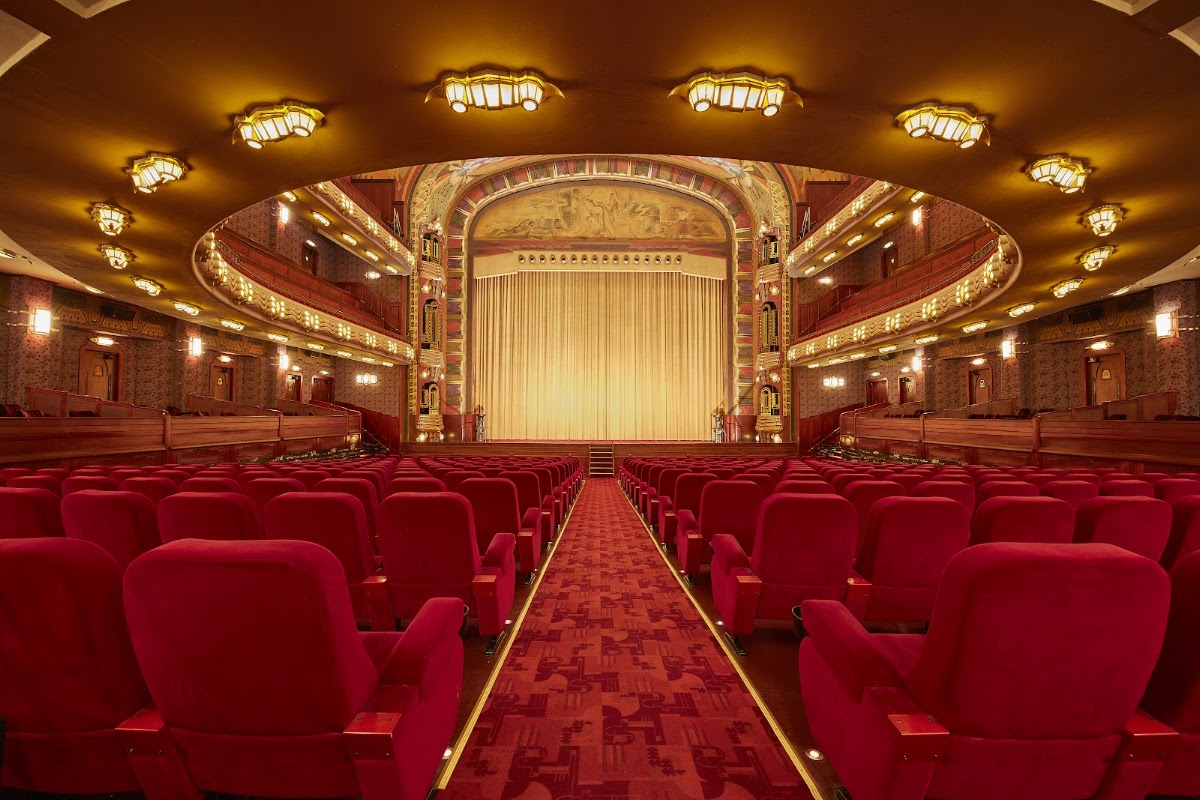
Pathé Tuschinski

If the rain has settled in for the evening, walk two minutes from the Reguliersgracht to the Tuschinski, the 1921 cinema on the Reguliersbreestraat that is an Art Deco fever dream inside — carpets, lamps, curved balconies, and a main auditorium that people photograph more than the film. Films screen in their original language with Dutch subtitles, so an English-language film stays in English. It is the warmest, prettiest way to spend a wet Amsterdam evening indoors.

Pathé Tuschinski

Photo: Koninklijk Theater Tuschinski | Pathé

Eat & rest

This is brown-café weather, and the brown café is Amsterdam's best romantic institution: dark wood, low light, small tables, no rush. Café 't Smalle on the Egelantiersgracht in the Jordaan has a tiny 18th-century interior that comes into its own once the canal-side terrace is out of the question. Café Papeneiland, at the corner of the Prinsengracht and the Brouwersgracht, has been pouring since the 1600s and is worth the walk for the view from the bridge outside. Nearer the Spui, Café Hoppe has been in business since 1670 and is the classic standing-room stop on the way to dinner. For something sweet and enormous, Winkel 43 on the Noordermarkt is city-famous for its Dutch apple pie — in February you can usually get a table inside without the summer queue.

Day 2

A great museum, and the warmest room in the city

A note from Wonder

The Rijksmuseum, the Van Gogh Museum and the Vondelpark are all within five minutes of each other around the Museumplein, an easy tram ride or a 25-minute walk from the centre; the Hortus is on the other side of town near Artis, about fifteen minutes by tram. Big coats and bags go in the cloakroom, so plan to shed layers on arrival. Dutch school holidays fall in February and briefly refill the museums — if your dates are flexible within the month, a normal working week is calmer.

RijksmuseumAnchor

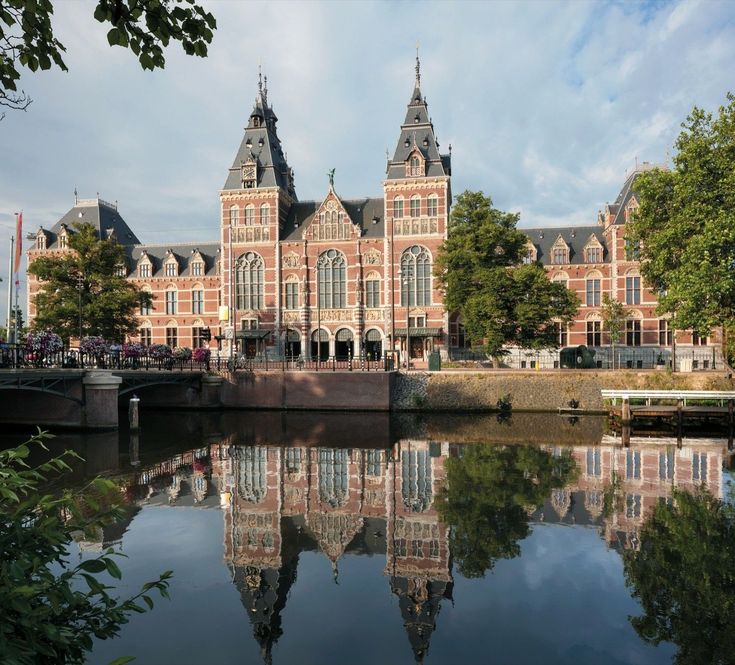
Rijksmuseum

February is the right month for the Rijksmuseum. The Dutch national museum on the Museumplein is the best indoor thing in Amsterdam in any season, but the version of it you get on a wet weekday out of season — where you can stand in front of a Vermeer for five minutes without being moved along — is a different experience from the summer crush. The 19th-century building is an event in itself, and the Gallery of Honour delivers the Dutch Golden Age in one long room: Vermeer's quiet interiors, Frans Hals, and Rembrandt's enormous Night Watch at the end of it.

The trick for a couple is to refuse to see it all. Pick the Gallery of Honour, one other wing that genuinely interests you — the delftware and dollhouses, the ship models, the Asian pavilion — and then stop, rather than grinding through eighty rooms in silence. Two well-spent hours beat four resentful ones. Book a timed ticket online before you go; even in winter, walk-up availability on a rainy weekend afternoon is unreliable, for the obvious reason that everyone else has had the same idea.

Rijksmuseum

Photo: Howa Machi ana

Hortus Botanicus AmsterdamBackup

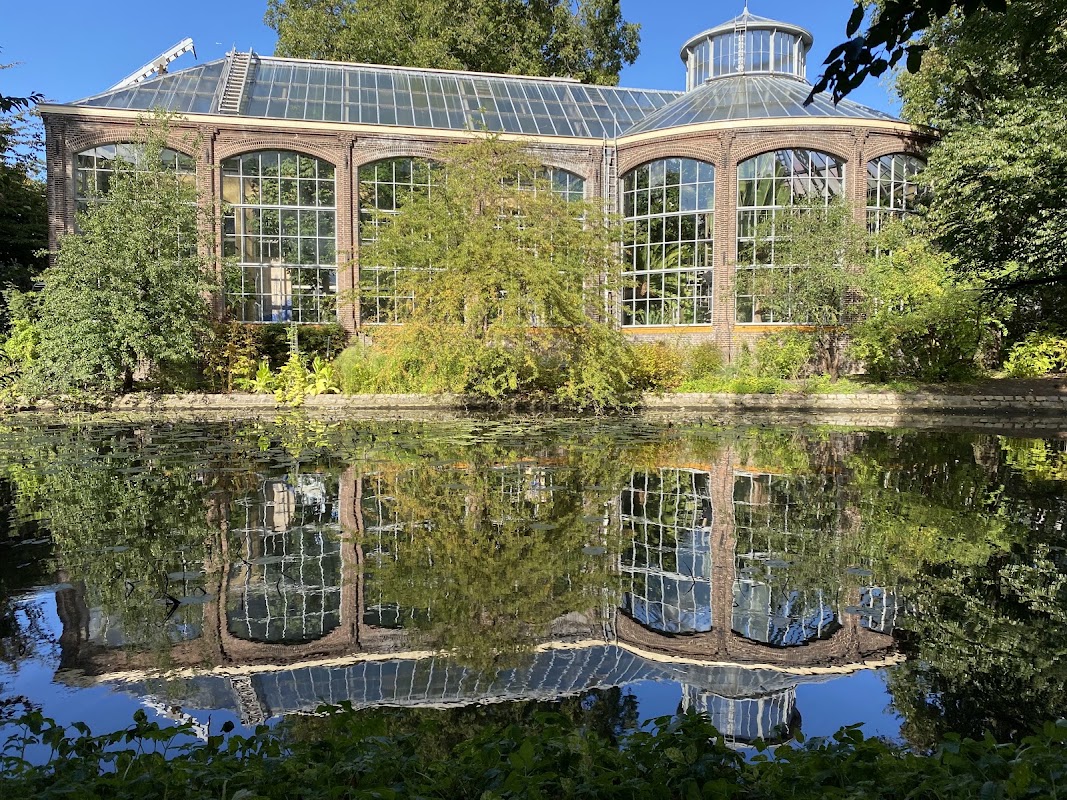
Hortus Botanicus Amsterdam

For a genuinely different February hour, go to the Hortus Botanicus on the Plantage Middenlaan — one of the oldest botanical gardens in the world, founded in the 17th century as a physic garden for the city's doctors and apothecaries. The outdoor beds are bare this time of year, but that is not why you go: the glasshouses are humid, green and about thirty degrees warmer than the street, and there is a butterfly house. Walking from a Dutch February into a room full of palms and butterflies is a small piece of theatre, and it is the best-value warm-up in the city.

Hortus Botanicus Amsterdam

Photo: Synomaji

Eat & rest

The Vondelpark, a couple of minutes west of the Museumplein, is bare and beautiful in winter and worth a lap if the rain holds off, but the honest February version of an afternoon here is indoors. De Hallen in Oud-West, a covered former tram depot with a food hall, a cinema and shops, absorbs a wet afternoon without a museum ticket. For dinner, head south-east into De Pijp, the liveliest eating neighbourhood in the city, where the streets around the Albert Cuyp Market are lined with small restaurants and wine bars; or take the calmer option on the Haarlemmerstraat and Haarlemmerdijk just north of the Jordaan, which have the same density of independent kitchens with more elbow room.

Day 3

An evening on the water

A note from Wonder

The Magere Brug is on the Amstel a short walk east of the canal belt, near Waterlooplein. Book the boat rather than joining a queue, and pick an after-dark departure — in February that means anything from about six. Ask whether the boat is covered when you book; open boats are lovely in June and a mistake in February. Bring a hat, and take the layer you think you will not need.

Magere BrugAnchor

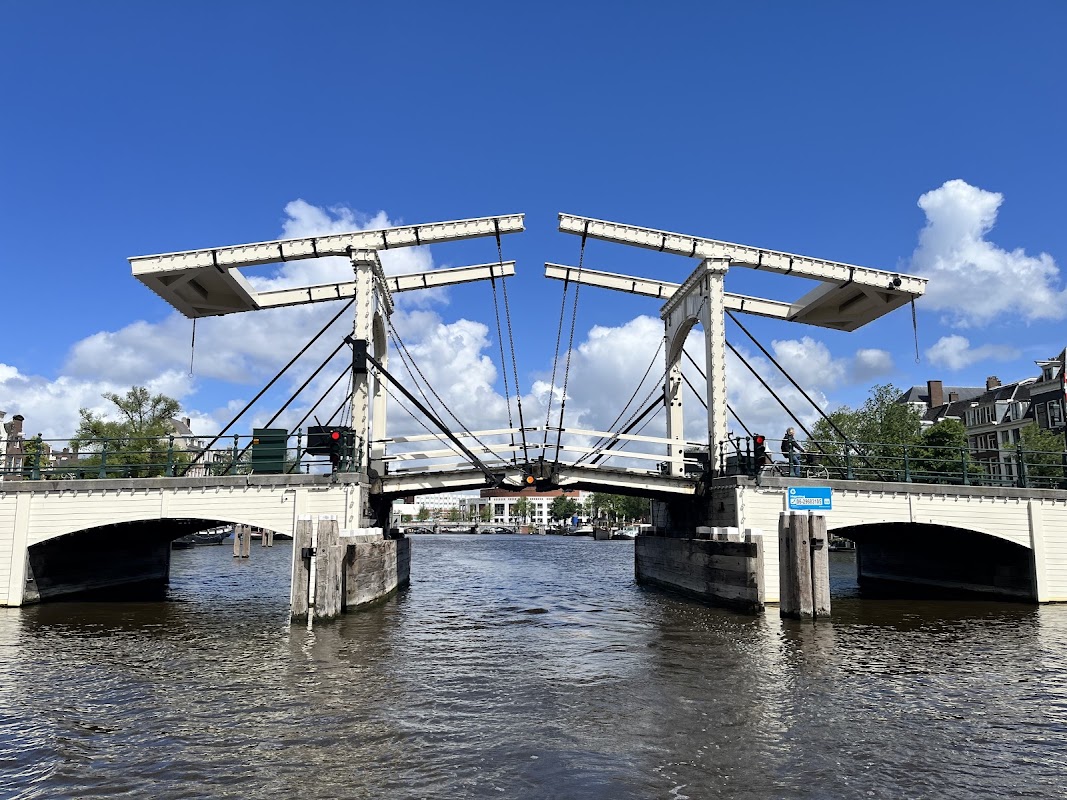
Magere Brug

Save the water for last. The Magere Brug — the Skinny Bridge — is the white wooden drawbridge over the Amstel that is outlined in small lights after dark, and it is the most reliably romantic five minutes in the city. In February you can be standing on it in the dark by six in the evening, which means you get the picture and still make dinner.

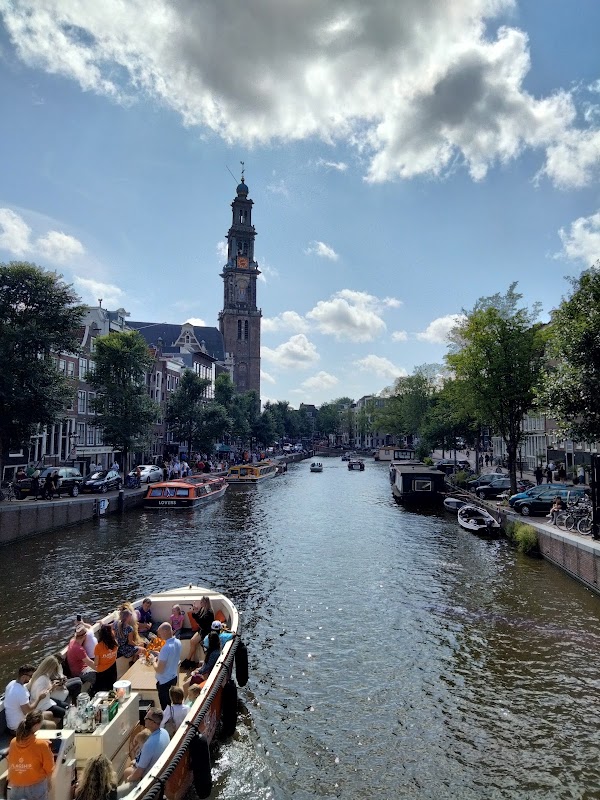
Then get on the canals rather than beside them. A winter evening cruise through the canal belt is the one bit of tourist infrastructure worth every euro here: the gabled houses are lit, the bridges are strung with lights, and the city rearranges itself into something slower seen from a metre above the water. Crucially, this is the rare outdoor thing that works in bad weather — most operators run glass-roofed, heated boats through the winter, so rain on the roof becomes part of the appeal rather than the end of the evening. Boats leave from docks around the centre and near the Anne Frank House end of the Prinsengracht; the smaller boats are far better for two, and worth booking ahead for an after-dark departure.

Magere Brug

Photo: Theo A

Museum Van LoonBackup

Museum Van Loon

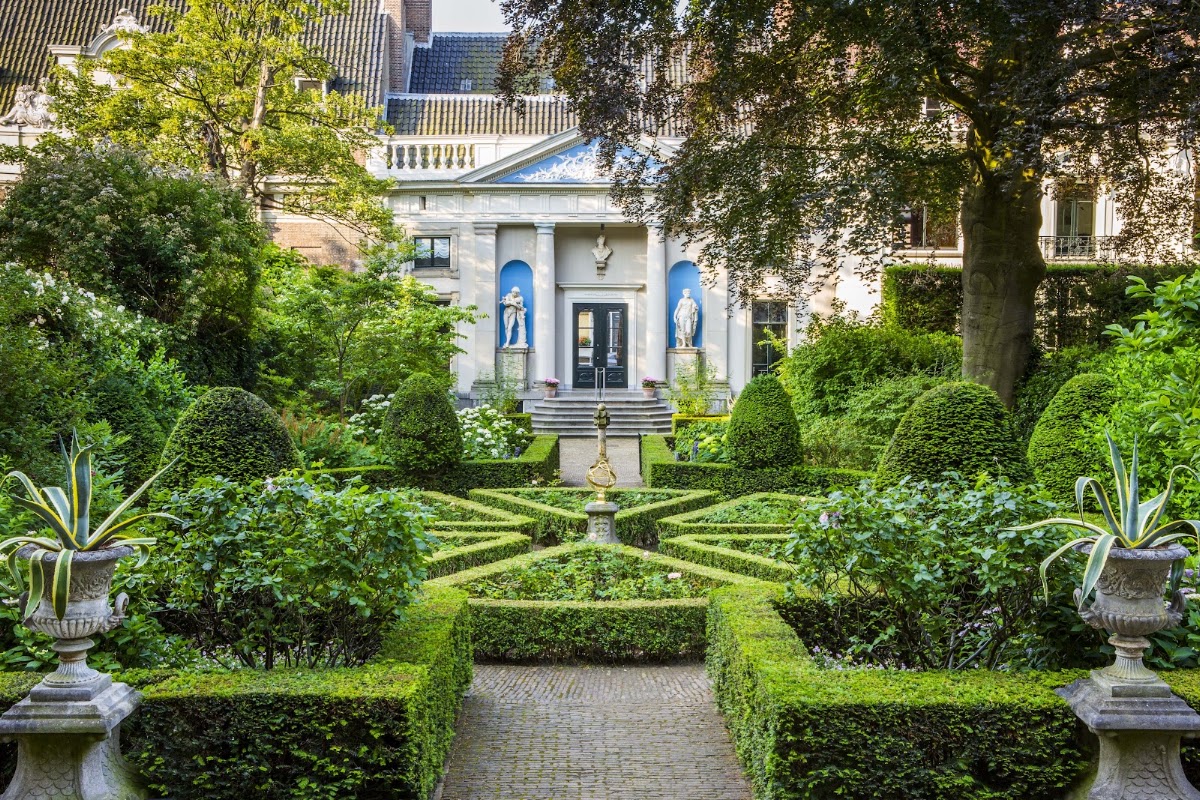
If the wind is genuinely unpleasant — and on the water in February it can be — go inside one of the houses you have been admiring from the outside instead. Museum Van Loon on the Keizersgracht is a preserved patrician canal house: family portraits, period rooms, a grand staircase, and a formal garden with a coach house behind it that nobody expects to find behind a canal facade. It is a small, unhurried hour, which is exactly the right size for a last afternoon.

Museum Van Loon

Photo: Museum Van Loon

Eat & rest

The blue-hour moment: the Amstel embankment between the Blauwbrug and the Magere Brug, in the twenty minutes after sunset, when the water still holds colour and the bridge lights are already on. In mid-February that window is roughly a quarter past five to six.

Eat and rest: make the last night unhurried and warm. The Jordaan is full of small kitchens and wine bars that will happily let you sit for three hours. For a proper local nightcap, Wynand Fockink is a genever tasting room behind the Dam that has been in business since 1679 — a narrow, wood-lined bar where the tradition is that the glass is filled to the brim and you take the first sip bent over it, without hands. It is silly, warming, and precisely the kind of thing you will still be laughing about on the flight home.

When the weather wins (indoor anchors, all genuinely good)

February in Amsterdam is cold, dark early, and frequently wet. That is not a problem to be solved so much as a reason the city is good at candlelit rooms — but keep these in your back pocket:

  • Rijksmuseum (Museumplein) — the national collection, the Night Watch, and the calmest month of the year to see them (book timed entry).
  • Van Gogh Museum (Museumplein) — the largest collection of his work anywhere, arranged as one chronological walk; strictly timed entry, book ahead.
  • Hortus Botanicus (Plantage Middenlaan) — 17th-century botanical garden whose humid glasshouses and butterfly house are the warmest hour in the city.
  • Pathé Tuschinski (Reguliersbreestraat) — a 1921 Art Deco picture palace; films screen in their original language with Dutch subtitles.
  • Museum Van Loon (Keizersgracht) — a preserved canal house and garden; small, quiet, and about an hour.
  • Rembrandt House Museum (Jodenbreestraat) — the house where Rembrandt lived and worked, reconstructed with his studio and printing press.
  • Café 't Smalle (Egelantiersgracht, Jordaan) — the tiny 18th-century interior is the whole point once the terrace is out of season.
  • De Hallen (Oud-West) — a covered former tram depot with a food hall, cinema and shops; a wet afternoon disposed of without a museum.

Where to eat and drink in the cold

  • Candlelit afternoon drink: Café 't Smalle (Egelantiersgracht, Jordaan) — low ceilings, low light, and no interest in turning your table.
  • Brown café with the best corner in the city: Café Papeneiland (Prinsengracht at the Brouwersgracht) — trading since the 1600s.
  • Classic old-centre stop: Café Hoppe (Spui) — in business since 1670; mostly standing, always busy, entirely the point.
  • Dutch apple pie: Winkel 43 (Noordermarkt, Jordaan) — city-famous appeltaart, and in February you can usually walk in.
  • Nightcap with a ritual attached: Wynand Fockink (behind the Dam) — a genever tasting room open since 1679; small, wood-lined, and standing-room.
  • Dinner neighbourhood: De Pijp, around the Albert Cuyp Market — the densest cluster of small restaurants and wine bars in Amsterdam.
  • Calmer dinner strip: Haarlemmerstraat and Haarlemmerdijk, just north of the Jordaan — independent kitchens and wine bars, fewer crowds.
  • Timing note: Valentine's night itself books out weeks ahead in a city where the best rooms hold thirty people. Reserve the dinner you care about before you fly and leave the cafés to chance.

Make this Amsterdam plan yours

Tell WonderKit your dates and who's coming, and we'll rebuild this around your group in about a minute — everyone votes on the plan, and costs split automatically. One subscription, the whole group.

One of 46 ready-made WonderKit plans across 33 cities

No credit card · ready in about a minute

Keep exploring