WonderKit
Couples weekend · Amsterdam, Netherlands

Proposing in Amsterdam: a weekend plan

Amsterdam is one of the easiest cities in Europe to propose in, for a reason that has nothing to do with romance and everything to do with geometry. The canal belt is a set of concentric semicircles crossed by small bridges, and a bridge at night — lit, quiet, with water on both sides and a view down a line of arches — is a stage that requires no booking, no budget and no permission. The whole city is full of them.

What it does require is a little planning, because the two things that ruin a canal proposal are both predictable: crowds and weather. A bridge that is empty at ten on a Tuesday evening is a scrum at eight on a Saturday. Rain arrives sideways off the water. And in winter it is dark by half past five, while in midsummer it is still light at ten — which changes everything about when you should be standing there.

So this is a three-day plan with one job. Day one you arrive and quietly scout, on foot, so that you have seen your spot with your own eyes at roughly the hour you intend to use it. Day two you do it. Day three is the day after, which people forget to plan and then remember for the rest of their lives. Every step has a version that works in the rain, because in Amsterdam that is not pessimism, it is arithmetic.

3-day plan6 stopsCouples weekendAmsterdam
Planned by Wonder· built from real, checked placesReal places

Photo: Celia Almaraz (The Lightbox Tales)

Jump to a day
Day 1

Arrive, and scout without looking like you are scouting

A note from Wonder

The three spots are all in or beside the canal belt, within a 30-minute walk end to end. Bridges are working infrastructure — cyclists come over them fast and in both directions, so stand at the railing on the pavement side, never in the red lane. If you are travelling with a ring, keep it in your carry-on rather than checked baggage, and on the night itself use a coat pocket that closes: you will be standing over open water.

ReguliersgrachtAnchor

Reguliersgracht

Give the first evening to a walk that looks like a romantic stroll and is in fact reconnaissance. Three places do most of the work in this city, and they are all within half an hour of each other on foot.

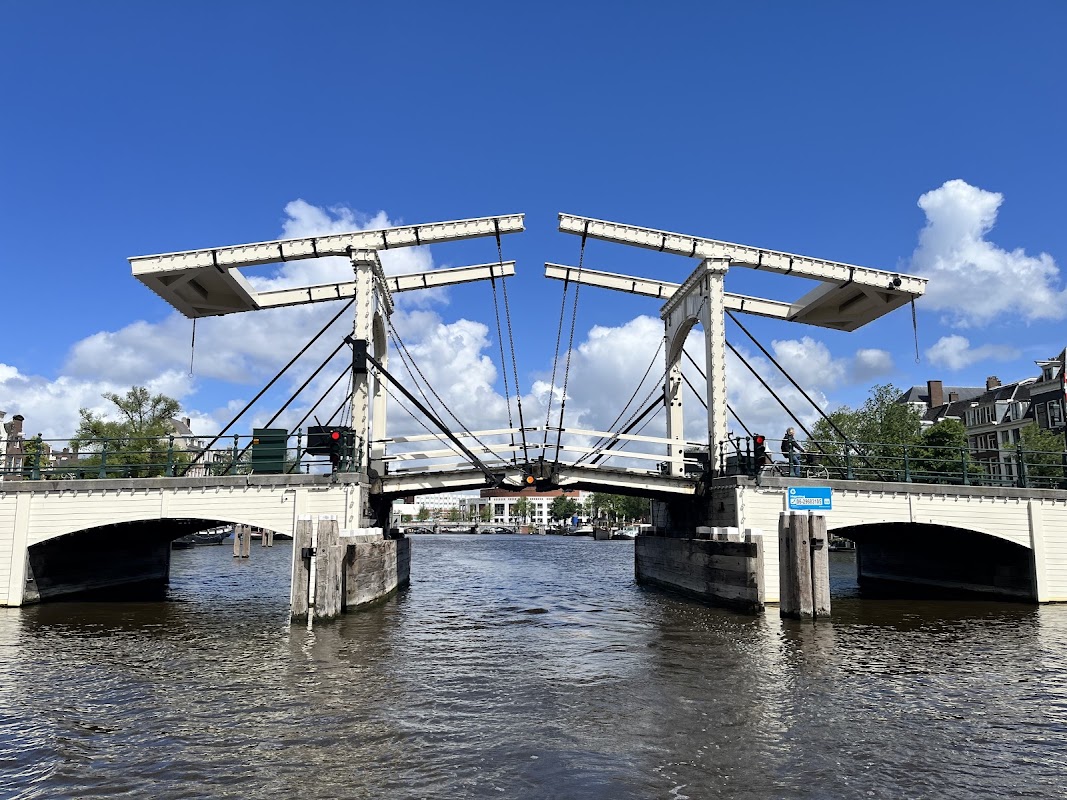
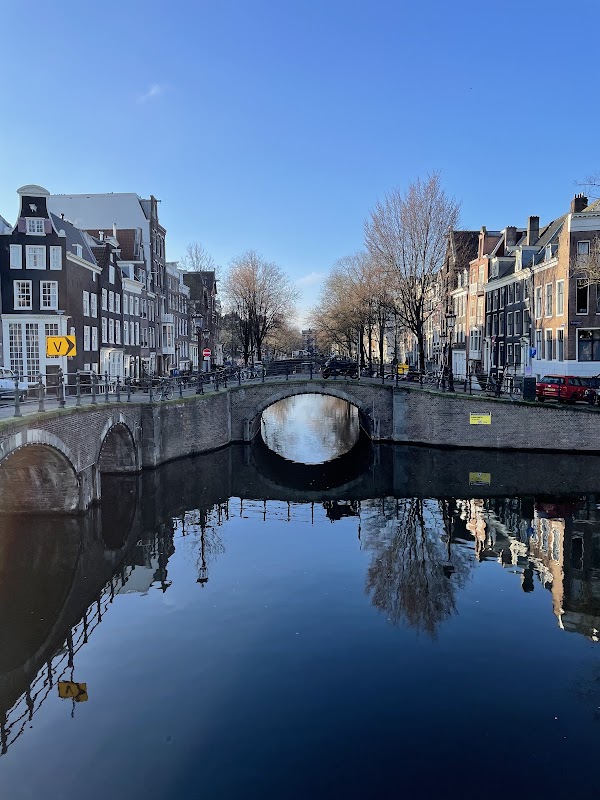
The first is the Reguliersgracht crossing at the Herengracht, where you look down a line of seven arched bridges, each outlined in lights and reflected in the water. It is the most spectacular free view in Amsterdam after dark and, because it is a photograph everyone takes, the most likely to have other people on it. The second is the Magere Brug, the white wooden drawbridge over the Amstel that is picked out in small lights at night — wider, calmer, with proper standing room away from the traffic lane. The third is the corner where the Brouwersgracht meets the Prinsengracht, beside Café Papeneiland, which is quieter than either and is regularly called the prettiest spot in the city by people who live here.

Walk all three at roughly the time of evening you are considering, and pay attention to the boring things: how many people are standing there, where the bikes come from, whether there is a bench, whether the wind is coming down the water. Then pick one and a fallback, and stop thinking about it.

Reguliersgracht

Photo: WJ NWS

Hortus Botanicus AmsterdamBackup

Hortus Botanicus Amsterdam

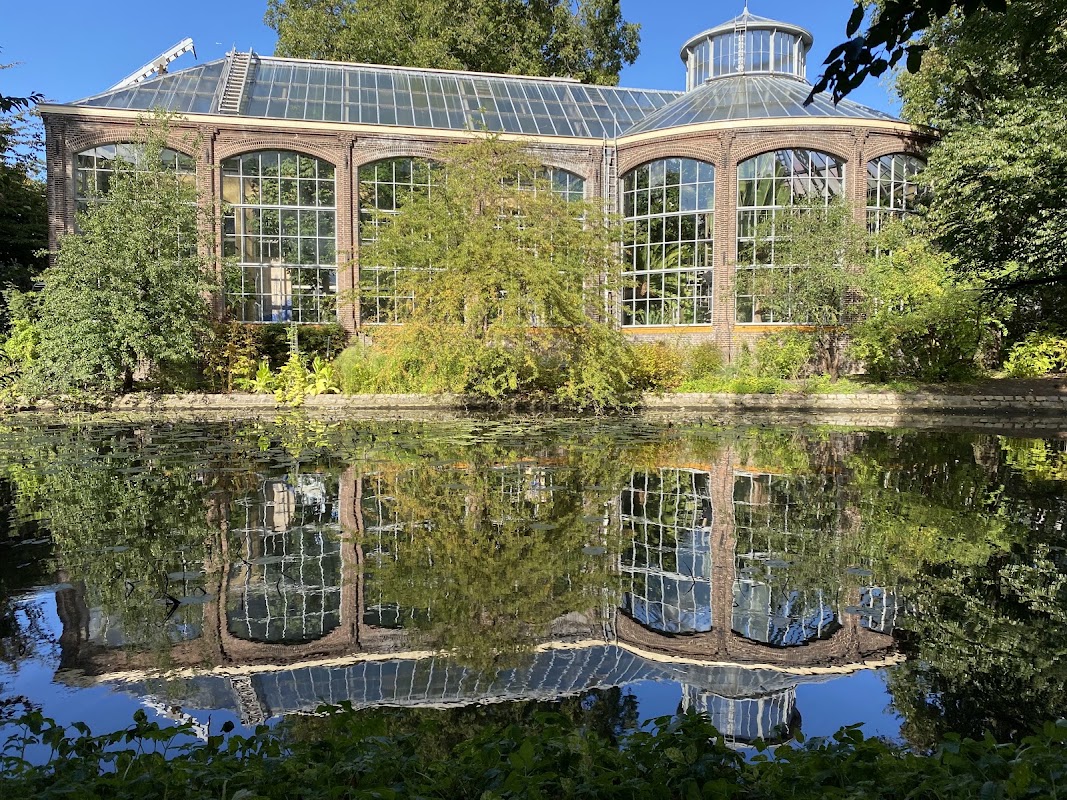
If the first evening is a washout, use it to test the indoor options rather than to get soaked. The Hortus Botanicus on the Plantage Middenlaan — one of the oldest botanical gardens in the world, founded in the 17th century — has warm, humid glasshouses and a butterfly house that make an extraordinary contrast with a Dutch downpour, and quiet corners that no bridge can offer. Go in daylight, walk the palm house, and decide whether it is a place you could imagine kneeling in.

Hortus Botanicus Amsterdam

Photo: Synomaji

Eat & rest

Keep the first night deliberately low-key so the second one lands. The Jordaan, immediately west of the canal belt, is full of small kitchens and brown cafés that will let you sit for hours: Café 't Smalle on the Egelantiersgracht for the tiny 18th-century interior, Café Papeneiland on the corner you have just scouted, Café Hoppe near the Spui for a standing beer on the way somewhere. Eat somewhere unremarkable and good, and resist the urge to make tonight the night just because the light happens to be nice.

Day 2

The day you do it

A note from Wonder

Logistics and timing: look up sunset for your dates and treat the following thirty minutes as the window. Weekday evenings are dramatically quieter than Friday and Saturday on every bridge in this plan. If you want photographs, the honest options are a discreet photographer briefed to stand at a distance, the boat skipper, or a stranger asked thirty seconds beforehand — all three work, and all three are better than a phone propped on a railing over a canal. Amsterdam weather changes within the hour, so keep both the bridge plan and the covered plan alive until the evening itself.

Magere BrugAnchor

Magere Brug

There are two good versions of an Amsterdam proposal, and the choice between them is really a choice about how much privacy you want.

The first is a bridge at the blue hour: the twenty or thirty minutes after sunset, when the lamps and bridge lights are already on but the sky still holds deep colour. That window is around half past five in winter and closer to ten in midsummer, so check the sunset time for your actual dates and work backwards. Aim for a weekday if you possibly can, arrive fifteen minutes early to see who else is there, and have the fallback bridge in mind so that a coach party does not derail the evening. The Magere Brug has the most room to stand without being in anybody's way; the Reguliersgracht view is the more dramatic photograph; the Brouwersgracht corner is the most likely to be yours alone.

The second version is a boat, and it is the answer if the idea of strangers in the background is unbearable, or if the forecast is bad. Small private charters run all year from docks around the centre — an hour or two with a skipper, a handful of seats, and a route through the lit canal belt — and the good ones are covered and heated in winter, which makes this the one romantic outdoor plan in Amsterdam that a rainstorm cannot cancel. You get complete privacy, a moving backdrop of gabled houses, and a skipper who has almost certainly seen this before and will look the other way at the right moment. Book it a few weeks ahead and tell them what it is for when you do.

Magere Brug

Photo: Theo A

A'DAM LookoutBackup

A'DAM Lookout

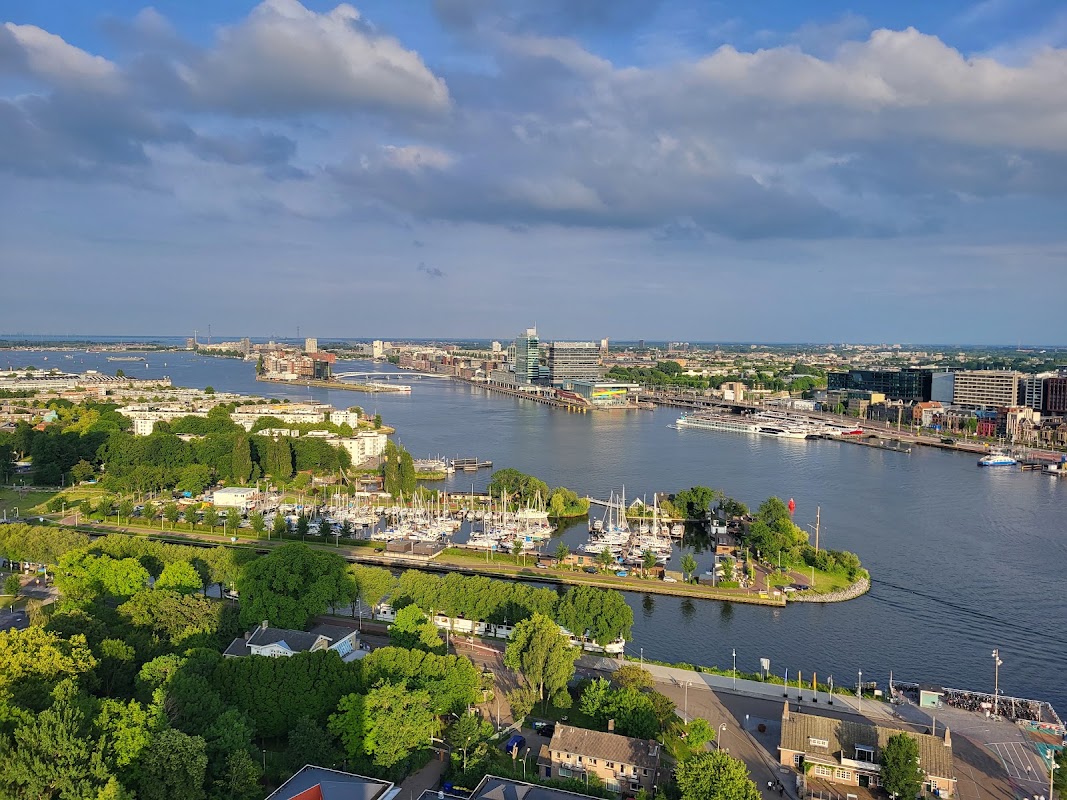
Some Amsterdam evenings are not romantic-drizzle, they are horizontal rain and a gale, and no bridge survives that. The indoor answer with a view is A'DAM Lookout, the observation deck on top of the tower directly across the IJ from Centraal Station, reached by a short passenger ferry that runs constantly from behind the station. There is an enclosed deck with the whole city laid out below it, so you get the wide view, the lights and the drama, with a roof on. Go up in the evening, find the western windows, and let the weather be somebody else's problem.

A'DAM Lookout

Photo: Cestovatel

Eat & rest

Book dinner for afterwards, not before — you will not enjoy a tasting menu with a ring in your pocket. Reserve somewhere small in the Jordaan or on the Haarlemmerdijk, tell the restaurant quietly when you book that you may be celebrating, and let them decide whether that means champagne on arrival or simply the corner table. If you would rather not commit to a restaurant, the brown cafés stay open late and a genever at Wynand Fockink, the tasting room behind the Dam that has been in business since 1679, is a very good way to end a night that has gone the way you hoped.

Day 3

The day after

A note from Wonder

Everything here is within the canal belt and the Jordaan, all flat and walkable. If you are flying home this day, note that the Brouwersgracht is a fifteen-minute walk from Centraal Station, which makes it an easy last stop with luggage in a locker. And do one small practical thing before you leave: back up the photographs somewhere other than the phone they are on.

BrouwersgrachtAnchor

Brouwersgracht

Plan the day after, because nobody does and it is the day you will actually talk to each other. Start slowly and locally: Winkel 43 on the Noordermarkt in the Jordaan is city-famous for its Dutch apple pie and is exactly the right kind of unceremonious, or any brown café will give you coffee and a table by a window for as long as you want it.

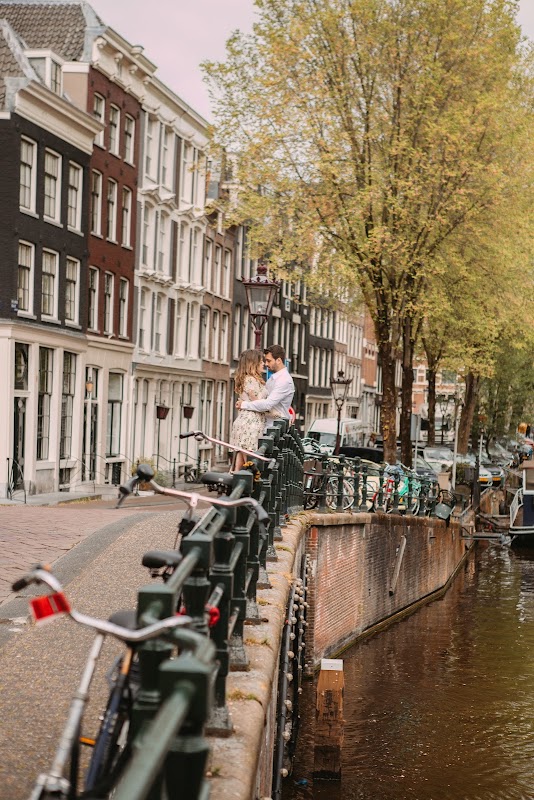
Then walk the Brouwersgracht in daylight — the broad canal along the northern edge of the Jordaan, lined with converted warehouses and houseboats, and the prettiest ordinary street in Amsterdam. This is where you take the photographs you will actually send to people: daylight, no crowd, the ring visible, the two of you looking like you have slept. From there it is ten minutes to the Bloemenmarkt on the Singel for flowers, or twenty to the Amstel if you want to see last night's bridge with the lights off.

Leave the afternoon deliberately empty. The phone calls take longer than you think, everyone wants the story twice, and the point of the day is that you are not somewhere you have to be.

Brouwersgracht

Photo: Celia Almaraz (The Lightbox Tales)

Museum Van LoonBackup

Museum Van Loon

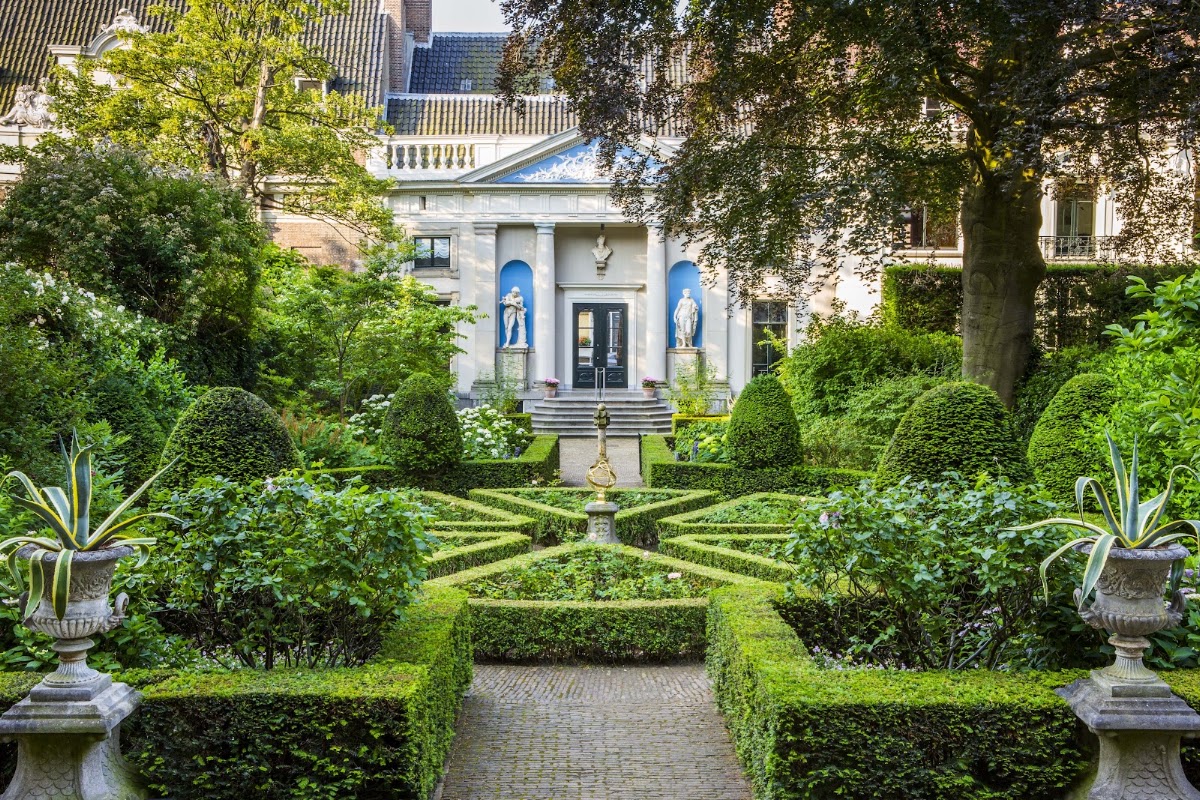
If the weather has turned again, go inside one of the houses you have been admiring from the outside. Museum Van Loon on the Keizersgracht is a preserved patrician canal house — family portraits, period rooms, a grand staircase, and a formal garden with a coach house behind it that nobody expects to find back there. It is a quiet hour, it is warm, and it is the right scale for a morning when neither of you wants to be organised.

Museum Van Loon

Photo: Museum Van Loon

Eat & rest

For a celebratory meal that does not require a month's notice, De Pijp — the neighbourhood around the Albert Cuyp Market — has the densest run of small restaurants and wine bars in the city, and the Haarlemmerstraat and Haarlemmerdijk just north of the Jordaan are the calmer version of the same idea. If it is pouring, De Hallen in Oud-West is a covered former tram depot with a food hall and a cinema, and it will absorb an afternoon without anyone getting wet.

The spots, with their trade-offs

Five places that work, ranked by nothing except how they differ. Walk at least two of them before you choose:

  • Reguliersgracht at the Herengracht — the seven-bridges view, lit and reflected after dark. The most dramatic photograph in the city, and therefore the most likely to have an audience. Best on a weekday, best in the first half-hour after sunset.
  • Magere Brug (the Skinny Bridge, over the Amstel) — a white wooden drawbridge outlined in lights, with genuine standing room away from the traffic lane. Calmer than the Reguliersgracht, more exposed to wind off the Amstel.
  • Brouwersgracht at the Prinsengracht, by Café Papeneiland — the quietest of the three, a working residential corner rather than a viewpoint, and the one most likely to be empty. Warm café ten steps away when it is done.
  • A small private boat through the canal belt — total privacy, a moving backdrop of lit gabled houses, and covered and heated in winter. The only fully weatherproof outdoor option; book a few weeks ahead and tell the operator what it is for.
  • Hortus Botanicus glasshouses (Plantage Middenlaan) — a 17th-century botanical garden whose humid palm house and butterfly house are startlingly warm and quiet on a weekday morning. The indoor, daytime, no-crowd answer.
  • A note on the Begijnhof: the medieval courtyard off the Spui is beautiful and peaceful, and it is also somebody's home. Visit it, by all means — but a proposal there means an audience of residents who did not ask for one.

If it rains (plan for it, not against it)

Amsterdam gets rain in every month of the year and wind off the water that makes it worse. None of these needs the sky to cooperate:

  • A covered, heated private boat — the same canal-belt route, the same lit houses, with a roof. This is the single best rainy-night substitute for a bridge.
  • A'DAM Lookout (across the IJ, a short ferry from behind Centraal) — an enclosed observation deck with the whole city below; drama without weather.
  • Hortus Botanicus (Plantage Middenlaan) — humid glasshouses and a butterfly house; the warmest and quietest room in Amsterdam on a grey day.
  • Museum Van Loon (Keizersgracht) — a preserved canal house with period rooms and a garden behind; small, hushed, and rarely busy.
  • Pathé Tuschinski (Reguliersbreestraat) — a 1921 Art Deco picture palace, extravagant enough to be an occasion in itself; films screen in their original language.
  • Café 't Smalle (Egelantiersgracht) — if all else fails, a candlelit 18th-century room and a table by the window is a perfectly good place to change your life.

Practical notes nobody tells you

  • Keep the ring in your carry-on, never checked baggage, and on the night use a coat pocket that zips or buttons. You will be standing over open water on a windy bridge.
  • Weekday evenings are quieter than weekends on every bridge in this city, by a wide margin. Shifting the night from Saturday to Tuesday does more for privacy than any other decision here.
  • Check sunset for your actual dates: the blue hour is around half past five in midwinter and close to ten in midsummer, and it drives the whole schedule.
  • Bridges belong to cyclists. Stand at the railing on the pedestrian side, keep bags in front of you, and do not back into the red lane for a better angle.
  • If you want photographs, brief someone in advance — a photographer at a distance, or the boat skipper. Cobbles, low light and canal railings are an unkind combination for a propped-up phone.
  • Tell the restaurant when you book, not on arrival. A small Amsterdam dining room can do something lovely with an hour of notice and nothing at all with none.
  • Leave the following morning empty. Every couple who has done this says the same thing: the calls take hours, and the day after is the part they would not trade.

Make this Amsterdam plan yours

Tell WonderKit your dates and who's coming, and we'll rebuild this around your group in about a minute — everyone votes on the plan, and costs split automatically. One subscription, the whole group.

One of 46 ready-made WonderKit plans across 33 cities

No credit card · ready in about a minute

Keep exploring