WonderKit
Couples weekend · Paris, France

A Valentine's weekend in Paris

Paris in mid-February is grey, cold and dark by early evening, and it is still the best short romantic trip in Europe — as long as you plan the version of Paris that works in February rather than the one from the postcards. That means the covered passages instead of the boulevards, stained glass and small museums instead of long garden walks, hot chocolate instead of terrace rosé, and dinner booked rather than stumbled upon.

The honest forecast: a few degrees above freezing, frequent drizzle rather than downpours, and sunset around a quarter past six, which sounds bleak and is actually a gift — the city's lights come on while you are still out in it, and the Seine and the tower do their best work in the dark. The compensations are real: the queues are the shortest of the year, the museums are calm, and the restaurants that are impossible in June will take a Thursday booking in February.

The plan below keeps the structure we use for every Paris weekend — one anchor a day, an easy backup, long evenings — but every anchor has a roof, and every outdoor moment is short, timed to the blue hour, and worth putting a coat on for. One piece of scheduling advice: if your dates include the fourteenth itself, book both dinners the week you book the flights. Small Paris dining rooms fill for Valentine's earlier than almost anything else in the calendar.

3-day plan6 stopsCouples weekendParis
Planned by Wonder· built from real, checked placesReal places

Photo: Sampoi. kz

Jump to a day
Day 1

Glass roofs, arcades, and a hot chocolate

A note from Wonder

Galerie Vivienne, the Palais-Royal, the Passage des Panoramas and the Passage Jouffroy are strung along about twenty-five minutes of walking in the 1st and 2nd arrondissements. The passages are privately owned galleries, not streets — they close in the evening and some close on Sundays, so this is a daylight plan. Sunset is around a quarter past six in mid-February, which makes a late-afternoon start into an early dinner the natural shape of the day.

Galerie VivienneAnchor

Galerie Vivienne

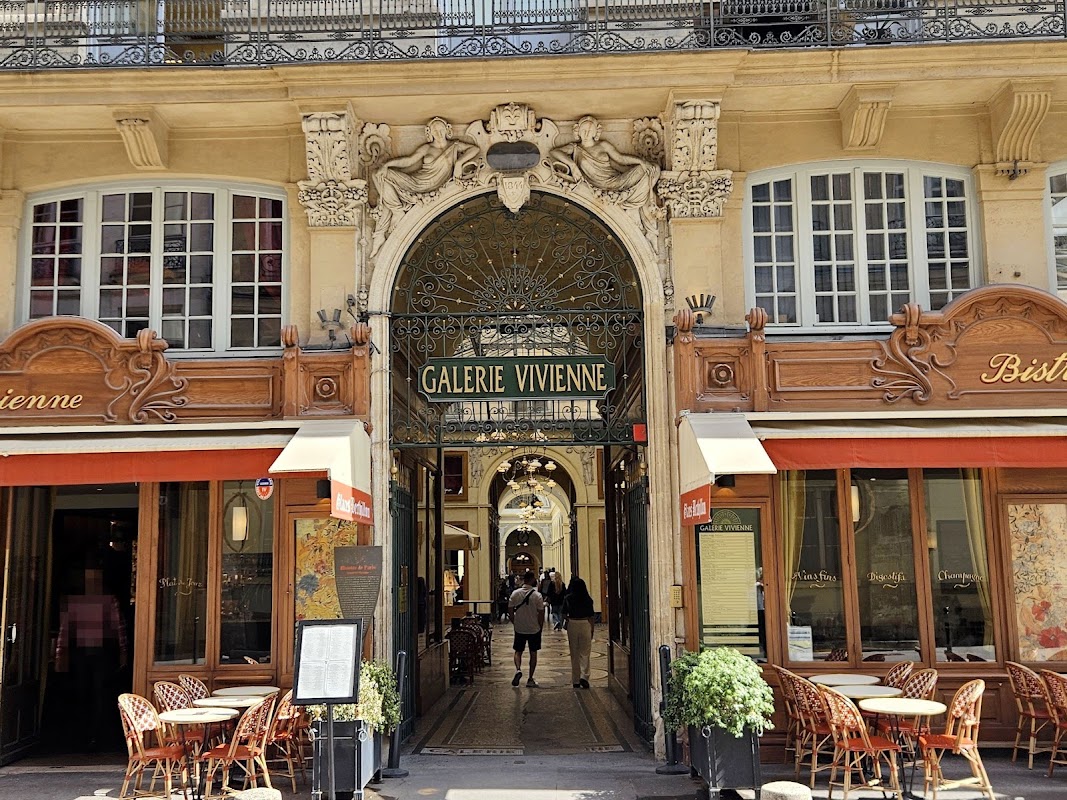
Paris built its answer to a wet winter two hundred years ago. The passages couverts are 19th-century shopping arcades roofed in glass and iron, tiled underfoot, lined with small shops, old bookdealers and tea rooms — and they are the single most underrated romantic hour in the city, because almost nobody plans a day around them.

Start with Galerie Vivienne, near the Palais-Royal: opened in the 1820s, with a mosaic floor, a rotunda, and the most elegant glass roof of the lot. Walk north from there and you can chain several more together in an afternoon — the Passage des Panoramas, one of the oldest in the city and now a dense little run of stamp dealers and small restaurants, and the Passage Jouffroy and Passage Verdeau across the boulevard from it, which lead you almost to the door of dinner. In between, cut through the Palais-Royal itself: the garden is bare in February, but the arcades around it are covered, the courtyard's striped Buren columns are photogenic in any weather, and the whole enclosure is startlingly quiet for something a minute from the Louvre.

Galerie Vivienne

Photo: Quang Vu Nguyen

Petit PalaisBackup

Petit Palais

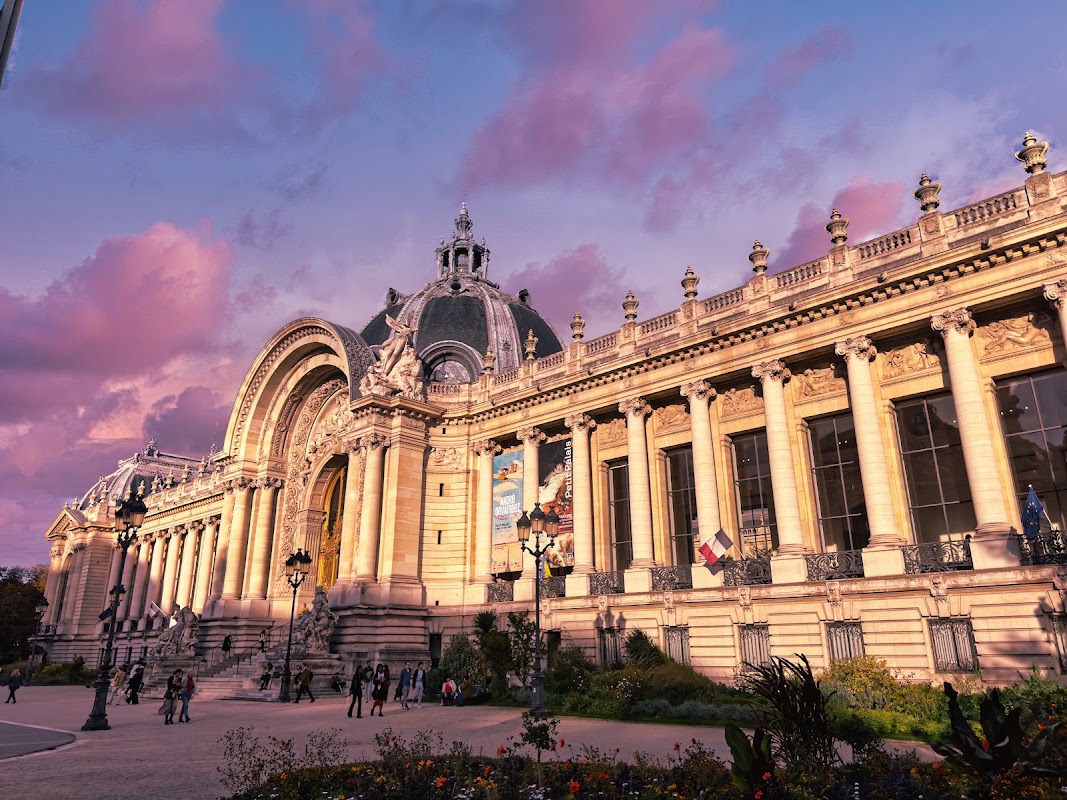
If you want a roof and a bench rather than a roof and shops, the Petit Palais — built for the 1900 World's Fair, just off the Champs-Élysées at the foot of the Pont Alexandre III — is the answer. Its permanent collection is free to enter, the building is a Beaux-Arts showpiece of mosaic and ironwork, and at its heart is a semicircular interior garden ringed by a colonnade with a café in it. It is warm, uncrowded, and one of the very few places in central Paris where you can sit in a garden in February.

Petit Palais

Photo: Dominique RIFFLART

Eat & rest

Two February institutions are within reach of this walk. Angelina, on the rue de Rivoli by the Tuileries, has been serving its famously thick hot chocolate since 1903 in a Belle Époque tea room — order one between two of you and a pastry each, and expect a queue at weekends. And at the far end of the passages, Bouillon Chartier on the Grands Boulevards is a vast, mirrored 19th-century dining room serving classic French dishes fast and cheap, with no reservations and a line that moves; it is not a quiet romantic dinner, it is a memorable one.

Day 2

Stained glass, water lilies, and the tower after dark

A note from Wonder

Sainte-Chapelle is strictly timed-entry with online tickets and a security screening — book the earliest slot you will realistically make. Île Saint-Louis is a ten-minute walk east. Trocadéro and Bir-Hakeim are on the other side of town, so treat the tower as an evening leg with a Métro ride attached rather than something you walk to. It is windy and exposed on both — this is the coat-and-hat part of the trip.

Sainte-ChapelleAnchor

Sainte-Chapelle

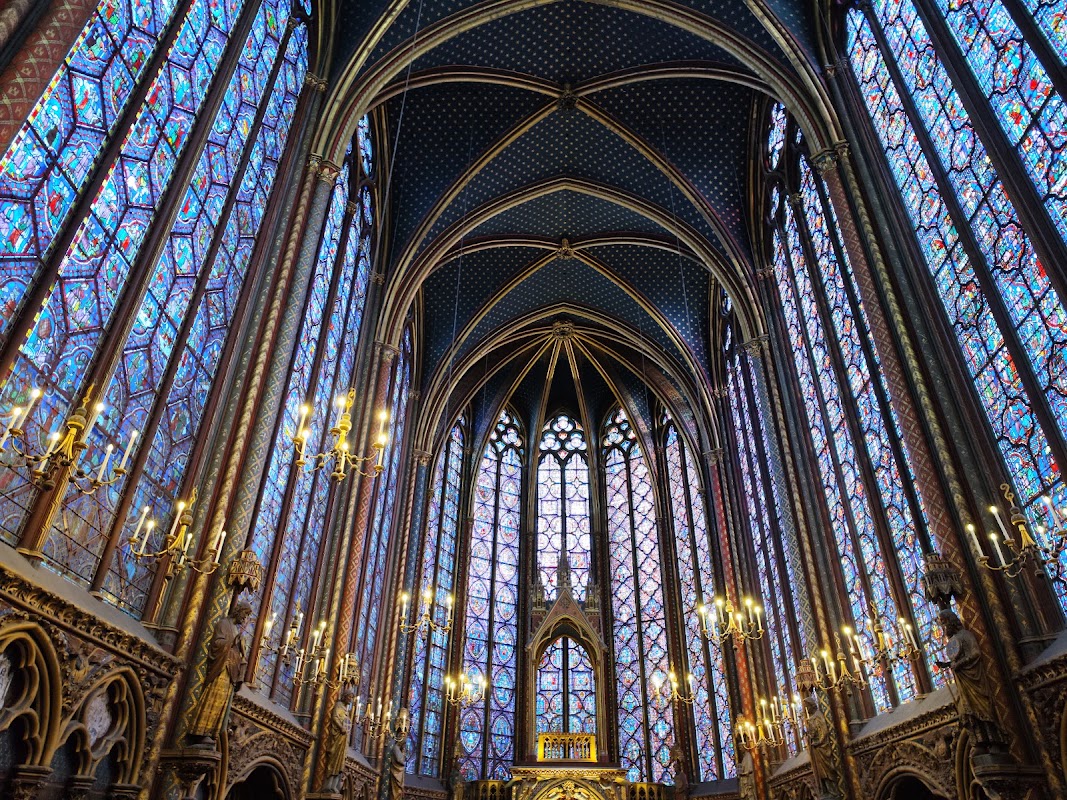
Give the morning to Sainte-Chapelle, the 13th-century royal chapel on the Île de la Cité whose upper level is walled almost entirely in stained glass — fifteen towering windows and a rose, telling the whole biblical narrative in coloured light. You climb a cramped spiral stair from a low, dim ground floor and come out into it, which is a piece of medieval stagecraft that still works.

A February note in its favour: this is one of the few sights that a grey day does not spoil. Flat, overcast light comes through every window evenly rather than blazing through one side, and the chapel is small enough to warm up quickly once it fills. Go at opening if you can; it is inside the working law-courts complex, so there is a security queue, and standing in it is much better at nine in the morning than at two in the afternoon. Afterwards, walk east across the Île de la Cité to Île Saint-Louis, the small stone-lined island behind Notre-Dame, whose single main lane and tree-lined quays are made for a slow cold walk with a coffee.

Sainte-Chapelle

Photo: Julian Grijalba

Musée de l'OrangerieBackup

Musée de l'Orangerie

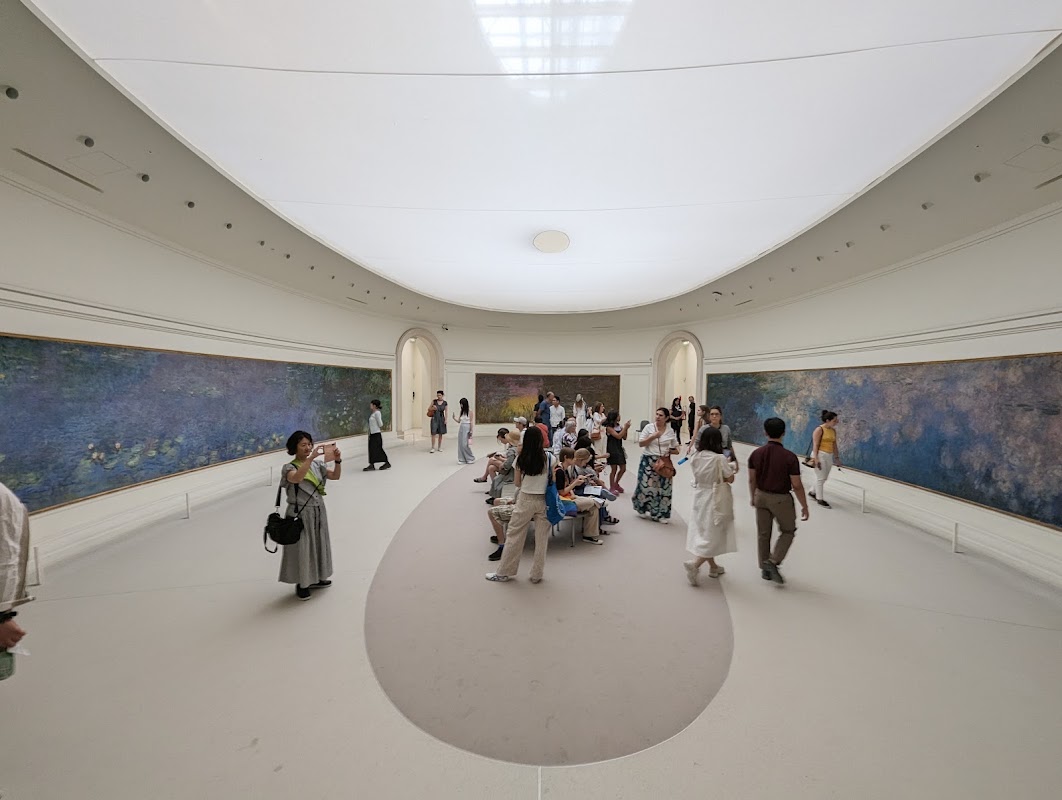
If the queue or the cold defeats you, cross to the Tuileries and take Musée de l'Orangerie instead: two oval rooms in which Monet's Water Lilies wrap right around you under diffused natural light. It is small, hushed, warm, and over in under an hour — which is exactly what you want from an indoor swap on a day that has already gone wrong outside. There is a lower floor of Cézanne, Renoir and Modigliani if you want to make it longer.

Musée de l'Orangerie

Photo: William Cheng

Eat & rest

The evening moment: after dark, the Eiffel Tower sparkles for a few minutes at the top of every hour, and the best free places to be standing when it does are the Trocadéro terrace across the river, where the whole tower is framed head-on, or the Pont de Bir-Hakeim, whose iron colonnade gives you the tower on the diagonal with fewer people around it. In February that show starts before seven, so it slots in neatly before dinner rather than after it.

For the meal itself, cross to the 11th. Clamato is the no-reservations seafood bar from the Septime team — pristine raw fish, oysters, and a serious natural-wine list — and its sibling Septime La Cave nearby is a tiny natural-wine bar for a glass and small plates while you wait. Both are walk-in, informal, and about as good as a two-person dinner in Paris gets without a month's notice.

Day 3

Montmartre, a wall, and a last dusk

A note from Wonder

The wall is beside Abbesses Métro; the basilica is a steep ten minutes above it, or one short ride on the funicular if legs are done. The lanes are cobbled and genuinely steep in places, and they are slippery when wet — flat shoes with grip. Sacré-Cœur's steps get busy at sunset even in winter; arrive twenty minutes early for a good spot on the terrace, and bring something to sit on if the stone is damp.

Le Mur des Je t'aimeAnchor

Le Mur des Je t'aime

Spend the last afternoon on the hill. Start low, in the Square Jehan Rictus by the Abbesses Métro, at Le Mur des Je t'aime — a wall of dark enamelled tiles on which the words I love you are written more than three hundred times, in over two hundred and fifty languages. It is small, it takes ten minutes, and it is unashamedly the most on-the-nose Valentine's stop in Paris; go anyway, find the two languages that mean something to you, and take the photograph.

Then climb. The lanes behind the basilica are the village Montmartre — narrow streets, small squares, vines and shuttered houses, long views opening between buildings — and they are at their best out of season, when the crowds thin to the people who live there. Finish on the steps below Sacré-Cœur, which face west across the whole city and are the most democratic sunset in Paris: free, enormous, and full of people who have all had the same idea. In mid-February the light goes at around a quarter past six, so you can watch the city switch on and still be at dinner by eight.

Le Mur des Je t'aime

Photo: Hyundai Matrix

Musée de la Vie RomantiqueBackup

Musée de la Vie Romantique

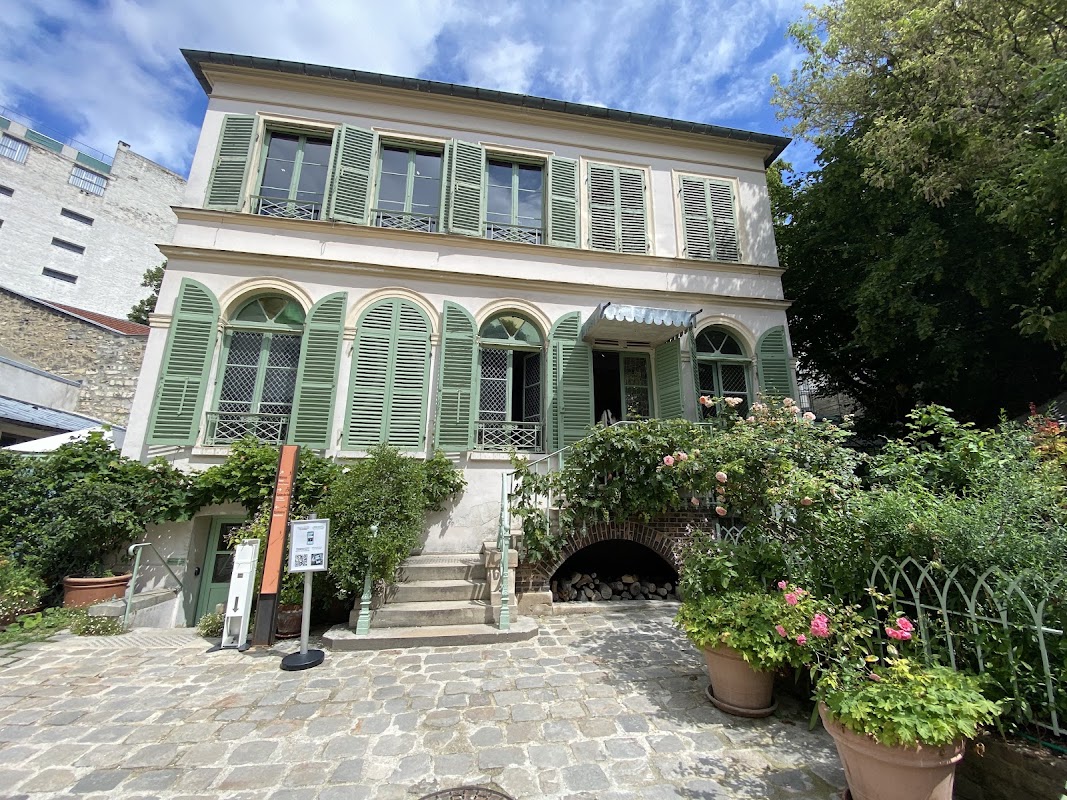
At the foot of the hill in the 9th, down a private lane off the rue Chaptal, the Musée de la Vie Romantique occupies the house of the painter Ary Scheffer, where George Sand, Chopin, Delacroix and Liszt were regular guests. It is a green-shuttered villa with two studios and a courtyard, free to enter for the permanent collection, and almost nobody knows it is there. On a wet last afternoon it is a far better hour than a wet climb up to the basilica.

Musée de la Vie Romantique

Photo: patricia staub

Eat & rest

Montmartre is thick with bistros, and on a cold night the right move is the smallest, steamiest room you can find with a window that has fogged up. If you would rather have one properly grand meal to end on, Bouillon Chartier or a classic Left Bank brasserie will give you white tablecloths and old waiters without a tasting menu. Either way, walk the last stretch — Paris after ten in February is empty, lit, and entirely yours.

Cold, grey or pouring: indoor anchors worth the trip

February in Paris is drizzle, short days and a wind off the river. These are the places that reward exactly that weather:

  • Sainte-Chapelle (Île de la Cité) — stained glass on every wall; flat overcast light lets every window glow evenly. Timed entry, book ahead.
  • Musée de l'Orangerie (Tuileries) — Monet's Water Lilies in two hushed oval rooms; small, warm, contemplative, under an hour.
  • Galerie Vivienne, Passage des Panoramas and Passage Jouffroy (1st, 2nd, 9th) — glass-roofed 19th-century arcades; a dry walk with shops and tea rooms attached.
  • Petit Palais (8th) — free permanent collection, a Beaux-Arts interior, and a colonnaded indoor garden with a café.
  • Musée de la Vie Romantique (9th) — the painter Ary Scheffer's house, where Chopin and George Sand visited; quiet, free permanent collection, and hidden down a lane.
  • Musée Rodin (7th) — when the sculpture garden is bare and wet, the mansion rooms hold the headline works, dry and uncrowded.
  • Opéra Garnier (9th) — the 19th-century opera house is worth seeing for the grand staircase and the auditorium ceiling alone; daytime visits run when there is no rehearsal.

Where to eat and drink in February

  • Hot chocolate: Angelina (rue de Rivoli) — thick enough to stand a spoon in, served in a Belle Époque tea room since 1903. Share one.
  • Two-person dinner: Clamato (11th) — no-reservations seafood and natural wine; its sibling Septime La Cave is the wine bar to wait in.
  • Grand old room, no reservation: Bouillon Chartier (Grands Boulevards) — a mirrored 19th-century dining hall, classic dishes, a line that moves.
  • Barrel wine and no pretension: Le Baron Rouge (near Bastille) — standing room, wine straight from the barrel, oysters shucked out front through the cold months.
  • Market lunch under a roof: Marché des Enfants Rouges (Marais) — the oldest covered market in Paris; pick different stalls and share.
  • Bookshop detour: Shakespeare and Company (5th) — the English-language bookshop opposite the Île de la Cité; a warm half-hour and a better souvenir than anything on the Champs-Élysées.
  • Timing note: Valentine's night fills small Paris dining rooms weeks ahead, and many of the best rooms close Sunday and Monday. Book the two dinners you care about before you fly.

Make this Paris plan yours

Tell WonderKit your dates and who's coming, and we'll rebuild this around your group in about a minute — everyone votes on the plan, and costs split automatically. One subscription, the whole group.

One of 46 ready-made WonderKit plans across 33 cities

No credit card · ready in about a minute

Keep exploring