WonderKit
Couples weekend · Honolulu, HI

3-Day Honolulu Weekend for Couples

The mistake people make in Honolulu is treating it like a checklist. Oʻahu will happily eat a week of driving, snorkelling and lookouts, and you will come home tired. A long weekend for two works far better as three unhurried days with one anchor each — an early hike, one beach on the other side of the island, and one afternoon of the city's actual history — with the evenings kept for the thing this place does better than anywhere: sunset, music, and no particular hurry.

A seasonal honesty note: it is warm here all year, and there is no bad month. Roughly November through March is the wetter, greener season, with brief passing showers rather than washouts and bigger surf on the north and east shores; the drier months bring calmer water and hotter afternoons. Either way the sun is stronger than it feels in the trade winds — this itinerary front-loads mornings on purpose.

Waikīkī is genuinely walkable and you can do Day 1 and Day 3 without a car. Day 2 crosses the island, so you'll want a car or a rideshare for that one.

3-day plan6 stopsCouples weekendHonolulu
Planned by Wonder· built from real, checked placesReal places

Photo: David Cain

Jump to a day
Day 1

A Diamond Head morning and a Waikīkī sunset

A note from Wonder

The Diamond Head trailhead is inside the crater, about ten minutes by car or rideshare from Waikīkī; reserve entry (and parking, if you're driving) online in advance. Go at opening. Take water and a hat — there is almost no shade on the way up — and wear real shoes, not sandals. Allow an hour and a half round trip at a gentle pace.

Diamond Head State MonumentAnchor

Diamond Head State Monument

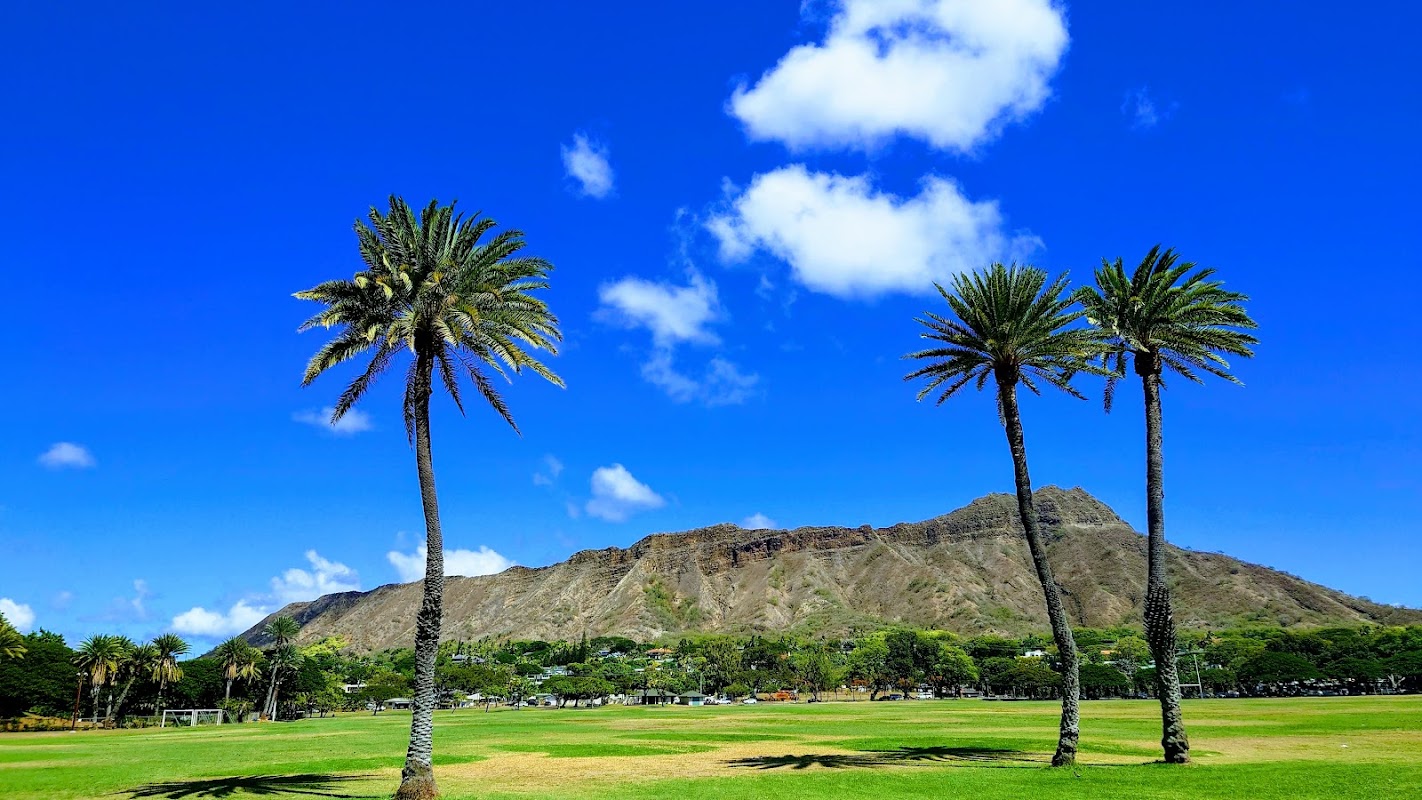
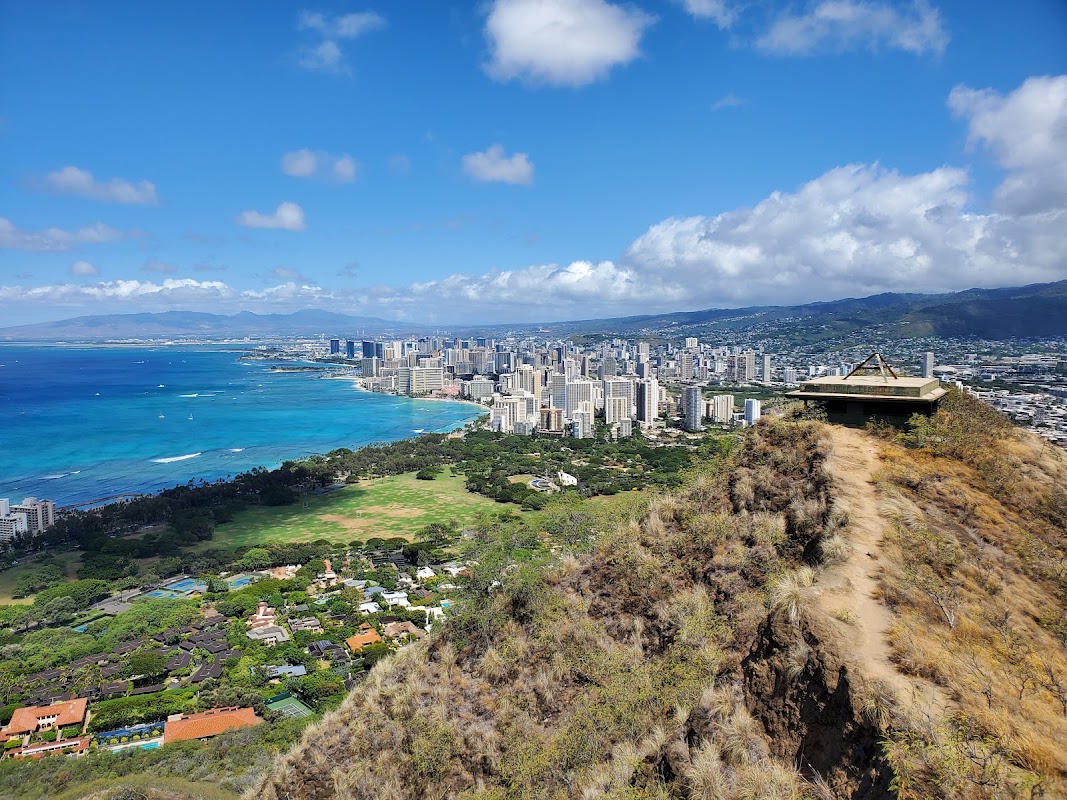
Start early, while it's still cool. Diamond Head — Lēʻahi — is the eroded volcanic crater at the eastern end of Waikīkī, and the trail from the crater floor up to the summit is short but steep, with switchbacks, stairs and a tunnel, ending on a wartime observation post with the whole south shore laid out beneath you: the reef lines, the high-rises of Waikīkī, and the Pacific going out forever.

It is not a wilderness experience — it's a paved, busy, extremely popular hour — but it is the view that fixes the geography of the island in your head, and doing it arm-in-arm at first light with the crater still in shade is a very good way to start a weekend. Out-of-state visitors need to reserve an entry slot online in advance, and the early slots go first, so book it the moment you know your dates.

Diamond Head State Monument

Photo: David Cain

Kapiʻolani ParkBackup

Kapiʻolani Park

If the reservations are gone or nobody is enthusiastic about stairs, take the flat version. Kapiʻolani Park, established in 1877 at the Diamond Head end of Waikīkī, is a wide green expanse of banyans and monkeypods with the crater rising behind it and the beach across the road — a bench, two coffees, and an hour of doing nothing under a very large tree.

Kapiʻolani Park

Photo: machapon (まちゃぽん)

Eat & rest

Spend the afternoon on the sand at the quieter Diamond Head end of Waikīkī Beach rather than the crowded middle, then commit the evening to the classic Honolulu sunset ritual. House Without a Key, the open-air oceanfront terrace at the Halekulani, has live Hawaiian music and hula under a huge old kiawe tree as the sun goes down, with Diamond Head framed to your left — no ticket, just get there early enough for a table. The Mai Tai Bar at the Royal Hawaiian, the 1927 pink hotel a few minutes along the beach, is the other institution, right on the sand.

For something less polished: Leonard's Bakery, a few minutes inland, has been turning out hot malasadas since 1952 and is worth the detour.

Day 2

The windward side: Kailua, Lanikai, and the Pali

A note from Wonder

Kailua is roughly 25–35 minutes from Waikīkī by car over the Pali Highway; a rideshare works but can be slow to find for the return trip, so a rental for the day is the easier call. Lanikai parking is residential and tight — park legally in Kailua and walk, or use Kailua Beach Park. Reef-safe sunscreen only, and take everything you brought back out with you.

Lanikai BeachAnchor

Lanikai Beach

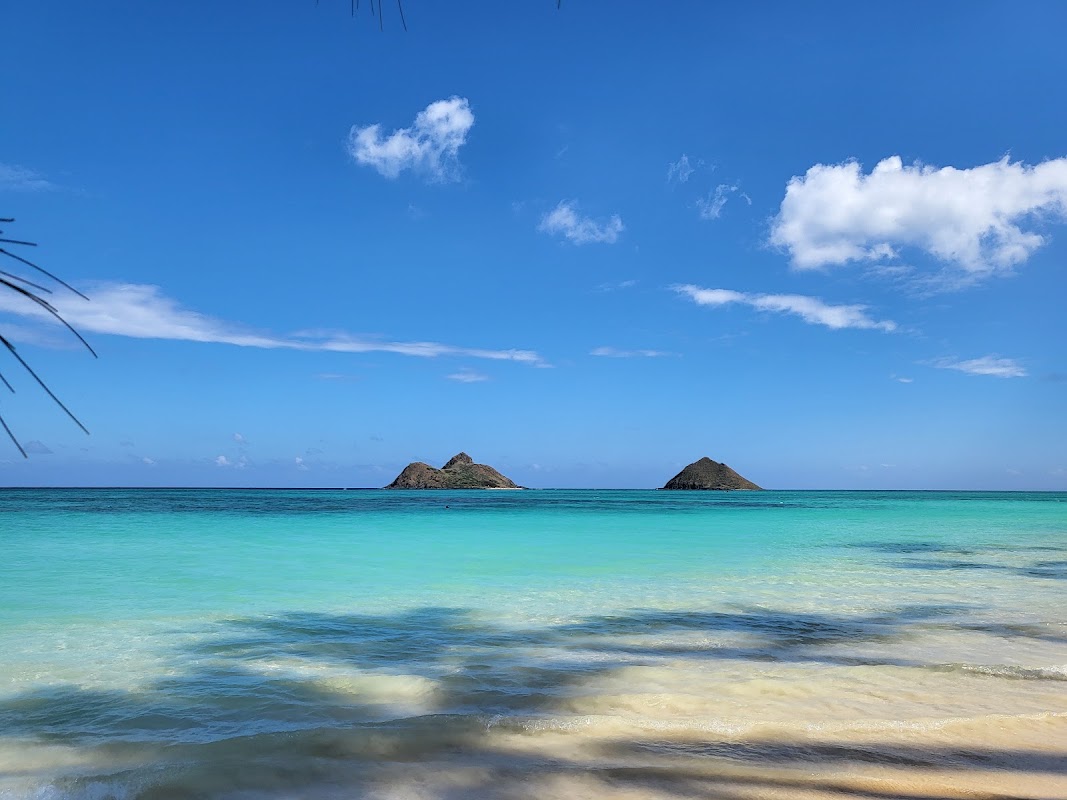
Cross the mountains for the day. The Koʻolau range splits Oʻahu in two, and the windward side is a completely different island — greener, quieter, and lined with the pale-sand, turquoise-water beaches that everyone pictures before they arrive. Lanikai Beach, a half-mile strip in a residential Kailua neighbourhood, looks out at the two small Mokulua islands offshore and is about as good as a beach gets for doing nothing in particular for four hours. Neighbouring Kailua Beach Park is bigger, has actual facilities and parking, and is the more practical base if you want shade, showers, and somewhere to leave a bag.

Go in the morning: the trade winds are gentler, the light on the water is at its best, and parking in Lanikai is limited residential street parking that fills early. Bring everything you need — there are no concessions on the sand.

Lanikai Beach

Photo: 영담

Nuʻuanu Pali LookoutBackup

Nuʻuanu Pali Lookout

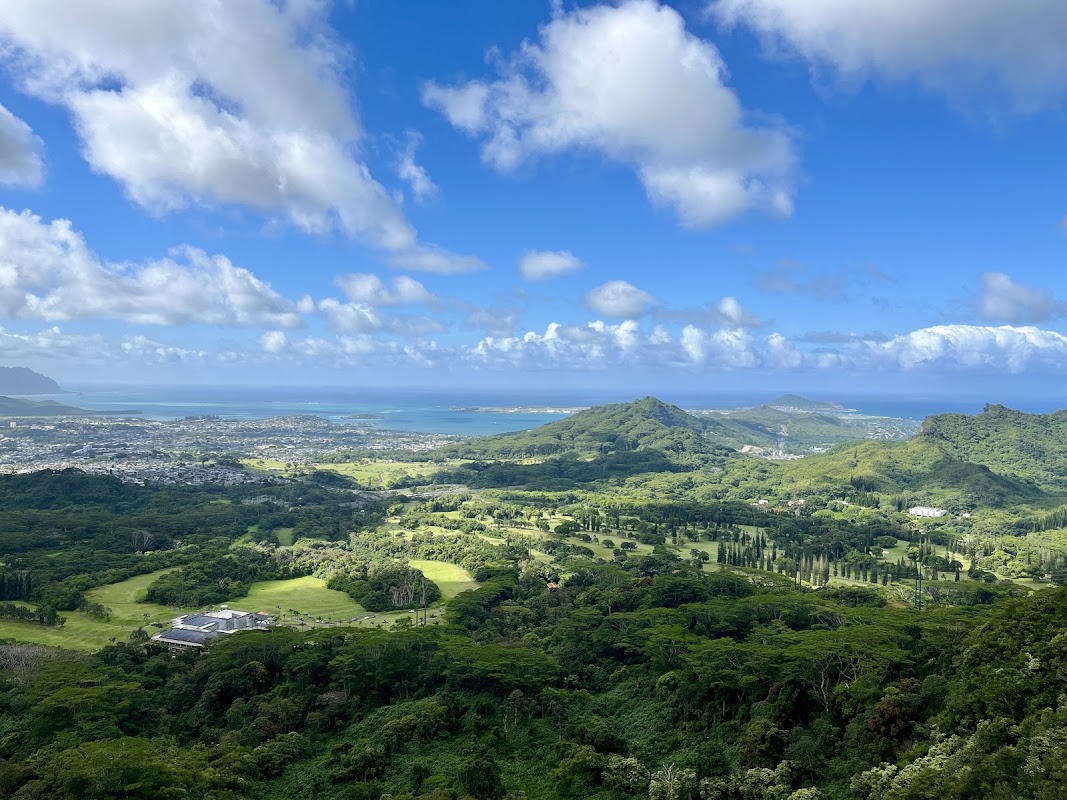
If the windward beaches are blown out or you only have half a day, stop instead at the Nuʻuanu Pali Lookout, high on the pass between the two sides of the island. It's a two-minute walk from the car park to a railing above a thousand-foot cliff, with the whole windward coast, the Koʻolau ridgeline and the ocean spread out below — one of the great views in Hawaiʻi and, historically, one of its most significant places. It is almost always windy enough to lean on; hold onto hats and phones.

Nuʻuanu Pali Lookout

Photo: Bharat Parmar

Eat & rest

Kailua town, a few minutes inland from the beach, is where to eat — a low-rise, unhurried grid of cafés, poke counters, plate-lunch spots and shave-ice windows, with none of Waikīkī's density. Pick up lunch there before you hit the sand, or come back for it afterwards. On the way home, the Nuʻuanu Pali Lookout is directly on the route back over the mountains, so you can take the beach and the view in one loop.

Day 3

The city's own history, then a lookout at sunset

A note from Wonder

ʻIolani Palace, the Honolulu Museum of Art and Chinatown are all within a few minutes of each other downtown, about fifteen minutes from Waikīkī. Palace tours have set times and limited capacity — book before you go. Puʻu ʻUalakaʻa needs a car; the road up Tantalus is narrow and winding, so allow more time than the distance suggests.

ʻIolani PalaceAnchor

ʻIolani Palace

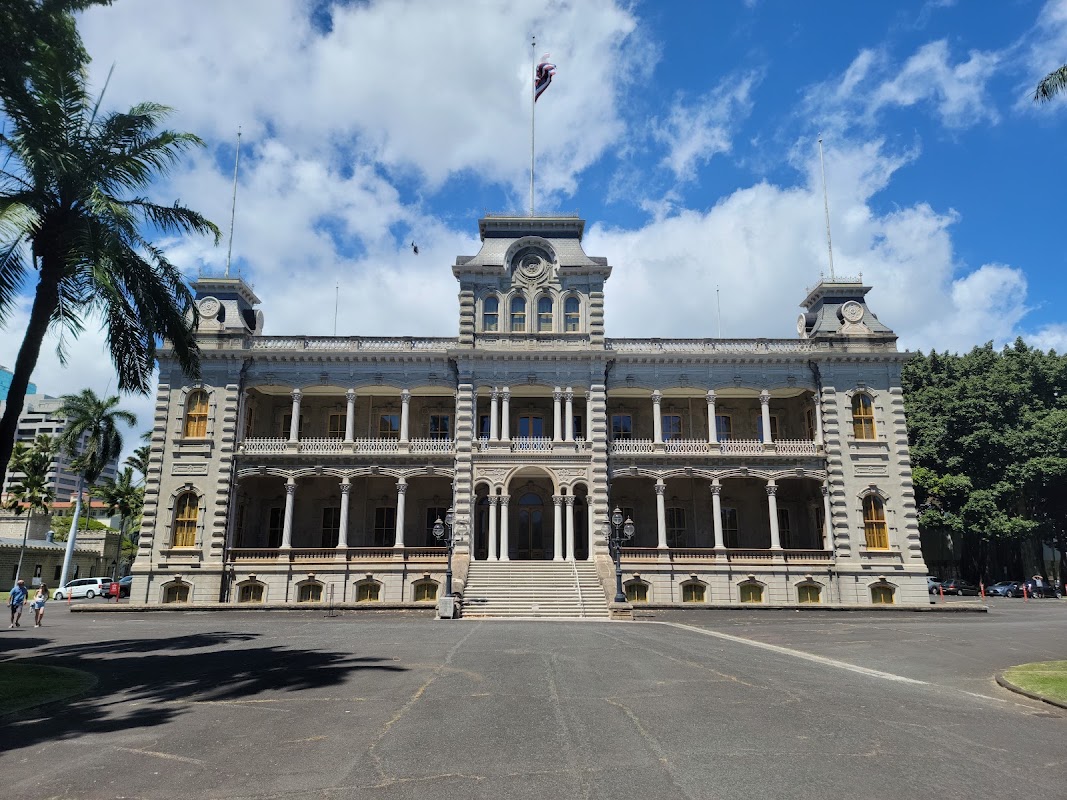
Give the last day to the Hawaiʻi that existed long before the hotels. ʻIolani Palace, completed in 1882 in downtown Honolulu, was the official residence of the Hawaiian monarchy and is the only royal palace on American soil — electric light, telephones, and indoor plumbing before the White House had them, and the place where Queen Liliʻuokalani was later imprisoned after the overthrow of the kingdom.

Go on a guided or audio tour rather than just walking the grounds; the building is beautiful — koa staircase, throne room, state dining room — but the story attached to it is the reason to come, and it reframes everything you've seen from the beach. It's a quiet, serious, genuinely moving hour or two, and it is easily the most interesting indoor thing in the city. Tours run on set days and times and are limited, so check the schedule and book ahead.

ʻIolani Palace

Photo: Mike Long

Honolulu Museum of ArtBackup

Honolulu Museum of Art

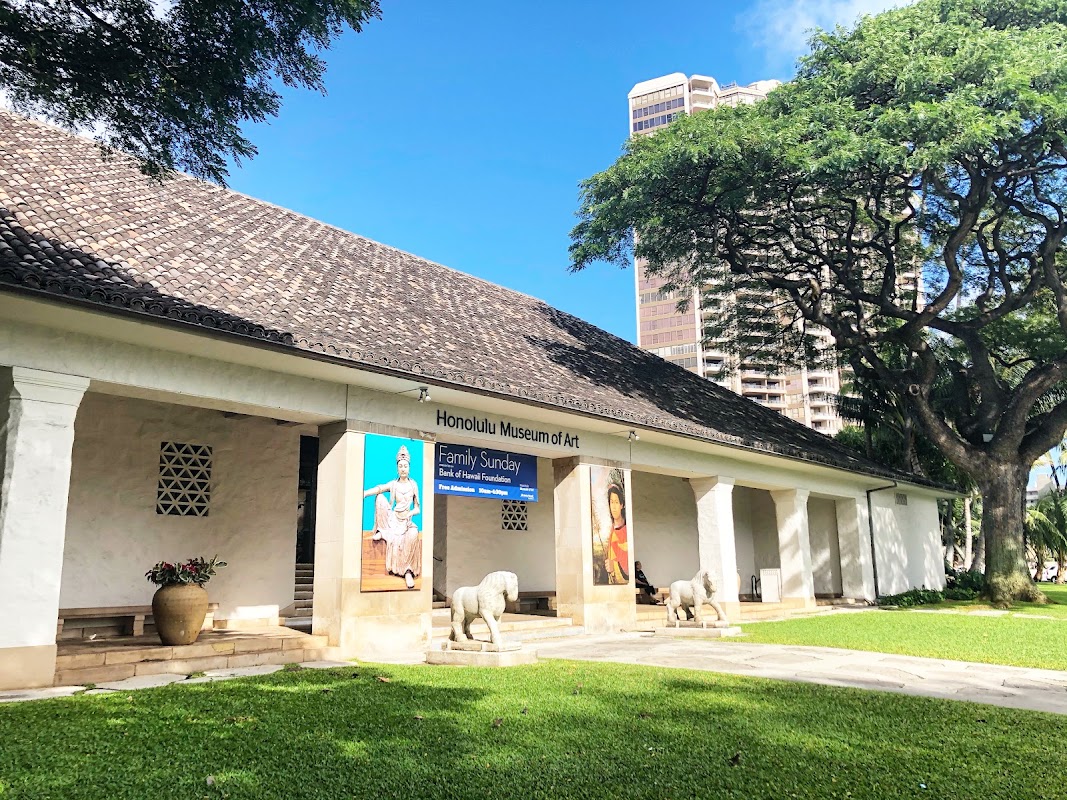
The Honolulu Museum of Art, opened in 1927 a few minutes from downtown, is the gentler alternative and one of the loveliest small museums in the Pacific: a low, open building arranged around planted courtyards with fountains, holding a serious Asian and Pacific collection alongside European and American work. There's a café in one of the courtyards, and the whole thing is cool, shaded and quiet — a good afternoon when the sun is at its worst.

Honolulu Museum of Art

Photo: Alinda Tian

Eat & rest

Sunset moment: for the last evening, go up rather than out. Puʻu ʻUalakaʻa State Wayside, on the Tantalus ridge above the city, is a ten-minute drive from downtown to a lookout that takes in Honolulu, Diamond Head, the harbour, and the ocean all at once — the best sunset view on this side of the island, and the whole city lighting up afterwards. The park closes at dusk, so go early and don't linger past closing.

Eat / rest: Honolulu's Chinatown, a few blocks from the palace, is the most interesting dinner neighbourhood downtown — old storefronts, lei stands, noodle houses, and a scattering of small bars and galleries; it's lively in the early evening and quieter later. Alternatively, close the weekend where you started, with a plate at a beachfront table in Waikīkī and the sound of the surf doing the work.

Rain, or the heat of the afternoon (indoor and shaded)

Showers here tend to blow through in twenty minutes rather than settle in for the day, but the midday sun is a more reliable reason to be indoors. Keep these in reserve:

  • ʻIolani Palace (downtown) — a guided tour of the only royal palace in the United States; entirely indoors and the best hour in the city (see Day 3).
  • Honolulu Museum of Art — Asian, Pacific, European and American collections around shaded courtyards, with a café; cool and quiet.
  • Bishop Museum (Kalihi) — founded in 1889, the state museum of Hawaiian and Pacific culture and natural history, with a planetarium; the deepest dive on the island.
  • Foster Botanical Garden (downtown) — the oldest botanical garden in Hawaiʻi, with enormous mature trees; not indoors, but almost entirely in deep shade.
  • Ala Moana Center — an enormous mostly open-air shopping centre with a food hall; the pragmatic wait-out-a-squall option near Waikīkī.

Where to eat and drink (real spots and clusters)

  • Sunset music on the sand: House Without a Key (Halekulani, Waikīkī) — open-air terrace, live Hawaiian music and hula, Diamond Head in the frame; arrive early for a table.
  • Classic beachfront cocktail: the Mai Tai Bar at the Royal Hawaiian (Waikīkī) — on the sand at the 1927 pink hotel.
  • Malasadas: Leonard's Bakery (Kapahulu) — Portuguese doughnuts, hot, since 1952; go when the "hot malasadas" sign is lit.
  • Local plate lunch and poke: Kailua town on the windward side, and the poke counters around Waikīkī and Kapahulu — the everyday food of the island and the best value on it.
  • Dinner with the most character: Chinatown, downtown — noodle houses, small bars and galleries in old storefronts; liveliest in the early evening.
  • Shave ice: a hot-afternoon institution across the island; ask for it with ice cream underneath at least once.
  • A note on timing: the sunset spots do not take reservations and the tours do. Book ʻIolani Palace and your Diamond Head entry slot ahead, and simply turn up early for everything else.

Make this Honolulu plan yours

Tell WonderKit your dates and who's coming, and we'll rebuild this around your group in about a minute — everyone votes on the plan, and costs split automatically. One subscription, the whole group.

One of 46 ready-made WonderKit plans across 33 cities

No credit card · ready in about a minute

Keep exploring