WonderKit
Couples weekend · Kyoto, Japan

3-Day Kyoto Itinerary for Couples

Kyoto rewards a couple who is willing to get up early and stay out late, and not much in between. The city's best moments — the thousand torii gates before the tour buses arrive, a bamboo grove with nobody else in it, a narrow dining alley lit by paper lanterns — all sit at the edges of the day, and the middle hours are largely about crowds and heat. So this plan front-loads the mornings, treats the afternoon as recovery time, and saves the atmosphere for evening.

A practical note on pace: Kyoto has an enormous number of temples and shrines, and trying to see more than one or two a day with any real attention is how a trip here turns into a blur of orange gates and grey roof tiles. This itinerary picks one anchor experience a day and a quieter backup, on the theory that a couple remembers the two hours they weren't rushed through far more than the six sites they were.

3-day plan6 stopsCouples weekendKyoto
Planned by Wonder· built from real, checked placesReal places

Photo: bobby Newcomb

Jump to a day
Day 1

The gates at dawn, Gion after dark

A note from Wonder

Fushimi Inari is a couple of stops south of central Kyoto by train (JR Nara Line to Inari Station, or the Keihan line to Fushimi-Inari); go as early as you can manage. Gion is back in the central-east part of the city, an easy taxi or bus ride from either shrine.

Fushimi Inari TaishaAnchor

Fushimi Inari Taisha

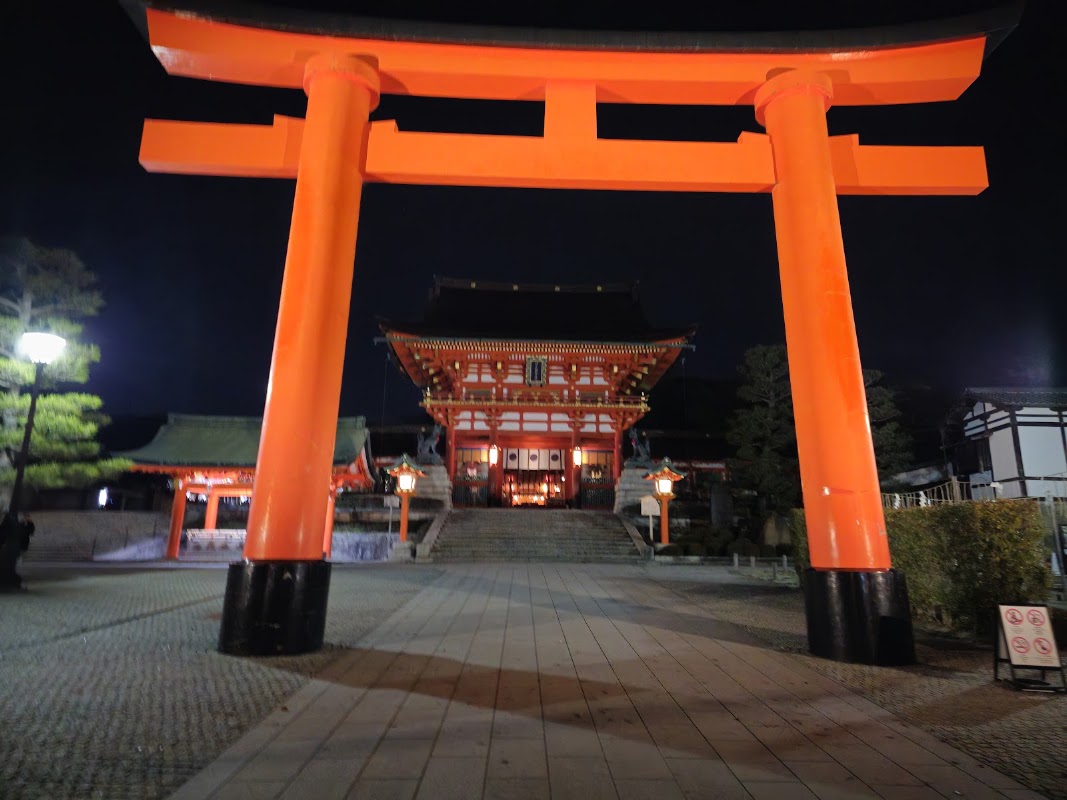
Go to Fushimi Inari Taisha before the day gets away from you — ideally at or just after sunrise. The shrine's thousands of vermilion torii gates climb the wooded slopes of Mount Inari in dense, photogenic tunnels, and it is free, open around the clock, and utterly transformed by an early arrival: the paths that are shoulder-to-shoulder with tour groups by mid-morning are close to empty at dawn, and the light coming through the gates at that hour is the best reason to set an alarm on this trip.

You don't need to walk the full loop to the summit, which takes a couple of hours round trip — the dense, iconic gate tunnels near the base are the most photographed stretch for good reason, and a couple short on time can turn back whenever the crowds start building without missing the point of the place.

Fushimi Inari Taisha

Photo: bobby Newcomb

Kiyomizu-deraBackup

Kiyomizu-dera

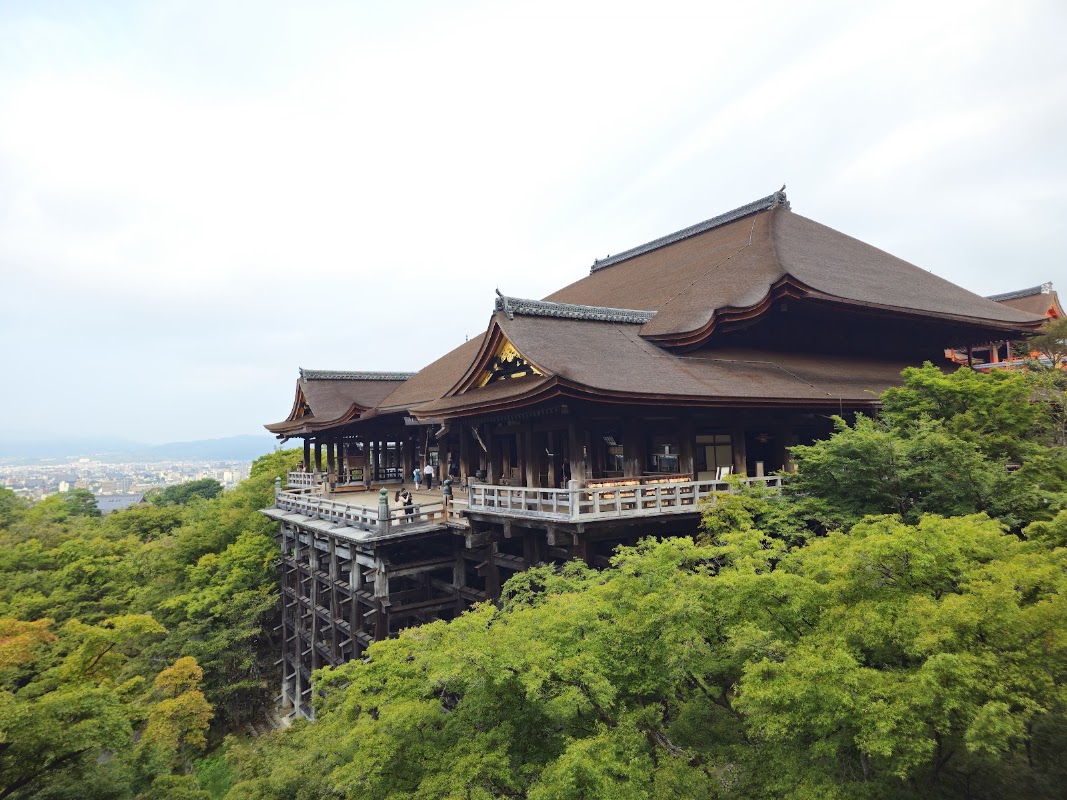
If you'd rather sleep in, Kiyomizu-dera, a wooden temple built out over the hillside on tall pillars with sweeping views across the city, is the alternative morning anchor — arrive early here too, since it's one of Kyoto's most visited sites. The approach up Kiyomizu-zaka and Sannen-zaka, old sloped lanes lined with traditional shops, is worth the walk on its own.

Kiyomizu-dera

Photo: Raymond Wu

Eat & rest

Spend the evening in Gion, Kyoto's most famous geisha district, where narrow lanes of wooden machiya townhouses run behind Hanamikoji Street. Early evening is when you have the best (though not guaranteed) chance of glimpsing a geiko or maiko moving between appointments — if you do, keep your distance and don't block the street for a photo, since this is their daily commute, not a performance. Yasaka Shrine at the eastern end of the district is lit and open in the evening and makes a natural end point for the walk.

Day 2

Bamboo and a temple garden in Arashiyama

A note from Wonder

Arashiyama is on the western edge of the city, reachable by the JR Sagano Line or the Randen tram from central Kyoto, around 20–30 minutes. Go early or late in the day for the bamboo grove; the middle hours are the busiest.

Arashiyama Bamboo GroveAnchor

Arashiyama Bamboo Grove

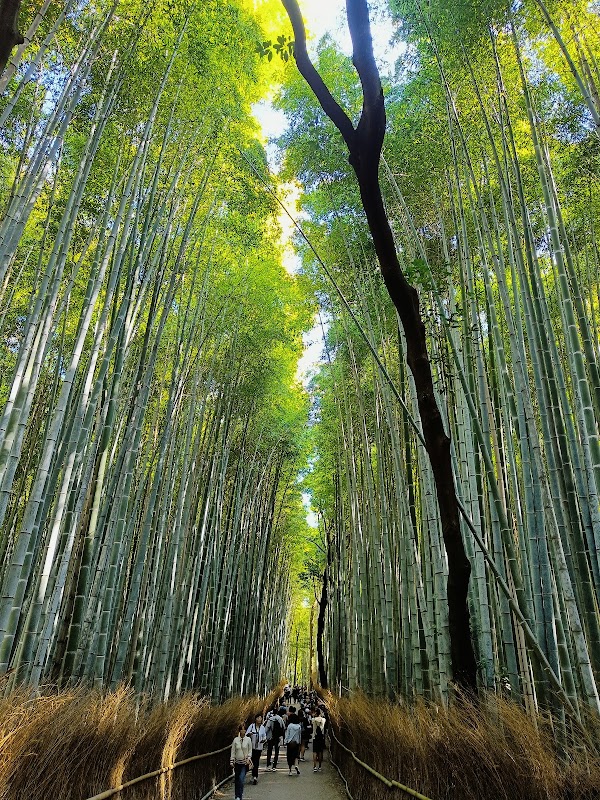
Arashiyama, on the western edge of the city, is built around a famous bamboo grove — a path through towering green stalks that sway and knock together overhead, an almost unnervingly beautiful walk when it isn't full of people. As with Fushimi Inari, timing is everything: come at opening or in the late afternoon, and the grove is a quiet, private-feeling corridor rather than a shuffling queue for photos.

At the grove's edge sits Tenryu-ji, a Zen temple with one of Kyoto's most celebrated gardens — a pond, borrowed mountain scenery, and raked gravel designed to be looked at slowly rather than walked through quickly. Sit on the veranda for a while before moving on; the garden's whole design assumes you will.

Arashiyama Bamboo Grove

Photo: Miquel Lapuente Marquès

Nijo CastleBackup

Nijo Castle

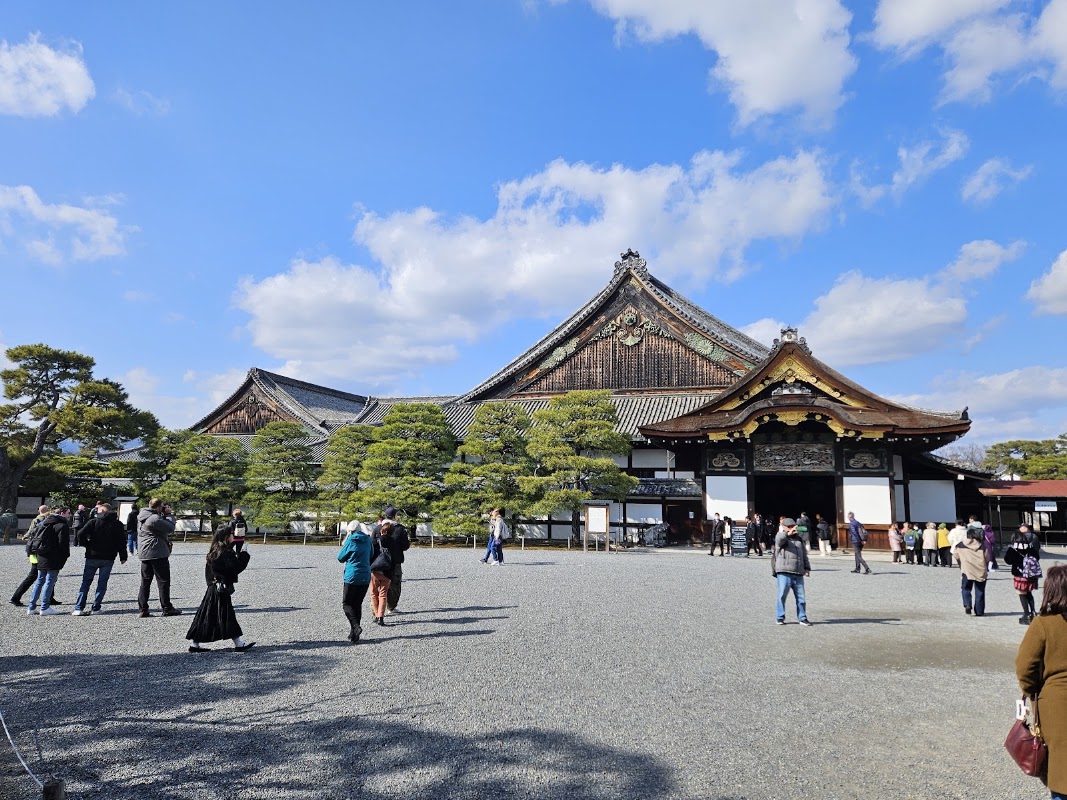
If Arashiyama feels too far out or too crowded on the day, Nijo Castle, a shogun's residence in the city centre known for its 'nightingale floors' that chirp underfoot as a built-in warning system against intruders, is a quieter and more central alternative — moated grounds, painted screens, and a genuinely unusual bit of architectural history.

Nijo Castle

Photo: Zsolt Dorogi

Eat & rest

Arashiyama has a small, walkable town centre around the station with tofu-focused restaurants — the area is known for it — and riverside cafés along the Hozu-gawa where you can sit with a view of the Togetsukyo Bridge. Nishiki Market, back in central Kyoto, is worth building into the afternoon instead: a narrow covered arcade of food stalls that has operated as the city's kitchen for centuries, good for grazing on several small things through the day, though most stalls wind down by early evening, so don't count on it for dinner itself.

Day 3

The Philosopher's Path and a lantern-lit dinner

A note from Wonder

The Philosopher's Path runs between Ginkaku-ji and Nanzen-ji in the eastern hills, reachable by bus from central Kyoto. Pontocho Alley is a short walk from Kawaramachi/Gion, on the west bank of the Kamo River — go around dusk for the lanterns.

Philosopher's PathAnchor

Philosopher's Path

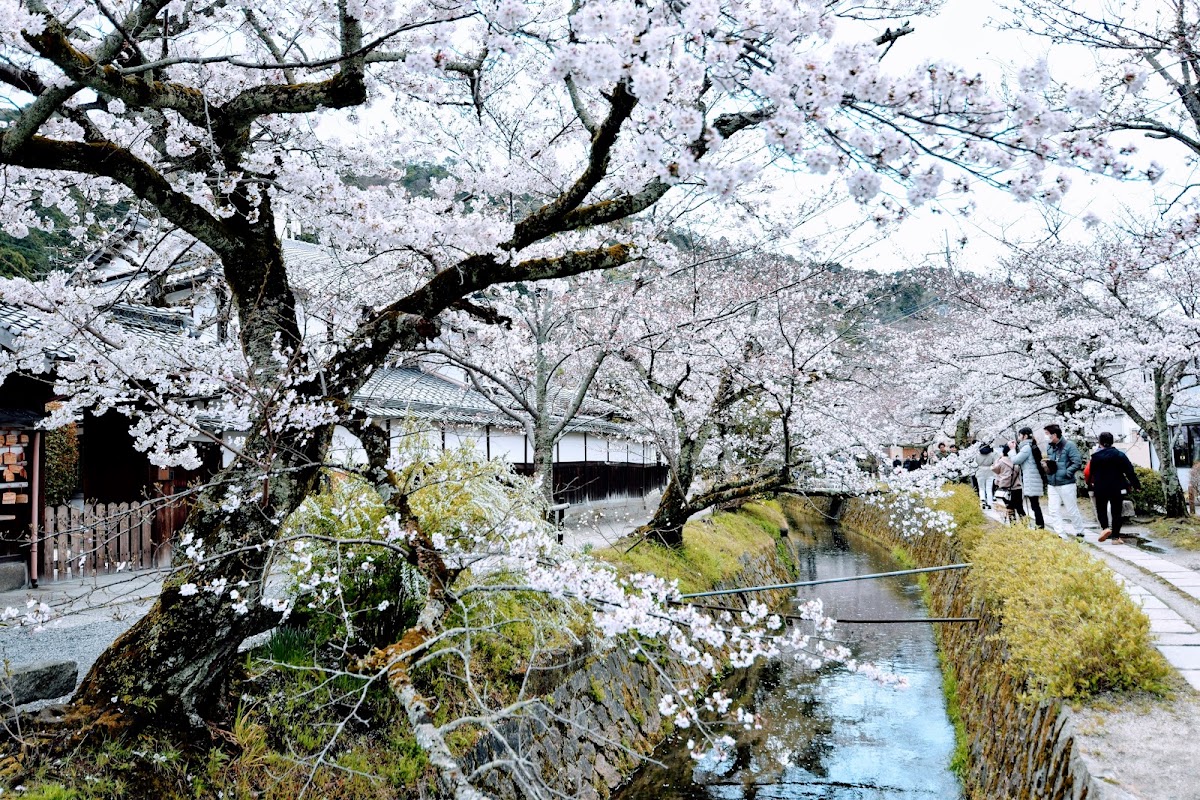
Spend the morning on the Philosopher's Path, a quiet stone walkway following a cherry-tree-lined canal beneath the eastern hills, named for a Kyoto University philosopher who is said to have used it for daily meditative walks. It's an easy, unhurried route rather than a sight in itself, dotted with small cafés and craft shops, and it delivers you at one end to Ginkaku-ji, the Silver Pavilion — a temple whose understated, moss-and-sand garden is arguably more admired by connoisseurs than its more famous golden counterpart.

Walking it slowly, hand in hand, with no other destination in mind is rather the point; this is the day built for not being anywhere in particular.

Philosopher's Path

Photo: Yoneda Kiyotaka

Kinkaku-jiBackup

Kinkaku-ji

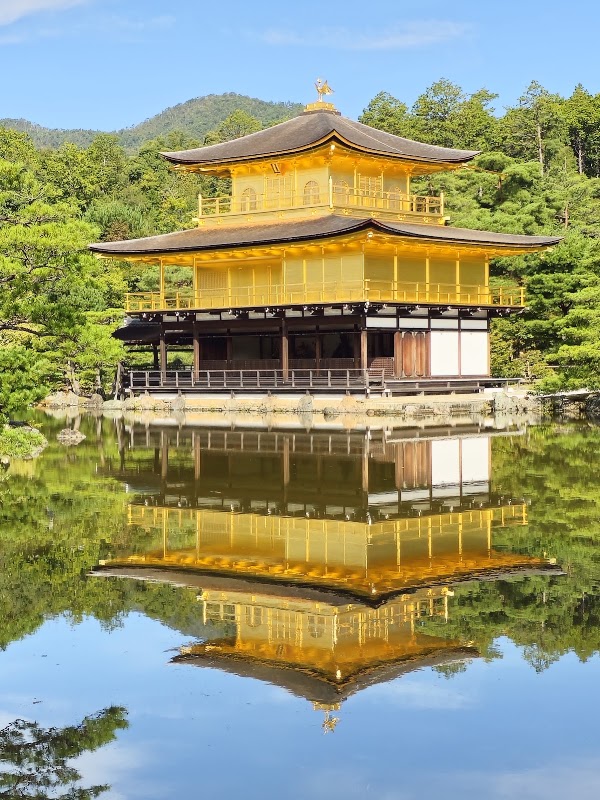
If you'd rather see Kyoto's single most photographed building, Kinkaku-ji, the Golden Pavilion, is a temple whose top two floors are covered entirely in gold leaf, set beside a reflecting pond that doubles the effect on a still day. It's on the opposite side of the city from the Philosopher's Path, so treat it as an alternative rather than an add-on, and go early to beat the crowds it reliably draws.

Kinkaku-ji

Photo: Johnny ZHEN

Eat & rest

For the last night, cross to Pontocho Alley, a famously narrow, lantern-lit dining lane running parallel to the Kamo River in central Kyoto, packed with everything from tiny yakitori counters to higher-end kaiseki restaurants behind unmarked doors. In the warmer months, some restaurants along the river set up open-air platforms — yuka — directly over the water, which is the single most atmospheric dinner setting in the city if you can get a seat. Afterwards, walk the Kamo River embankment, where couples traditionally sit along the banks in the evening.

Rainy-day or crowd-avoidance backups

Kyoto has plenty of quieter indoor and covered alternatives:

  • Nijo Castle — a shogun residence with nightingale floors and moated grounds; mostly covered walkways between halls.
  • Nishiki Market — a covered arcade of food stalls, good on a wet afternoon and for a grazing meal.
  • Kyoto National Museum — a large collection of Japanese art and antiquities, an easy indoor half-day near Sanjusangen-do.
  • Kinkaku-ji — the grounds have covered viewing points even in poor weather, though the walk itself is outdoors.

Where to eat as a couple

  • Pontocho Alley — lantern-lit dining lane along the Kamo River; riverside yuka platforms in the warmer months.
  • Nishiki Market — a covered arcade for a daytime graze through several small dishes; stalls wind down by early evening, so it's not a dinner stop.
  • Arashiyama — tofu-focused restaurants near the station and riverside cafés by the Togetsukyo Bridge.
  • Gion — traditional kaiseki restaurants tucked behind unmarked doors along the machiya lanes; book ahead for the well-known ones.

Make this Kyoto plan yours

Tell WonderKit your dates and who's coming, and we'll rebuild this around your group in about a minute — everyone votes on the plan, and costs split automatically. One subscription, the whole group.

One of 46 ready-made WonderKit plans across 33 cities

No credit card · ready in about a minute

Keep exploring