Nashville has two settings, and a good weekend for two uses both. There is the loud one — the honky-tonk strip on Lower Broadway, live music from noon, no cover, no quiet — and there is the other Nashville of listening rooms, old gardens, meat-and-threes, and songwriters playing in the round to eighty people who do not talk. This plan is built mostly on the second, with exactly enough of the first.
One anchor a day, an easy backup, and long evenings pointed at a stage. A seasonal honesty note: April–May and late September–October are the best of it, with mild evenings made for a patio. July and August are hot and sticky, which is a fine excuse for an air-conditioned museum in the afternoon and a show after dark; winter is mild by northern standards and the music never stops.
Downtown is walkable and everything below is a short rideshare from it, but Nashville is a driving city — the neighbourhoods you'll like most (12South, Hillsboro Village, East Nashville, Germantown) are each a ten- or fifteen-minute ride from the centre and from each other.
3-day plan6 stopsCouples weekendNashville
Planned by Wonder· built from real, checked placesReal places
The Hall of Fame, the Ryman and Lower Broadway are within a ten-minute walk of one another downtown. Buy Ryman show tickets as far ahead as you can — good nights sell out. If you want both the daytime tour and a concert, do the tour first; the building reads differently once you know what happened in it.
Anchor
Country Music Hall of Fame and Museum
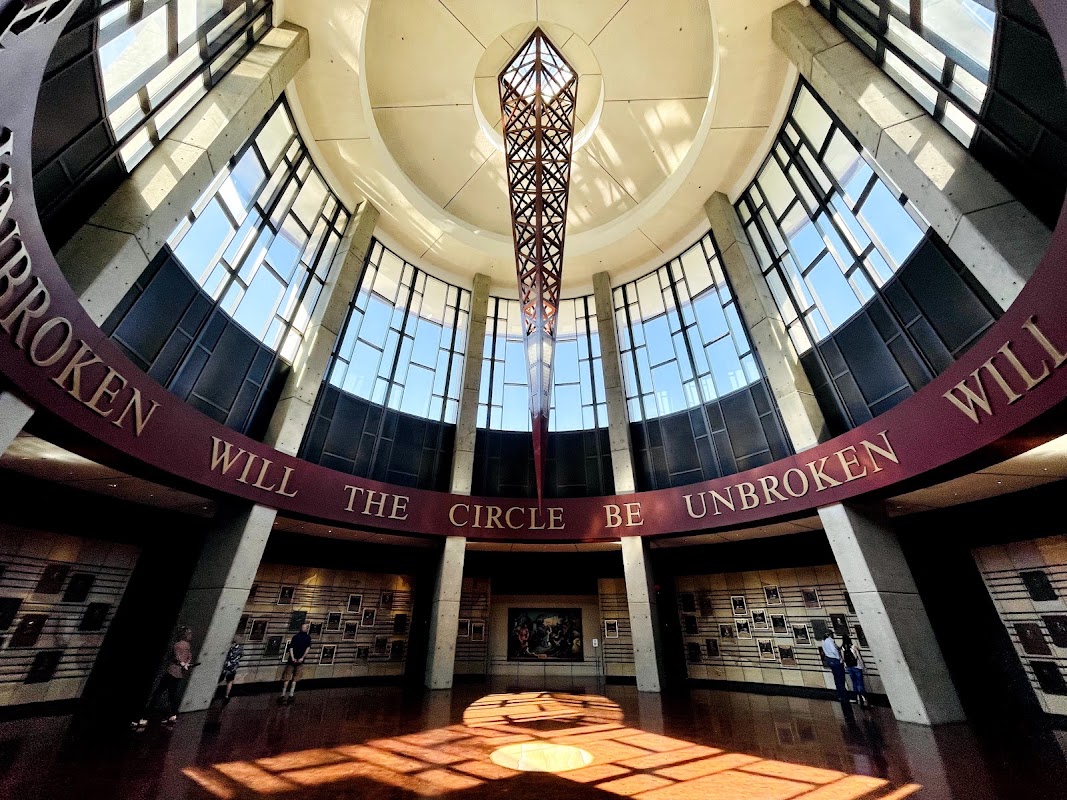
Start with the thing that explains everything else. The Country Music Hall of Fame and Museum, in the huge modern building downtown near the Music City Center, traces the whole arc of the music — the instruments, the handwritten lyrics, the stage costumes, the Hall of Fame rotunda — and is genuinely absorbing whether you arrive a fan or a sceptic. Two to three hours is right; there is a café inside when you flag.
Then walk a few blocks north to the Ryman Auditorium, built in 1892 as a tabernacle and known ever since as the Mother Church of Country Music. It's the best-sounding room in the city and it ran the Grand Ole Opry for over thirty years. Daytime self-guided and backstage tours run most days, but the far better version for two is a ticket to whatever is playing that night — the pews are original, the acoustics are the reason artists still fight to play there, and there is no bad seat.
Country Music Hall of Fame and Museum
Photo: Lee Luo
Backup
Frist Art Museum
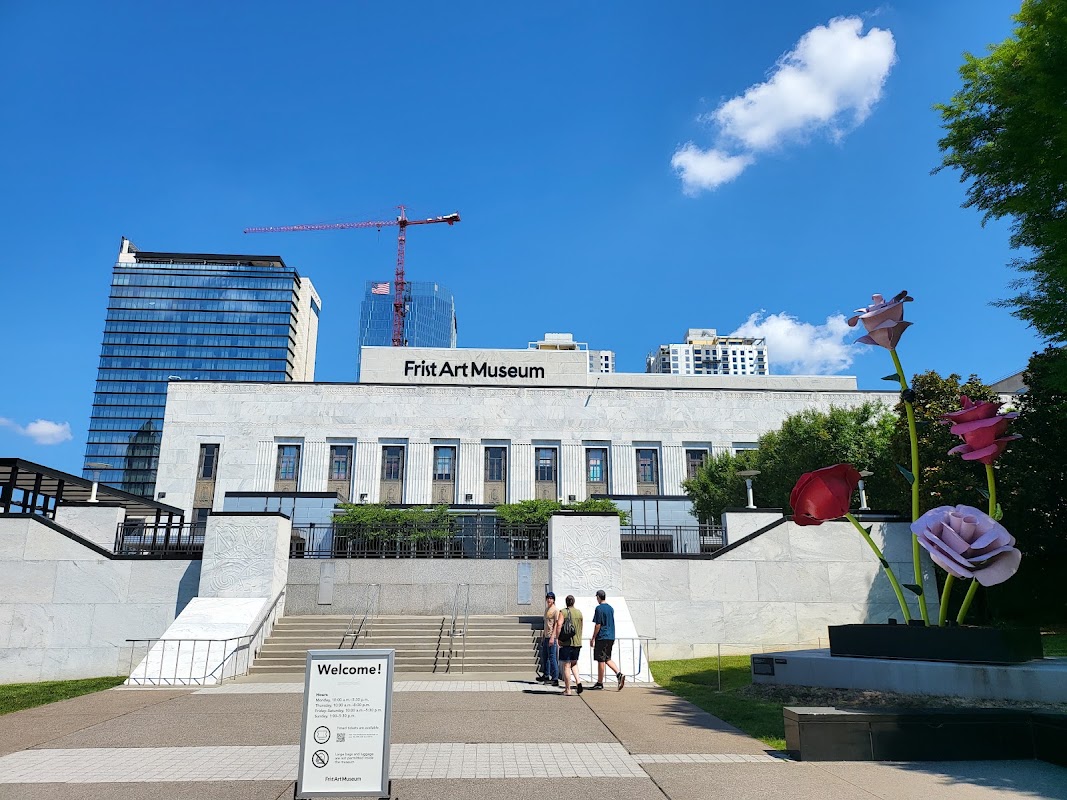
If you'd rather not spend a whole morning on country music, the Frist Art Museum a few blocks west on Broadway is the elegant alternative: rotating exhibitions in a beautifully restored 1930s Art Deco post office. It's a calm, air-conditioned hour or two, and the building itself — marble, grillwork, and enormous doors — is half the reason to go.
Frist Art Museum
Photo: Cory Stott
Eat & rest
Give the evening one hour on Lower Broadway and then leave. Robert's Western World is the honky-tonk locals send people to — cheap beer, a wall of cowboy boots, and a house band playing genuinely good traditional country — and Tootsie's Orchid Lounge next door has been the songwriters' bar behind the Ryman since 1960. Both are free to walk into, both are loud, and neither wants a reservation.
For dinner, go one neighbourhood over. The Gulch, immediately south-west of Broadway, is walkable and full of restaurants; Germantown, just north of downtown, is the quieter and, for two people who want to hear each other, better bet.
Day 2
Gardens, a Parthenon, and a listening room
A note from Wonder
Cheekwood is about twenty minutes by car from downtown and needs a car or a rideshare; check the day's hours before you go, as it closes one day a week in some seasons and runs ticketed seasonal exhibitions. The Bluebird's reservation system is the single most competitive thing in this itinerary — treat it as the one item you book first.
Anchor
Cheekwood Estate & Gardens
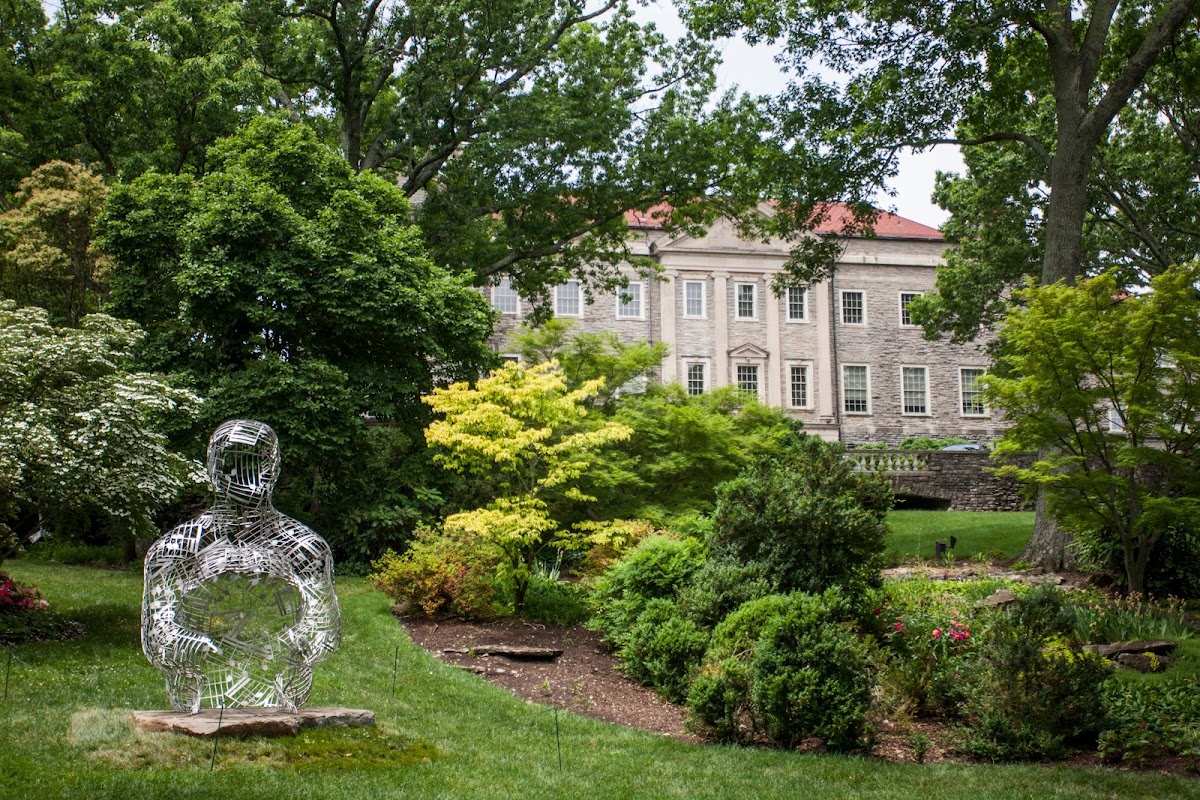
Cheekwood is the antidote to Broadway: a 1930s limestone mansion on a wooded hillside south-west of town, opened to the public in 1960, surrounded by fifty-odd acres of botanical gardens and a sculpture trail. There's a Japanese garden, a boxwood garden, a long woodland walk with sculpture set into it, and an art museum inside the house.
It is, on purpose, an unhurried couple of hours — the kind of place where the plan is to wander, sit somewhere with a view down the hill, and not look at a phone. It's at its most spectacular in spring, when the tulips and dogwoods go off, and again in autumn when the woodland trail turns; but the bones of it are good in any month.
Cheekwood Estate & Gardens
Photo: John Stevenson
Backup
The Parthenon
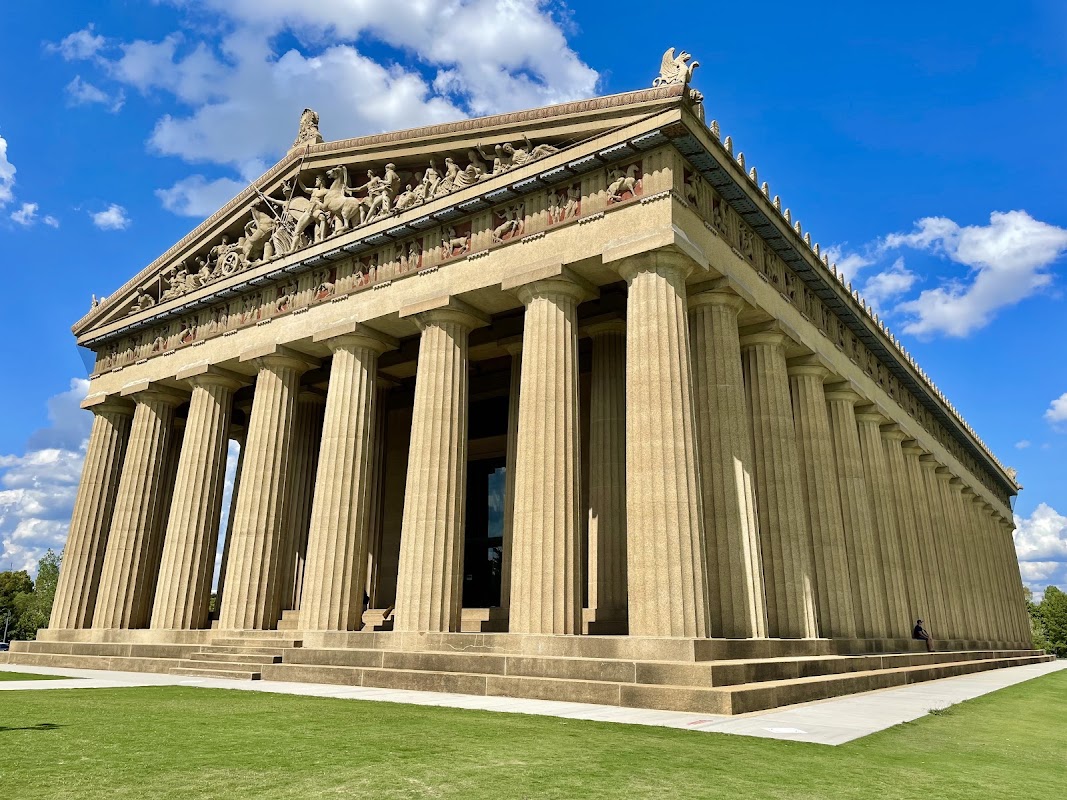
Closer in and free to walk around, Centennial Park holds a full-scale replica of the Athenian Parthenon, built for Tennessee's 1897 centennial exposition and rebuilt permanently in concrete — inside is a 42-foot gilded Athena and a small art museum. It's a genuinely surreal thing to come across in Tennessee, the park around it has a lake and long lawns, and Hillsboro Village is a five-minute walk away for lunch.
The Parthenon
Photo: Szymon Jasina
Eat & rest
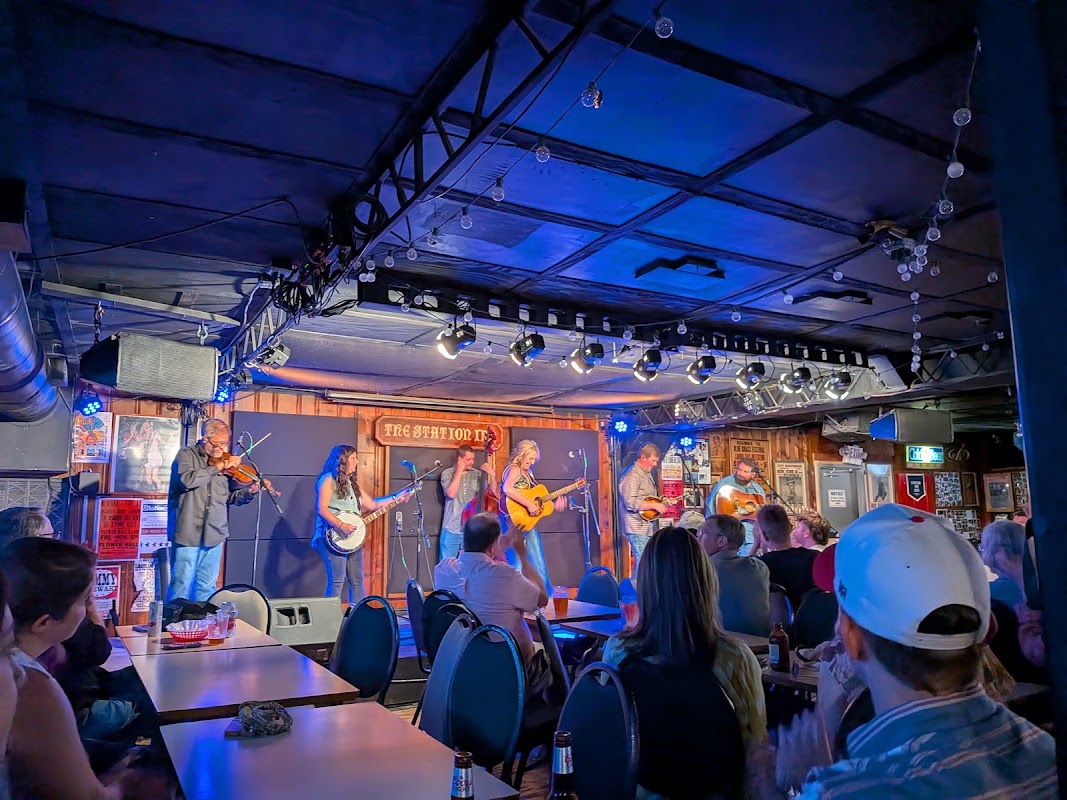
Lunch in 12South or Hillsboro Village — both are short, walkable strips of independent restaurants, coffee shops and boutiques, and both are a ten-minute drive from Cheekwood. Then make the evening about songwriters rather than bands. The Bluebird Cafe, a small listening room in a strip mall in Green Hills, is where writers play their own songs in the round to a room that stays silent between verses; tickets are limited and go fast online, so plan it weeks out. The Station Inn, a squat stone building in the Gulch that has been the city's bluegrass home since 1974, is the other great small room — mostly first-come, cash-friendly, and one of the best live-music values anywhere.
Day 3
A sunset over the river and a night at the Opry
A note from Wonder
The Opry House is about twenty minutes by car from downtown with no walkable dinner nearby, so eat before you go. Shows are usually early evening, which leaves the night open for a nightcap back in town. If your trip is a Friday-to-Sunday, note that the Opry runs several nights a week — check the schedule before you fix the rest of the weekend around it.
Anchor
Grand Ole Opry House
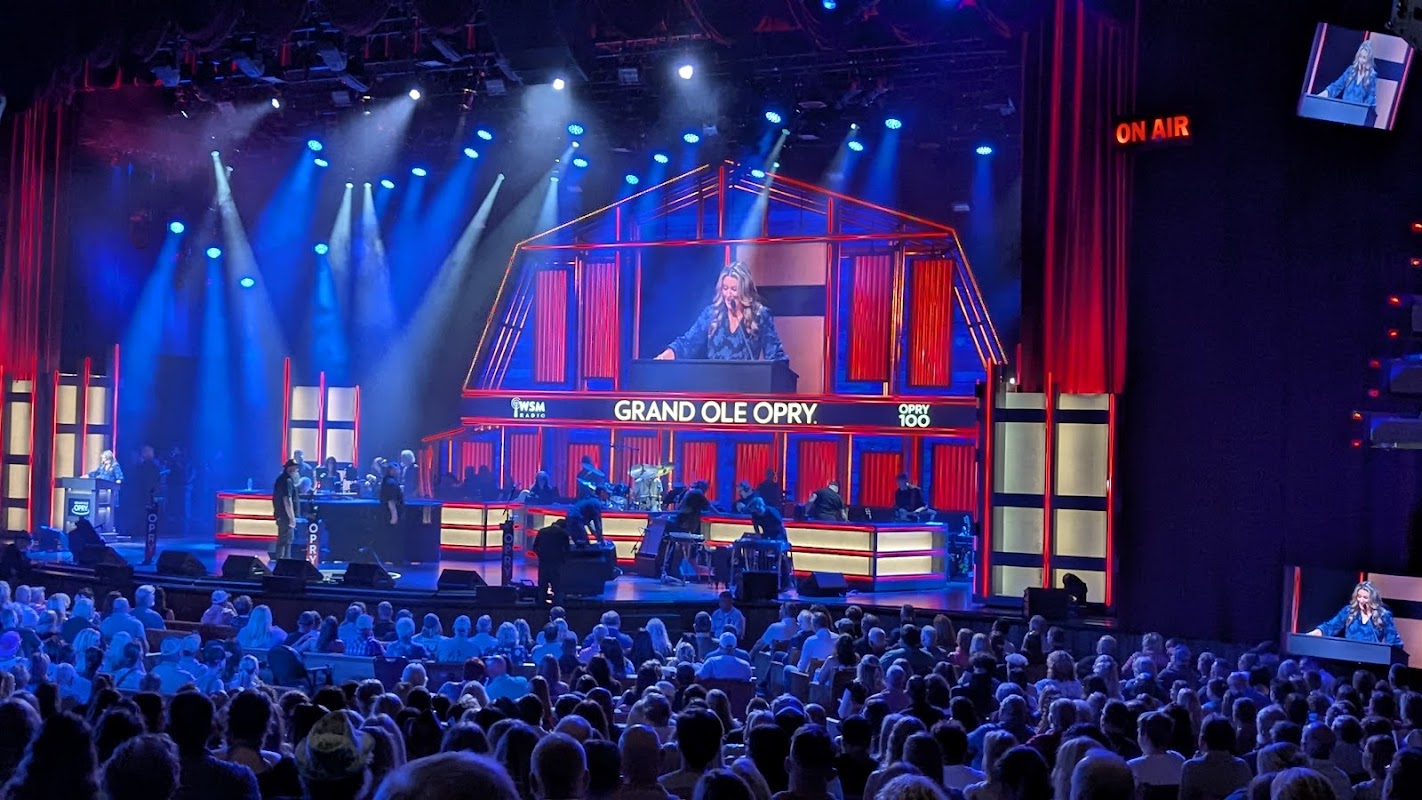
End with the institution. The Grand Ole Opry has been broadcasting live since 1925 — the longest-running radio show in America — and a night at the Opry House out by the Cumberland east of town is not a concert so much as a live variety broadcast: six or eight acts, a few songs each, a mix of legends and whoever is new, all stitched together with on-air announcements and readings of the adverts. It's charming, unpretentious, and moves fast enough that nobody gets bored.
One evergreen quirk worth knowing: for part of the winter the Opry moves back downtown to the Ryman, its old home. Check which stage your date is on when you book — both are excellent, but they are five miles apart.
Grand Ole Opry House
Photo: Sam Lauman
Backup
Station Inn
If the Opry is sold out or you'd rather stay central, the Station Inn is the right substitute: a low stone room in the Gulch with a small stage, a long bluegrass lineage, and nights where the picking is world-class and the ticket is under twenty dollars. Get there early — seating is at shared tables and the good ones go first.
Station Inn
Photo: Blake Baldassari
Eat & rest
Sunset moment: the John Seigenthaler Pedestrian Bridge, the 1909 truss bridge that now carries only walkers across the Cumberland, is the classic Nashville sunset — the whole downtown skyline on one side, the river underneath, and enough width to stand still without being in anyone's way. It's a five-minute walk from Lower Broadway and it costs nothing.
Eat / rest: for a proper Southern lunch before you fly out, the Loveless Cafe out on Highway 100 has been serving biscuits, country ham and preserves since 1951 and is worth the twenty-minute drive; closer in, a downtown meat-and-three will do the same job faster. For a final dinner, East Nashville across the river is the city's most interesting eating neighbourhood — small, chef-driven rooms, patios, and no dress code.
Rainy day or heat-of-the-afternoon backup (indoors)
Nashville summers are hot and humid with quick afternoon thunderstorms, and the shoulder seasons can turn wet — keep these indoor anchors in your back pocket:
Country Music Hall of Fame and Museum (downtown) — two or three fully absorbing hours, with a café when you need a break (see Day 1).
Frist Art Museum (Broadway) — rotating exhibitions inside a restored 1930s Art Deco post office; calm, cool, and rarely crowded.
Ryman Auditorium (downtown) — the self-guided and backstage tours let you sit in the pews and stand on the stage on a wet afternoon.
The Parthenon (Centennial Park) — the interior, with the towering gilded Athena and a small art museum, is entirely indoors.
Station Inn (the Gulch) — a low stone room with no windows to speak of; weather is irrelevant once the band starts.
Where to eat and drink (real spots and clusters)
Honky-tonk hour: Robert's Western World and Tootsie's Orchid Lounge (Lower Broadway) — free to enter, loud, and the real thing; one hour is plenty.
Quieter dinner downtown: Germantown, just north of the centre — a compact grid of restaurants where you can actually hold a conversation.
Walkable strips for lunch: 12South and Hillsboro Village — independent kitchens, coffee, and small shops, both a short ride from Cheekwood.
Southern breakfast worth the drive: the Loveless Cafe (Highway 100) — biscuits and country ham since 1951; expect a wait at weekends.
Hot chicken: a Nashville institution and hotter than you think — order one heat level below your instinct, and treat "mild" as a real option.
Dinner neighbourhood with the most character: East Nashville, across the river — small chef-driven rooms, patios, and no dress code.
A note on timing: the two things that sell out here are Bluebird Cafe tickets and Ryman shows. Book those first and build the weekend around them; everything else can stay loose.
Make this Nashville plan yours
Tell WonderKit your dates and who's coming, and we'll rebuild this around your group in about a minute — everyone votes on the plan, and costs split automatically. One subscription, the whole group.