WonderKit
Fall weekend for two · New York, NY

A fall weekend in New York for couples

New York's fall belongs to two things a couple can actually use: late light and a city that finally stops sweating.

3-day plan6 stopsCouples weekendNew YorkCentral Park peaks late Oct-early Nov
Planned by Wonder· built from real, checked placesReal places

Photo: Dacxilia Deras / Unsplash

The shape of the trip

Central Park turns from the last week of October into the first week of November, later than most of the region, which means a fall weekend here is a genuinely different trip from an upstate leaf-peeping one — the point isn't scenery for its own sake, it's a park you can walk slowly through at dusk without either of you asking to leave.

This plan skips the family stops — the zoo, the carousel, the crowds around Bethesda Fountain at noon — for a version of the city built around exactly two people with nowhere they have to be: the wooded, deliberately tangled paths of the Ramble instead of the open lawns, a medieval monastery on a hill in the city's quietest corner instead of a midtown museum, and one full day out of the five boroughs if you want it.

The catch is crowding. Fall is the second-busiest season in New York after the winter holidays, and the same golden hour that makes the Ramble worth the trip also fills it.

Weekday mornings and the hour before sunset on a Sunday are both quieter than a Saturday afternoon — worth building the schedule around if you have any flexibility on dates.

Each day has one anchor, an easy backup, and an eat/rest note. The Cloisters is closed Wednesdays and keeps museum hours, so don't schedule it as a spontaneous stop; the Ramble and Fort Tryon Park need no ticket and no plan at all, which makes them the right fallback on a day that goes sideways. If a full day out of the city sounds right, book the Metro-North tickets before you leave — Sunday-afternoon trains back from the Hudson Valley fill on fall weekends.

Jump to a day
Day 1Half day

The Ramble, Bow Bridge, and dusk over the lake

A note from Wonder

Enter at 72nd Street on either side of the park; the Ramble's paths are narrow, unpaved and genuinely easy to get turned around in — that's the point, but keep your bearings toward the lake.

The Ramble, Central ParkAnchor

The Ramble, Central Park

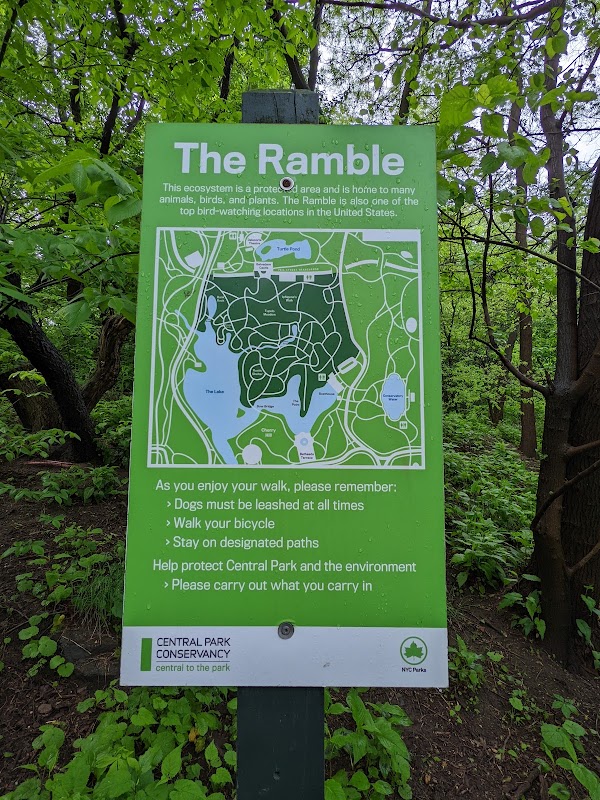
Enter Central Park with no fixed route and let the Ramble be the whole afternoon. It's the deliberately wild 36 acres between the lake and the Great Lawn — narrow, looping paths designed to feel like real woods rather than a park, and the part of Central Park where fall color is genuinely the best in the city, usually from the last week of October into the first week of November. Cross Bow Bridge into it from the west, or come from Bethesda Terrace on the south side; either way, the goal is to get lost on purpose for an hour.

Stay until the light starts to go. Late afternoon in the Ramble, when the crowds thin and the low sun comes sideways through the canopy, is the single best hour in the park all year, and it's free.

The Ramble, Central Park

Photo: Mike Badders
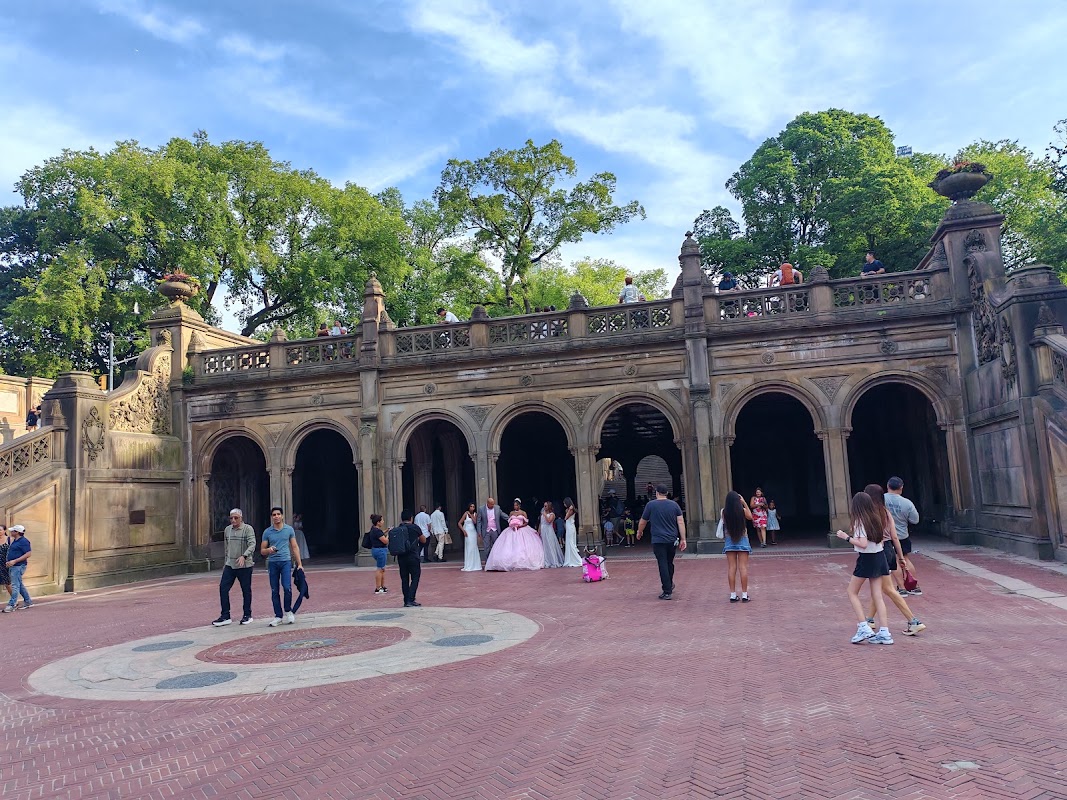
Bethesda TerraceBackup

Bethesda Terrace

If the Ramble's narrow paths are too crowded or too muddy after rain, Bethesda Terrace — the grand sandstone terrace overlooking the lake, just south of the Ramble — gives you most of the same view with paved, level ground underfoot. It's also the better option after dark, since the Ramble's paths have no lighting.

Bethesda Terrace

Photo: Sandra Salamanca

Eat & rest

The run of casual restaurants along Columbus Avenue on the Upper West Side is a few minutes' walk from the park's western edge — an easy dinner without booking ahead. For something with more occasion to it, several rooms overlooking the park from Central Park South are worth a reservation if you want the first night to feel like one.

Day 2Half day

The Cloisters, Fort Tryon Park, and the Palisades below

A note from Wonder

Why for this trip: it's the one full afternoon that feels genuinely away from the rest of New York without leaving the city. A train to 190th Street lets out inside the park via an elevator; the walk from the subway to the museum is mostly flat and shaded.

The Met CloistersAnchor

The Met Cloisters

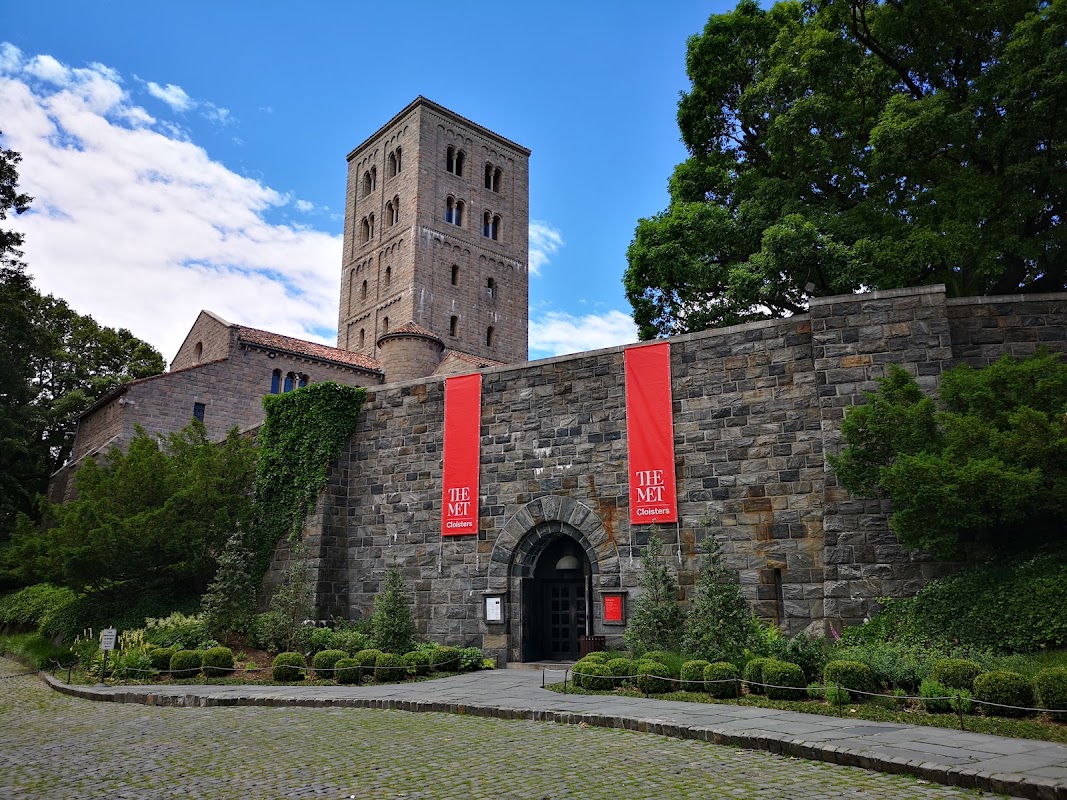
At the northern tip of Manhattan, in Fort Tryon Park, the Met Cloisters is a museum built from actual medieval European monasteries — stone cloisters, a walled herb garden, tapestries including the Unicorn series — reassembled on a hill above the Hudson. It's one of the quietest, least crowded major museums in the city, and in fall the view from its ramparts takes in the turning Palisades across the river in New Jersey.

It's open Monday, Tuesday, and Thursday through Sunday, closed Wednesdays; admission is pay-what-you-wish for New York residents and tri-state students, suggested $30 for everyone else, and the same ticket covers the Met's Fifth Avenue building the same day. Two to three hours is enough, including the walk through the surrounding park.

The Met Cloisters

Photo: Sebas Inchauspe

Fort Tryon ParkBackup

Fort Tryon Park

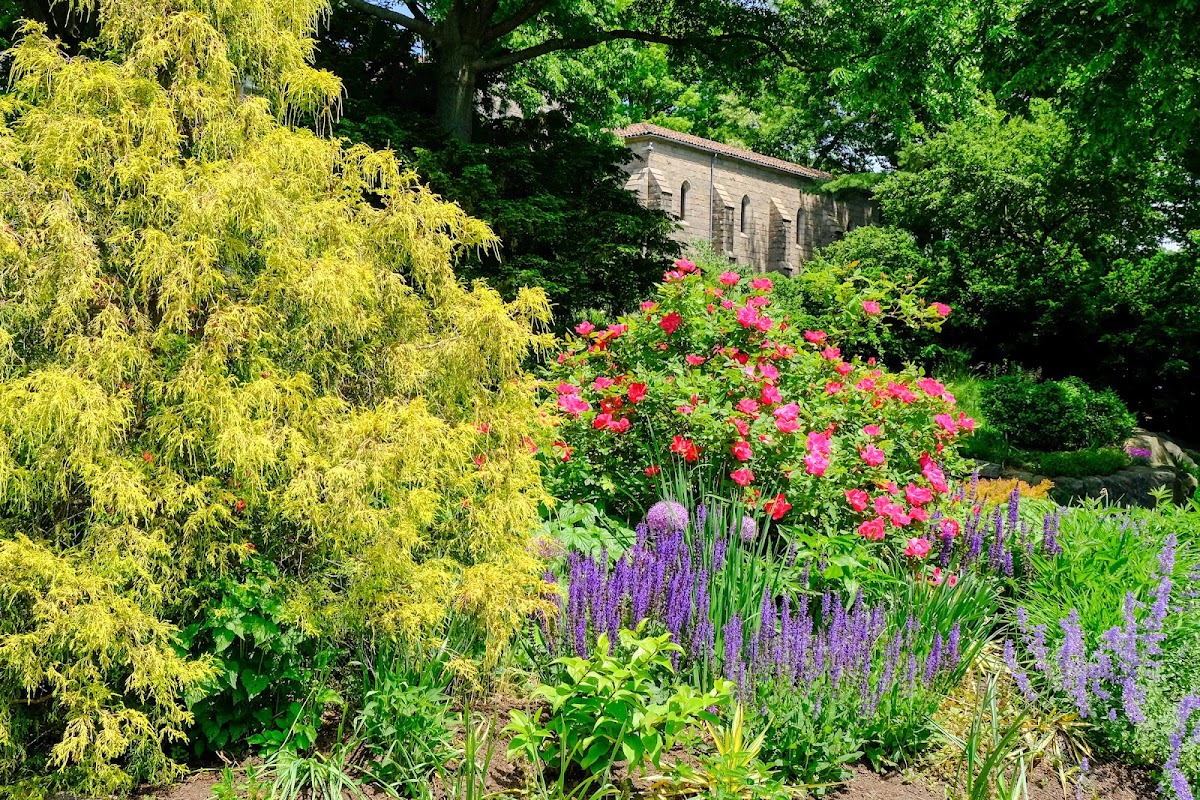
If the museum is closed on your day, the park around it is worth the trip on its own — Fort Tryon Park's Heather Garden runs along a ridge with sweeping views west over the Hudson to the Palisades, and it needs no ticket at all. It's also the better rainy-day fallback for the museum itself, since the ramparts and garden paths are open-air but the walk is short.

Fort Tryon Park

Photo: Fort Tryon Park

Eat & rest

The neighborhood immediately below the park, Hudson Heights, has a small, unhurried run of cafés and restaurants a short walk from the A train — a quieter, less touristed dinner than anywhere in Midtown. Take the walk back down through the park before dark if the weather holds; it's the best view in this part of the city.

Day 3

Optional: a day up the Hudson

A note from Wonder

Buy round-trip Metro-North tickets in advance via the app to skip the on-board markup. The walk from Cold Spring station to Main Street is under five minutes. ~Full day if you go, otherwise a free half day in the city.

Cold Spring, NYAnchor

Cold Spring, NY

If you want one full day out of the city, Metro-North's Hudson Line runs directly from Grand Central to Cold Spring in about ninety minutes — no car needed. Cold Spring is a small, walkable river town with a Main Street of antique shops and cafés running down to a waterfront park with a direct view across the Hudson to Storm King Mountain, usually turning by mid-to-late October, a week or so ahead of the city itself.

One correction worth knowing before you go: Breakneck Ridge, the trail this town is best known for among hikers, has been closed since 2025 for a trailhead and bridge project and is expected to stay closed into 2027 — don't plan a hike around it. The town itself, without the trail, is still a genuinely pleasant day trip.

Cold Spring, NY

Photo: A G

Staying in the cityBackup

Staying in the city

If a day trip is more than the weekend has room for, spend the morning back in the Ramble at a different hour than Day 1 — it looks different in morning light than at dusk — and treat the afternoon as open time: a museum you didn't get to, or simply a long walk with nowhere to be, which is its own kind of fall-weekend luxury in a city that rarely offers it.

Staying in the city

Photo: The Roxy Hotel New York

Eat & rest

Cold Spring's Main Street has the day's easiest lunch, with river views from several rooms. Trains back to Grand Central run roughly hourly; check the return schedule before you sit down for a long lunch, since Sunday-afternoon fall trains fill.

Timing a fall weekend in New York

A few dates change how the weekend feels — worth checking against your trip:

  • Central Park foliage usually peaks from the last week of October into the first week of November — later than the Hudson Valley, so a city weekend and an upstate leaf-peeping trip are rarely the same dates.
  • Late September and early October are still warm and mostly green; by late November the park is bare and the light is gone by five.
  • Fall is the second-busiest season in the city after the winter holidays — weekday mornings and the last hour before sunset are both noticeably quieter than a Saturday midday.
  • The New York City Marathon, run the first Sunday in November, closes streets across all five boroughs — a striking thing to watch, but a hard day to cross town, especially near Central Park.

Rainy-day backups

A wet afternoon doesn't have to cost you the weekend — these hold up indoors:

  • The Met Cloisters — the ramparts and gardens are open-air, but the galleries themselves are the real refuge on a wet day (see Day 2).
  • The Met Fifth Avenue — the same-day ticket from the Cloisters covers it; the European paintings and the roof garden (seasonal) are both worth the crosstown trip.
  • The Whitney Museum, downtown near the High Line, is a strong wet-day alternative if you'd rather stay in Manhattan's south end.

Where to eat

Two very different clusters carry most of this weekend:

  • Columbus and Amsterdam Avenues on the Upper West Side — the easiest casual dinner near the park, no reservation required.
  • Hudson Heights, just below Fort Tryon Park — a quieter, largely local restaurant strip and the natural Day 2 dinner.
  • If Day 3 goes to Cold Spring, its Main Street has the trip's best river-view lunch.
Your trip, your crew

Make this New York plan yours

Tell WonderKit your dates and who's coming, and we'll rebuild this around your group in about a minute — everyone votes on the plan, and costs split automatically. One subscription, the whole group.

One of 71 ready-made WonderKit plans across 53 cities

No credit card · ready in about a minute

Keep exploring

Every place on this page is verified — how we check