WonderKit
Couples weekend · Athens, Greece

Athens in 3 days: a weekend for two

Athens rewards a couple who slow down for it. The city center is compact enough to cover on foot, but the real draw of a weekend here is less about checking off ruins than about timing yourselves to the light — the Acropolis glows differently at each hour, the old neighborhoods below it are made for aimless evening wandering, and half the city's best views are free rooftop terraces nobody advertises. This plan gives you one anchor a day, a quieter backup if the heat or the crowds argue for something calmer, and evenings built around long dinners rather than a packed schedule.

3-day plan6 stopsCouples weekendAthens
Planned by Wonder· built from real, checked placesReal places

Photo: david ogalla bruno

Jump to a day
Day 1

The Acropolis, then Plaka after dark

Acropolis of AthensAnchor

Acropolis of Athens

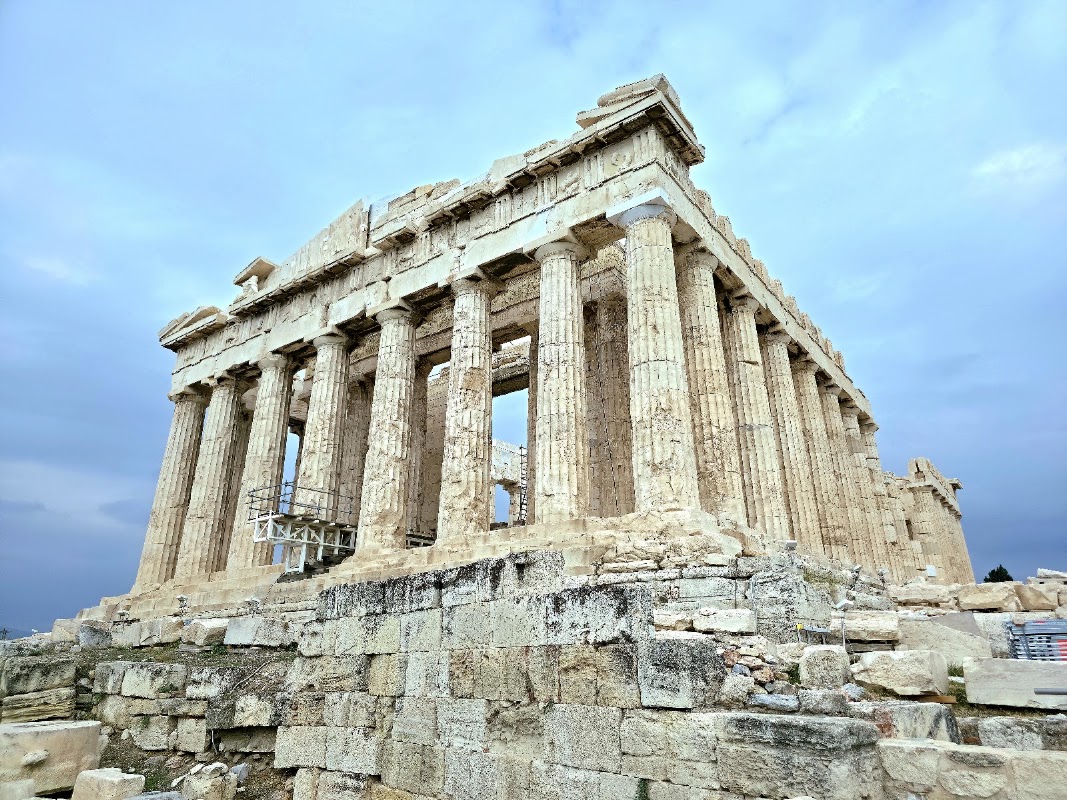
Give the morning to the Acropolis, the fortified hill crowned by the Parthenon that has been the symbol of the city for roughly two and a half thousand years. Go early — both for the temperature and to see the Parthenon's marble catch the first direct light of the day, before the plateau fills in. Beyond the Parthenon itself, the Erechtheion with its carved caryatid columns and the sweeping views over the whole city from the edge of the rock are worth the slow lap around the site. Logistics: there's very little shade up top, so bring water and sun protection; a combined ticket covering the Acropolis and several nearby sites is worth it if you plan to see more than one.

In the afternoon, walk down into Plaka, the old neighborhood at the foot of the Acropolis, with narrow lanes, neoclassical houses, and small squares that turn genuinely charming once the day-trip crowds thin out toward evening. There's no single stop here — the pleasure is in wandering without a destination and letting a lane pull you somewhere unplanned.

Acropolis of Athens

Photo: david ogalla bruno

Acropolis MuseumBackup

Acropolis Museum

If the heat or the crowds on the rock itself are too much, the Acropolis Museum at the foot of the hill is a modern, glass-walled building holding the sculptures and friezes taken down from the site, displayed in air-conditioned comfort with the Acropolis itself visible through the windows above you. It's a genuinely good substitute for a hot afternoon, and gives context you won't get standing on the marble itself. Logistics: a short walk from the Acropolis entrance; budget about an hour and a half.

Acropolis Museum

Photo: BlueSky Studios

Eat & rest

Stay in Plaka for dinner — the lanes are dense with tavernas with tables spilling onto the cobblestones, lit by strings of lights after dark. Walk until a menu and a view of a quiet corner both look right.

Day 2

Ancient Agora and a rooftop sunset

Ancient Agora of AthensAnchor

Ancient Agora of Athens

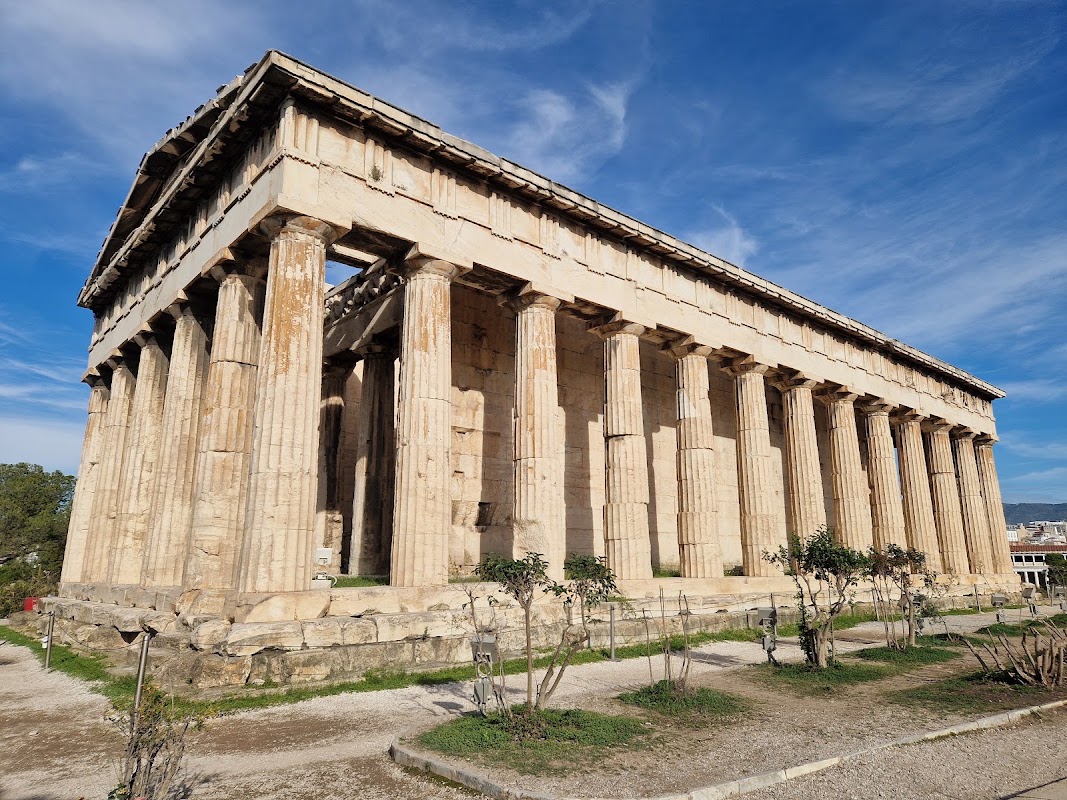
Spend the morning at the Ancient Agora, the marketplace and civic heart of classical Athens, where Socrates is said to have debated philosophy among the very stones you're walking past. It's quieter and greener than the Acropolis, with the well-preserved Temple of Hephaestus at one end and the reconstructed Stoa of Attalos at the other, now a small museum. It's an easier, more contemplative couple of hours than the Acropolis crowds, and a nice contrast to the day before. Logistics: shaded paths and olive trees make it a more comfortable midday visit than the rock above it; the combined Acropolis ticket usually covers this too.

As the afternoon turns to evening, make your way to a rooftop bar with a view back toward the Acropolis — the Athens skyline is low enough that a modest rooftop, several stories up in the neighborhoods around Monastiraki or Plaka, gets you an uninterrupted view of the illuminated rock after dark. Arrive with enough time before sunset to settle in and watch the floodlights come on.

Ancient Agora of Athens

Photo: Willem Brookhuis

Monastiraki Flea MarketBackup

Monastiraki Flea Market

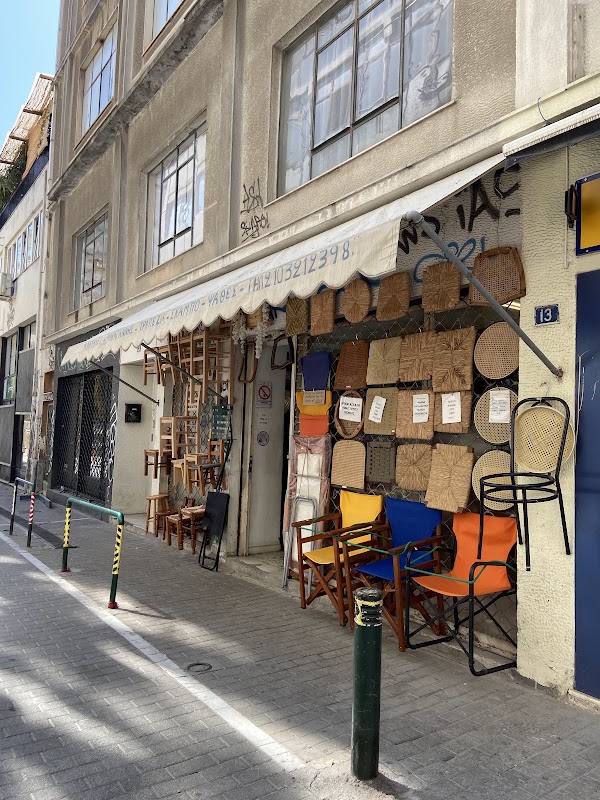
If ruins-fatigue has set in, swap the Agora for a wander through the Monastiraki flea market instead — a sprawling, informal market of antiques, records, and secondhand oddities spilling out from the square of the same name. It's a livelier, less structured way to spend a couple of hours, and it sits close enough to the rooftop bars that the evening plan doesn't need to change. Logistics: busiest on weekend mornings; bargaining is expected at most stalls.

Monastiraki Flea Market

Photo: George Zaf

Eat & rest

For dinner, the streets around Monastiraki and Psyrri are full of casual souvlaki spots and mezedopoleia built for ordering several small plates between you rather than one main course each.

Day 3

A hill for the view, an evening by the sea

Lycabettus HillAnchor

Lycabettus Hill

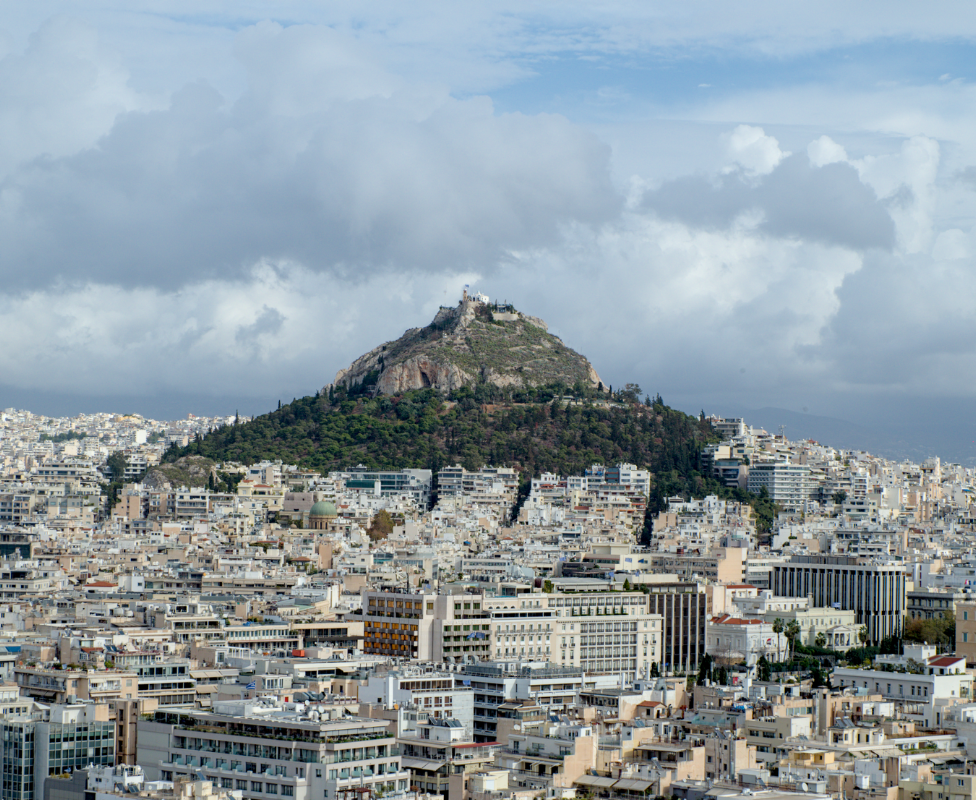
Climb (or take the funicular up) Lycabettus Hill, the highest point in central Athens, for a panoramic view that takes in the whole city with the Acropolis sitting below you for once instead of above. It's a different, wider perspective on the two days you've just spent walking through the streets below, and it's quiet enough in the late afternoon to feel like your own private lookout. Logistics: the funicular is the easier option if you'd rather save your legs; the summit chapel and a small café make it worth lingering rather than just snapping a photo and leaving.

For a change of scenery on your last evening, head to Piraeus, the port city that's effectively Athens' seafront, and walk along Mikrolimano — the small marina lined with fish tavernas where the boats bob right beside your table. It trades ancient ruins for open water and a fresh catch, and it's the kind of low-key, unhurried evening that closes out a city break well. Logistics: a short metro ride from central Athens; go for the later, cooler part of the evening.

Lycabettus Hill

Photo: Felipe Rocha

National GardenBackup

National Garden

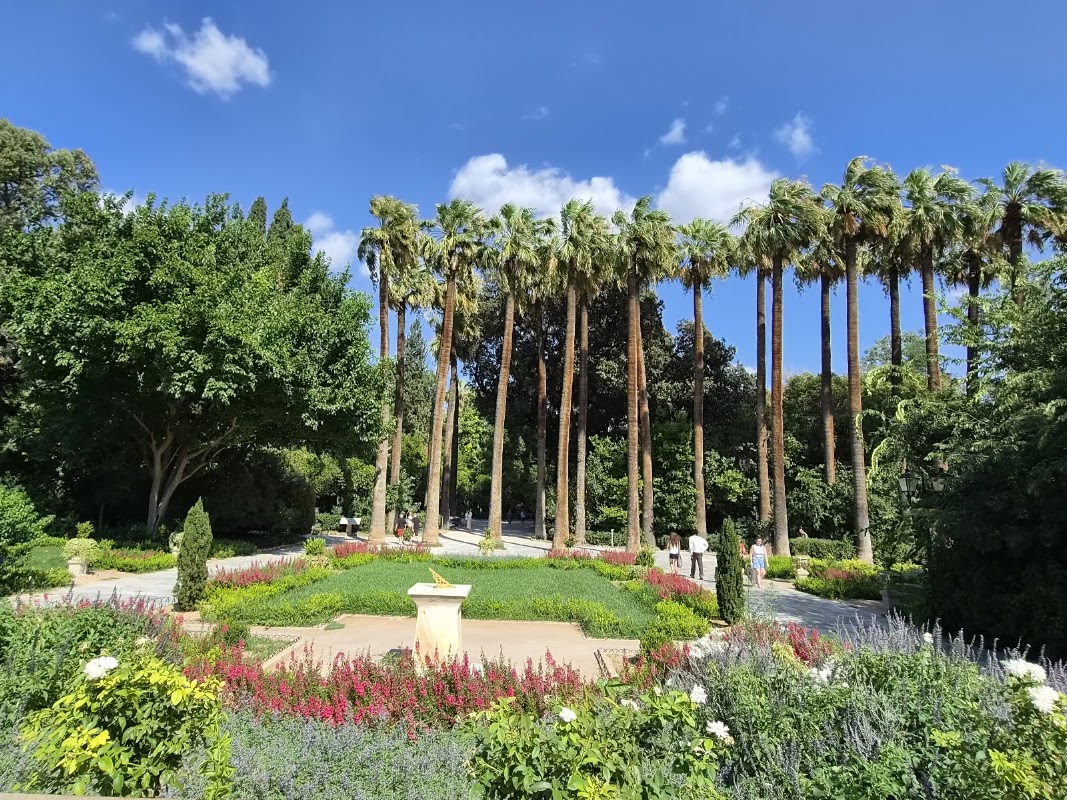
If the hill climb feels like too much on a last day, the National Garden behind the Greek Parliament is a shaded, quiet park right in the center — winding paths, small ponds, and a duck pond café that make for an easy, low-effort couple of hours without leaving downtown. Logistics: entrances are along Vasilissis Amalias and Vasilissis Sofias avenues; free to enter.

National Garden

Photo: Itai Makmal

Eat & rest

If Piraeus feels like too far a trip on a last night, the neighborhood of Koukaki near the Acropolis has quietly become one of the best dinner areas in the city, with small modern Greek kitchens a short walk from most central hotels.

Rainy-day and heat-of-the-day indoor backups

Indoor options that work regardless of weather:

  • Acropolis Museum — air-conditioned, and holds the sculptures taken down from the rock itself; see Day 1.
  • National Archaeological Museum — one of the great collections of ancient Greek art anywhere, well outside the main tourist crush.
  • Benaki Museum — Greek history and art across several eras, in a converted neoclassical mansion.
  • Stoa of Attalos museum, in the Ancient Agora — small, shaded, and a quick indoor break mid-visit.

Where to eat and drink

Real neighborhoods and clusters worth building a meal around:

  • Plaka — lantern-lit tavernas with tables on the cobblestones, best after the day-trip crowds thin out.
  • Monastiraki and Psyrri — casual souvlaki and mezedopoleia for a share-everything dinner.
  • Mikrolimano, Piraeus — fish tavernas right on the marina, worth the metro ride for a change of scenery.
  • Koukaki — a quieter, more residential neighborhood near the Acropolis with a strong run of modern Greek kitchens.

Make this Athens plan yours

Tell WonderKit your dates and who's coming, and we'll rebuild this around your group in about a minute — everyone votes on the plan, and costs split automatically. One subscription, the whole group.

One of 46 ready-made WonderKit plans across 33 cities

No credit card · ready in about a minute

Keep exploring