Naples is louder, older, and more layered than most Italian city breaks, and that's exactly its appeal for a couple who'd rather wander a working city than tick off a polished one. This plan pairs the tangled lanes of the historic center with the quieter seafront promenade, gives you one anchor a day, and leaves plenty of room for the thing Naples does better than anywhere on earth — a proper Neapolitan pizza, eaten without ceremony. Each day has an easy backup for when the heat or the crowds argue for something calmer, and the whole historic core is compact enough to cover on foot.
3-day plan6 stopsCouples weekendNaples
Planned by Wonder· built from real, checked placesReal places
Spend the day wandering the Quartieri Spagnoli, the dense grid of narrow streets climbing the hill behind Via Toledo — laundry strung between balconies, small shrines tucked into corners, and a street life that spills out of doorways rather than staying indoors. It's one of the most atmospheric neighborhoods in the city precisely because it isn't dressed up for visitors; go slowly, let a lane pull you uphill, and don't worry about a map. Logistics: steep in parts and cobbled throughout, so comfortable shoes matter; it's safe to wander by day, though it pays to stay aware of your surroundings as in any dense urban quarter.
Down at the bottom of the hill, Via Toledo is the wide shopping street that separates the Spanish Quarter from the rest of the historic center, and a good place to regroup before deciding on lunch.
Quartieri Spagnoli
Photo: Tony Hanting Tony
Backup
Certosa e Museo di San Martino
If the Spanish Quarter's hills and heat feel like too much, the Certosa di San Martino sits above the neighborhood on its own hill, a former monastery turned museum with cloisters, baroque decoration, and one of the best panoramic views of the bay in the city. It's a calmer, more contained couple of hours than wandering the streets below, and the view alone is worth the climb or the funicular ride up. Logistics: reachable by funicular from the lower town, which saves the legs the steepest part of the climb.
Certosa e Museo di San Martino
Photo: Certosa di San Martino
Eat & rest
For your first Neapolitan pizza, this is the city that invented it, so treat one dinner as non-negotiable — a proper margherita or marinara from a pizzeria that's been doing it for generations, eaten simply, without much ceremony. The historic center has several storied ones; walk toward one rather than settling for whatever's closest to the hotel.
Day 2
Underground Naples and Via San Gregorio Armeno
Anchor
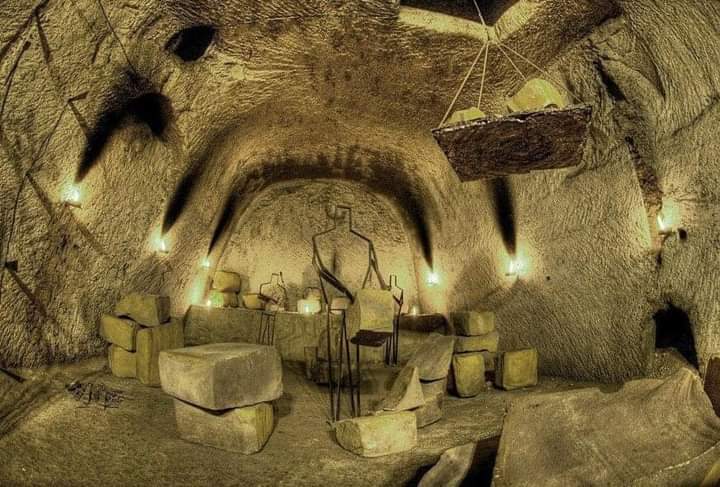
Napoli Sotterranea
Give the morning to Napoli Sotterranea, a guided descent into the tunnels and chambers carved beneath the city over more than two thousand years — Greek and Roman aqueducts, cisterns, and World War II air-raid shelters, all stacked beneath the streets you were walking the day before. It's a genuinely different way to understand how deep the city's history runs, literally. Logistics: guided tours run on a schedule and involve some narrow passages and stairs, so it's worth booking ahead and wearing shoes you don't mind getting a little dusty.
Back at street level, walk the decumani — the old Greek and Roman east-west streets that still form the spine of the historic center — toward Via San Gregorio Armeno, the lane famous for its artisan workshops making nativity figurines and other handcrafted pieces year-round. Even without a particular reason to buy anything, it's a small, characterful stop that shows off a craft tradition unique to the city.
Napoli Sotterranea
Photo: G.A.B. Relu B.
Backup
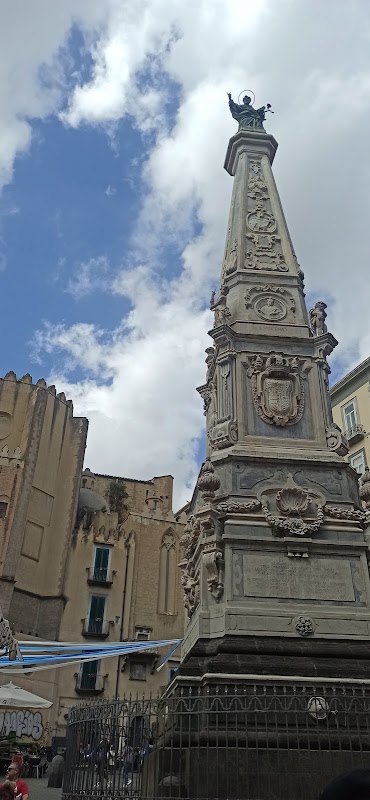
Duomo di Napoli
If the underground tour doesn't fit your schedule, the Duomo di Napoli — the city's cathedral — is a short walk along the decumani and holds the chapel of San Gennaro, the city's patron saint, along with the Succorpo crypt and the older basilica of Santa Restituta, whose excavated floor exposes a Roman-era archaeological zone beneath the church. It's a faster, more flexible stop that still gets at the same layered history without needing a booked tour time — the actual catacombs of San Gennaro, cut into the hillside at Capodimonte, are a worthwhile separate excursion if you have the time for it. Logistics: on the decumani route, so it costs little extra walking if you're headed that way regardless.
Duomo di Napoli
Photo: Tra My Le
Eat & rest
Stay in the historic center for dinner — the streets around the decumani are dense with small trattorias serving Neapolitan classics like ragù and fried specialties, good for an easy walk-until-you-find-it evening.
Day 3
The Lungomare and a view of the bay
Anchor
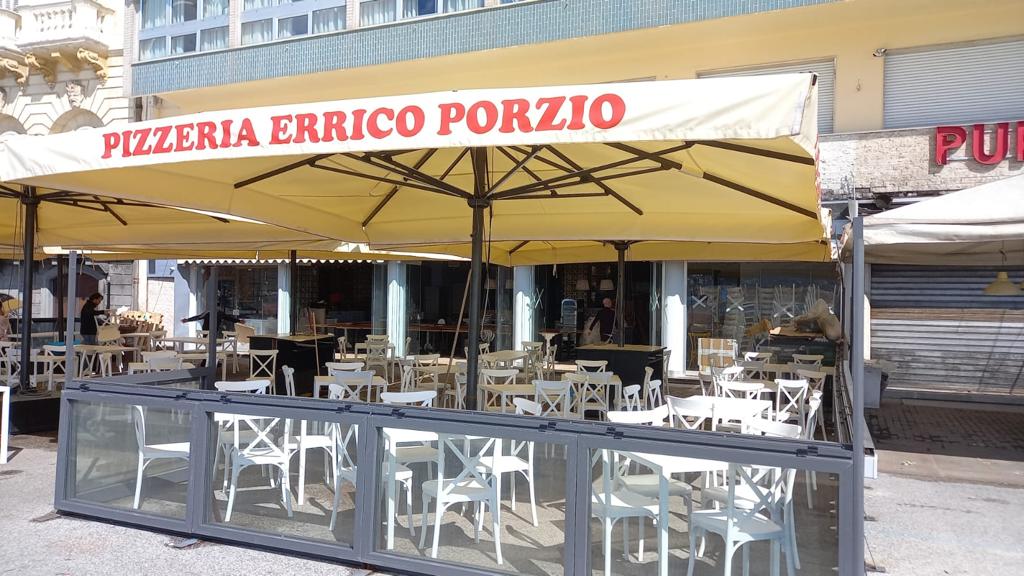
Lungomare di Napoli
Spend the afternoon on the Lungomare, the long seafront promenade that curves along the Bay of Naples with Mount Vesuvius visible across the water on a clear day. It's a pedestrianized stretch made for a slow walk, hand in hand, with nowhere in particular to be — a welcome change of pace from two days in the dense historic center. Logistics: flat, wide, and easy underfoot the whole way; go in the late afternoon as the heat eases.
End at Castel dell'Ovo, the small seafront castle on a rocky islet connected to the mainland by a short causeway — one of the oldest fortifications in the city, and a natural place to watch the sun go down over the bay with Vesuvius silhouetted in the distance. Logistics: the castle interior is often free to enter and worth the short walk out onto the islet even just for the terrace views.
Lungomare di Napoli
Photo: Pizzeria Errico Porzio Lungomare
Backup
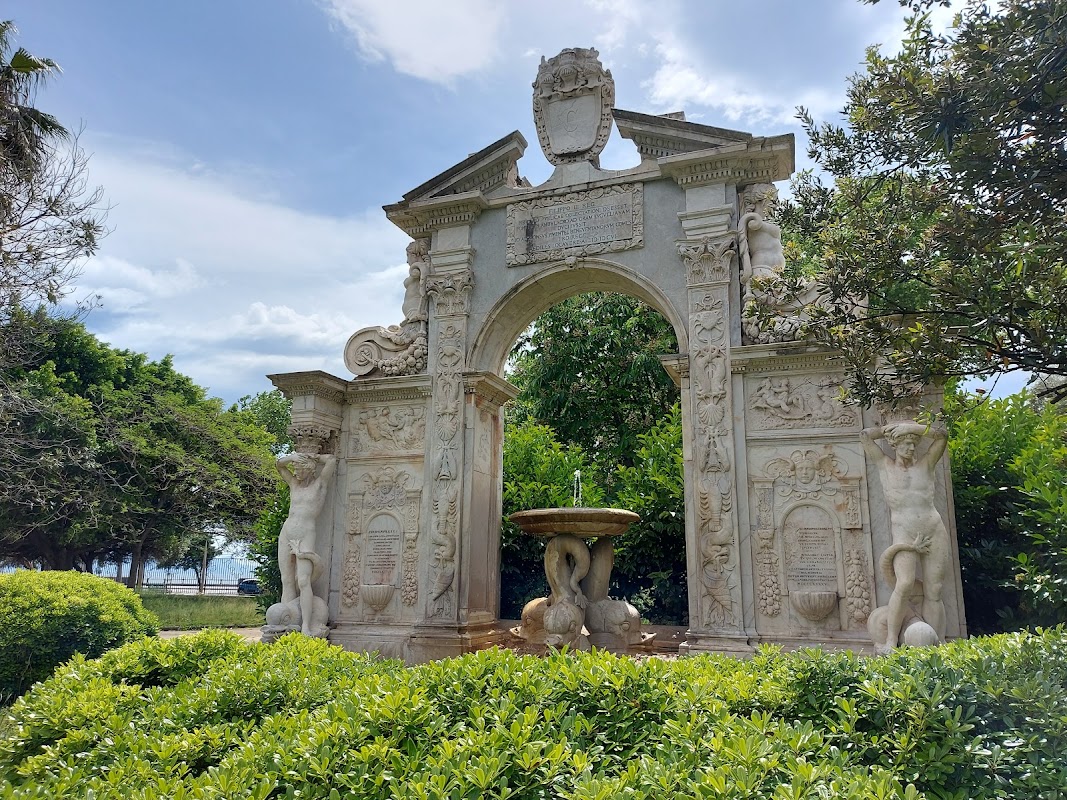
Villa Comunale
If the Lungomare's sun feels like too much for a slow walk, the Villa Comunale is the shaded public garden running parallel to the seafront, with benches, palm trees, and the same bay views filtered through greenery. It's a cooler, gentler alternative that still ends up close enough to Castel dell'Ovo for the same sunset finish. Logistics: runs alongside the Lungomare, so you can duck in and out of the shade as needed.
Villa Comunale
Photo: Peter
Eat & rest
For a last dinner, the streets just inland from the Lungomare around Chiaia are a quieter, more polished contrast to the historic center's chaos — a good note to end the trip on before an early flight.
Rainy-day indoor backups
Indoor options that hold up regardless of weather:
Napoli Sotterranea — underground the whole time by definition; see Day 2.
Museo Archeologico Nazionale di Napoli — one of the great archaeological collections anywhere, including treasures from Pompeii and Herculaneum.
Certosa e Museo di San Martino — cloisters and galleries above the Spanish Quarter, with covered viewing terraces.
Castel dell'Ovo — much of the interior walkway is covered stone passage, sheltered from rain.
Where to eat and drink
Real spots and clusters worth building a meal around:
Historic-center pizzerias — Naples invented the dish; make at least one dinner a proper margherita or marinara.
Decumani trattorias — small kitchens along the old Greek-Roman streets, good for ragù and fried Neapolitan classics.
Chiaia — a quieter, more polished neighborhood near the seafront, good for a calmer last dinner.
Lungomare cafés — for an aperitivo with a bay view before or after a sunset walk.
Make this Naples plan yours
Tell WonderKit your dates and who's coming, and we'll rebuild this around your group in about a minute — everyone votes on the plan, and costs split automatically. One subscription, the whole group.