Crete is a big island, and trying to see all of it in five days with young kids means a lot of car time and not enough beach time. This plan instead uses two bases: three nights around Chania in the west, then two nights near Heraklion in the centre, so you get one manageable transfer rather than criss-crossing the island. Renting a car is close to essential here — public transport between the sights below is slow and infrequent.
Crete's real strength with kids is its beaches: shallow, warm, calm water that's genuinely safe for splashing rather than the deeper water and surf you'll find at many other Greek beaches. This plan pairs one real anchor a day — a beach, a palace, an old town, a museum — with an easy backup and a lot of built-in swimming, because with young kids the water is often the actual point of the day.
How to read this: each day has one main thing, an easy backup, and a note on eating and resting. Two practicalities. First, the Cretan sun is intense even outside peak summer — hats, reef-safe sunscreen, and a shaded rest at midday are not optional with young kids. Second, many archaeological sites and Old Town lanes are cobbled or gravelled, so a stroller is more trouble than it's worth; a light carrier works far better for the youngest.
5-day plan10 stopsFamily tripCrete
Planned by Wonder· built from real, checked placesReal places
Flat, shaded lanes, cats to spot, and a lighthouse to walk to — an easy landing day. The old town is fully walkable from most Chania accommodation; park once and leave the car for the day.
Anchor
Venetian Harbour of Chania
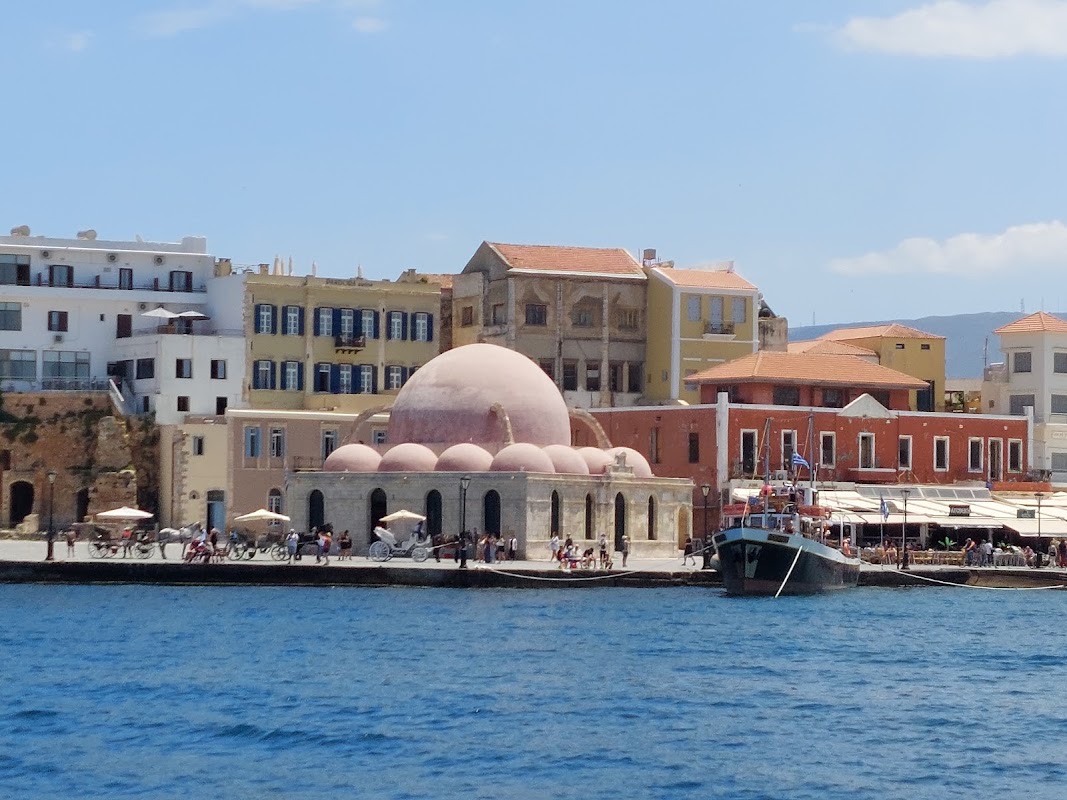
Ease into the island with a gentle first day around Chania's old harbour, built by the Venetians in the 14th century and still ringed by pastel-coloured buildings, waterfront cafés, and a lighthouse at the harbour mouth. It's flat, walkable, and endlessly photogenic without asking much of tired travel legs — perfect for a jet-lagged arrival day.
The narrow lanes of the old town behind the harbour, part Venetian and part Ottoman in character, are easy to wander without a plan: small shops, cats sunning on doorsteps, and enough shade in the covered alleys to escape the midday sun. Walk out to the lighthouse along the harbour wall for the best view back over the town.
Venetian Harbour of Chania
Photo: Johanne Pearl Couturier
Backup
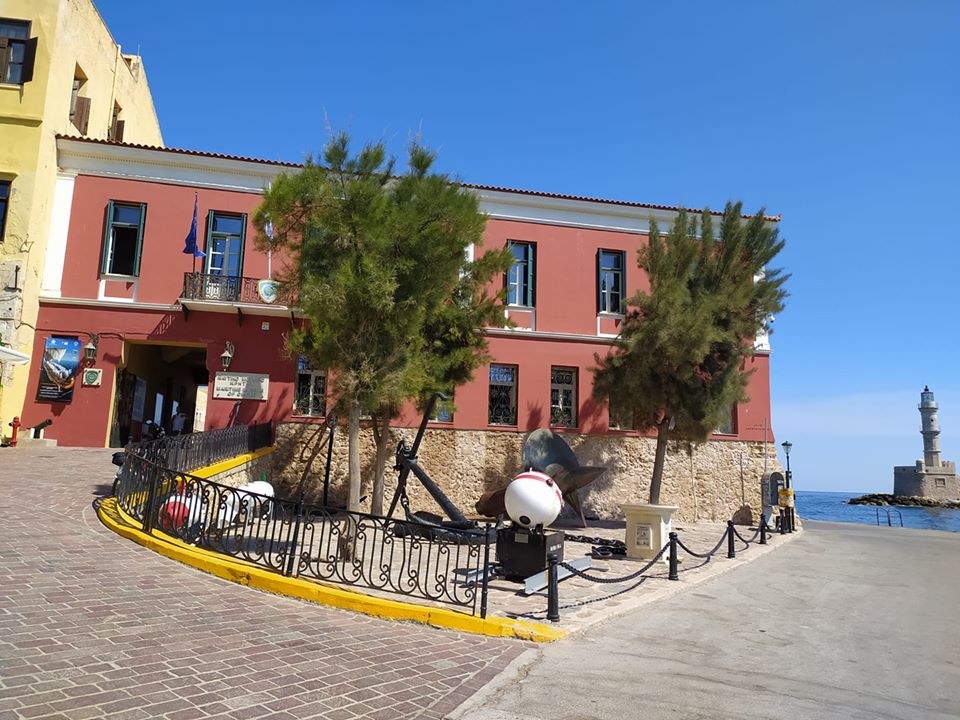
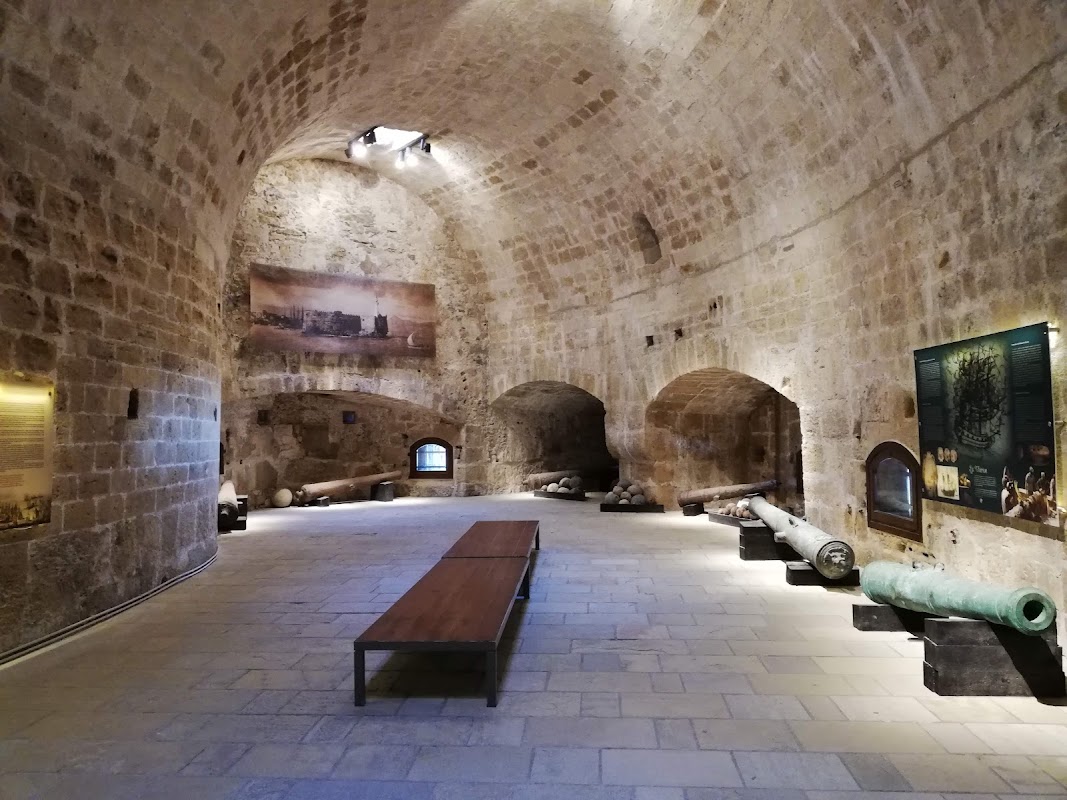
Maritime Museum of Crete
If the harbour crowds feel like a lot on arrival day, the Maritime Museum of Crete, set inside the old Firka Fortress right at the harbour mouth, is a small, cool, indoor stop covering the island's seafaring history with ship models and old maps — an easy half-hour that doesn't ask much of a jet-lagged crew.
Maritime Museum of Crete
Eat & rest
The harbourfront is lined with tavernas; pick one with a view rather than worrying too much about which is "best" — quality is consistently decent across the strip. Keep the evening short and let everyone recover from travel; there's no need to rush on day one.
Day 2Full day
A shallow lagoon beach
A note from Wonder
The shallow lagoon is about as safe as sea swimming gets for a six-year-old. A rental car is essentially required; the road has many bends, so allow extra time and stop if anyone gets carsick.
Anchor
Elafonisi Beach
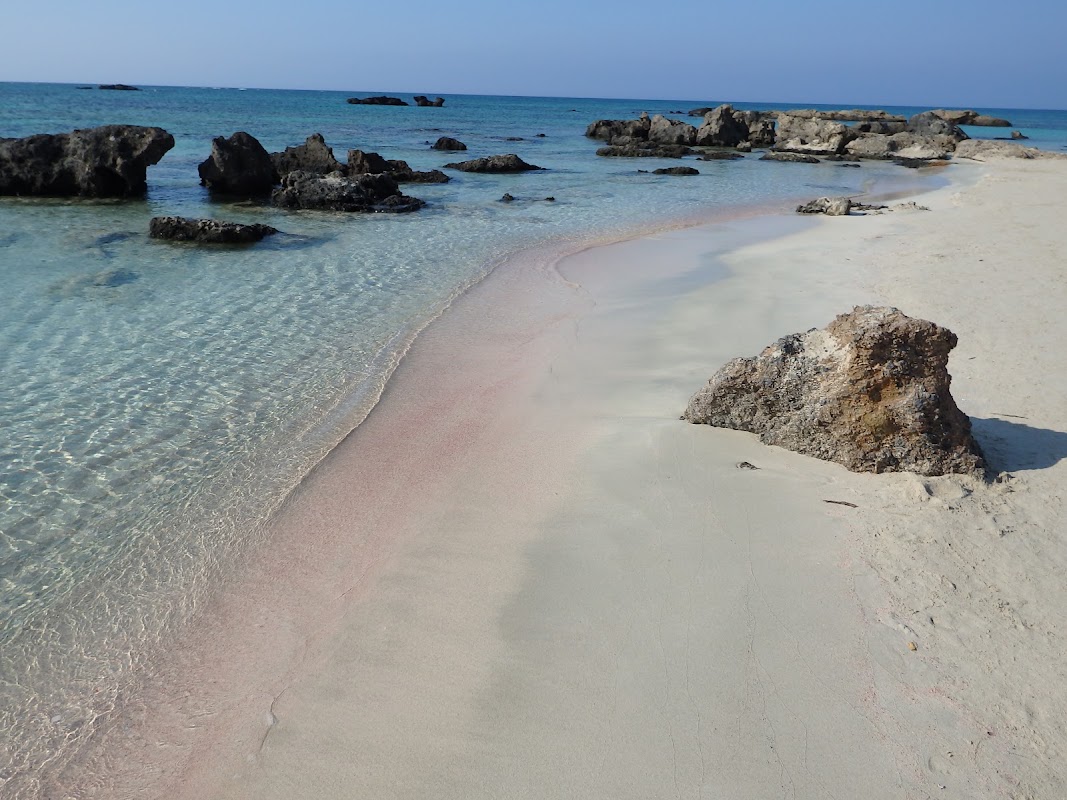
Elafonisi, on the southwest tip of the island, is one of the best beach days in Crete for young kids specifically because of its lagoon: a wide, shallow, warm sandbar you can wade across to a small islet, with sand tinted pink in places from crushed shell. The water on the lagoon side barely reaches an adult's knees in long stretches, which makes it about as safe and calm as sea swimming gets.
The drive from Chania takes about two hours each way on winding mountain roads, so budget the whole day around it rather than treating it as a quick trip — leave early, bring everything you need (shade, snacks, water), and plan to be there for several hours to make the drive worthwhile.
Elafonisi Beach
Photo: despotis
Backup
Agii Apostoli Beach
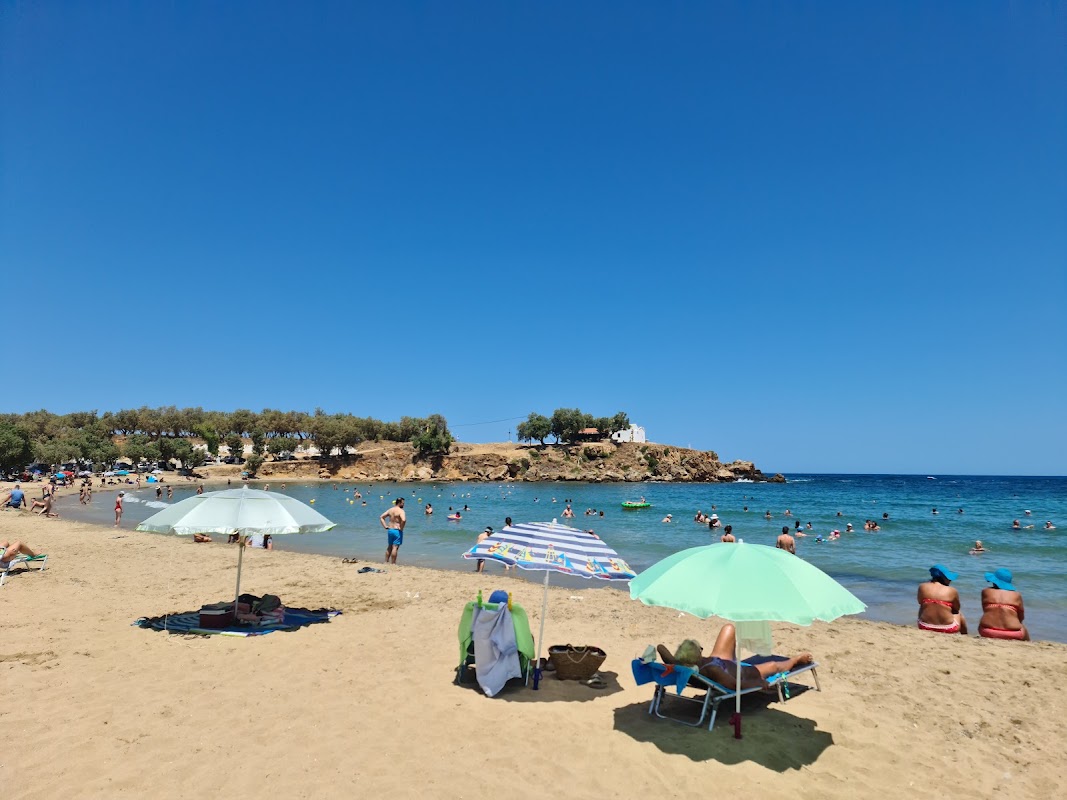
If a long drive on day two feels like too much, the small coves at Agii Apostoli are just a few minutes from Chania town — shallow, sheltered water in a series of little bays, with none of Elafonisi's drama but none of its travel time either. A perfectly good beach afternoon with much less logistics.
Agii Apostoli Beach
Photo: Ádám Kézdi
Eat & rest
There are simple beachside tavernas at Elafonisi for lunch, but they can get busy in high season — a packed lunch and plenty of water is a safer bet with young kids. On the drive back, the hill villages along the way have small cafés if anyone needs a break.
Day 3Half day
A museum morning, then packing up
A note from Wonder
A short, digestible museum and a genuinely light day before a base change. The museum sits in Halepa, a short taxi or drive from the old town; the drive to the Heraklion area takes closer to two hours on the national road.
Anchor
Archaeological Museum of Chania
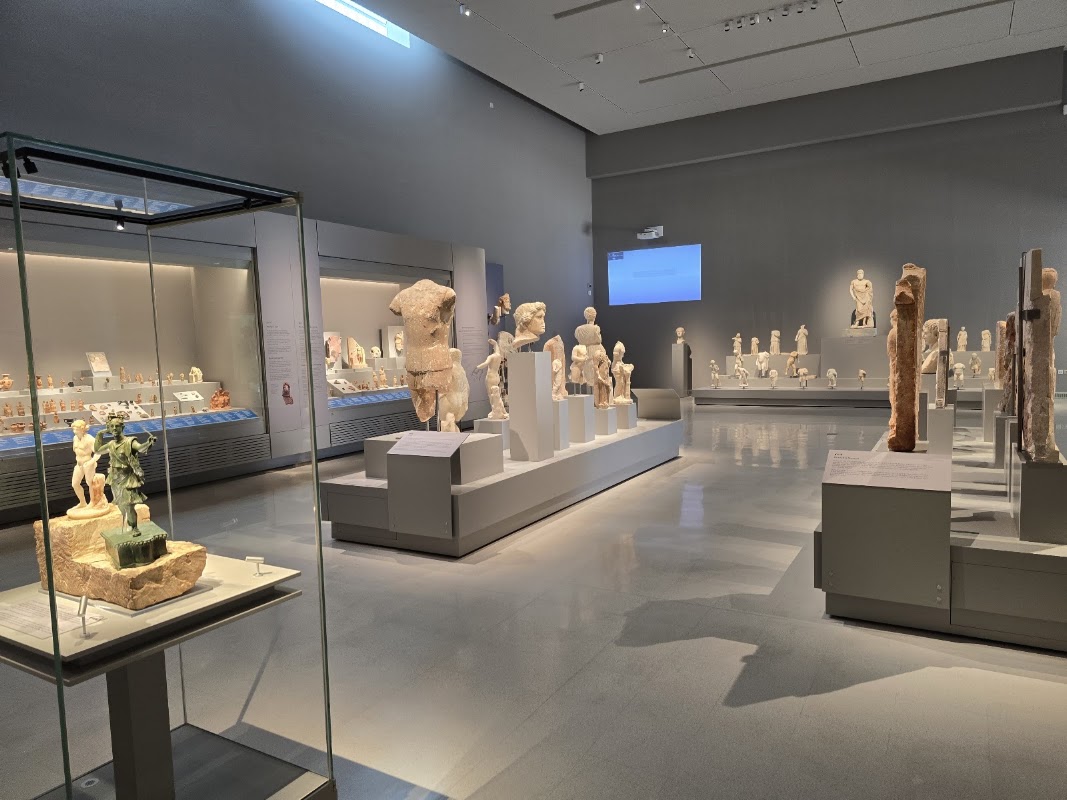
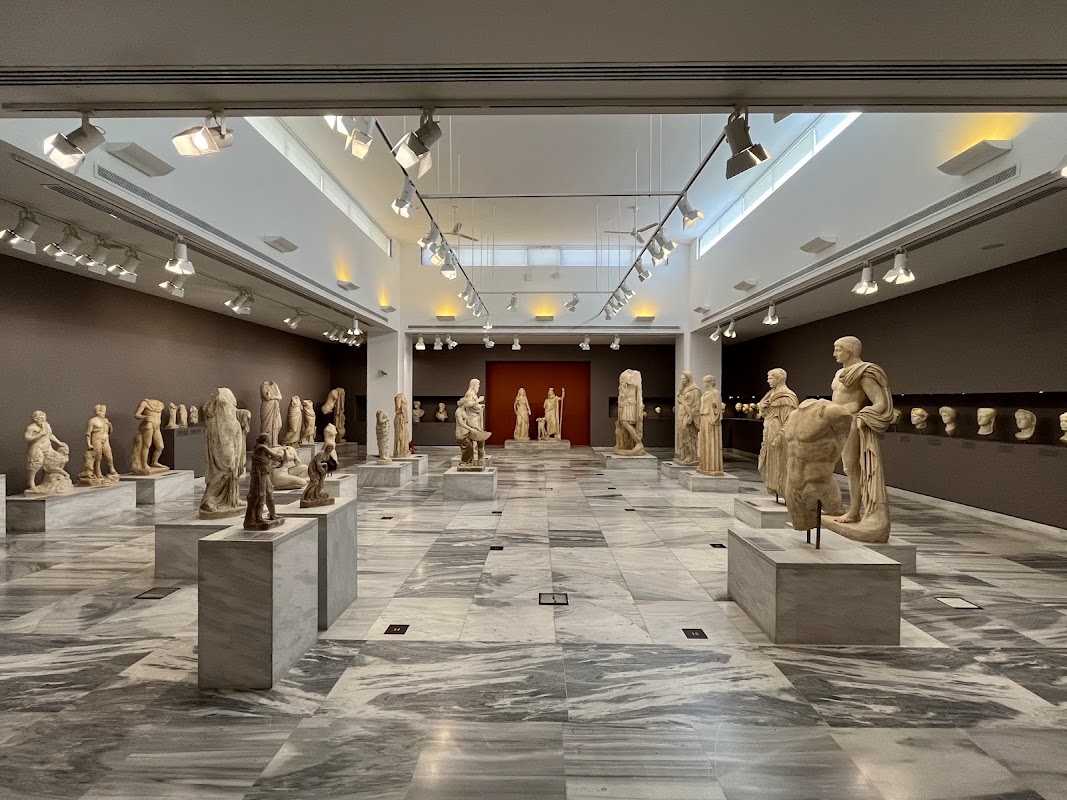
Use a quieter, lower-key day before the transfer east. The Archaeological Museum of Chania is housed in a striking building in Halepa, perched over the sea a short taxi or drive from the old town rather than a walk-in stop — inside, it holds finds from across western Crete spanning thousands of years, pottery, jewellery, and everyday objects displayed at a scale that doesn't overwhelm younger visitors the way a huge national museum might. It's compact enough to see properly in under an hour, which suits shorter attention spans.
Afterwards, there's no rush — this is deliberately the lightest day of the trip, built around packing, a last wander through the old town, and getting ready for the drive to Heraklion, closer to two hours away depending on the route.
Archaeological Museum of Chania
Photo: Veronique Eichler
Backup
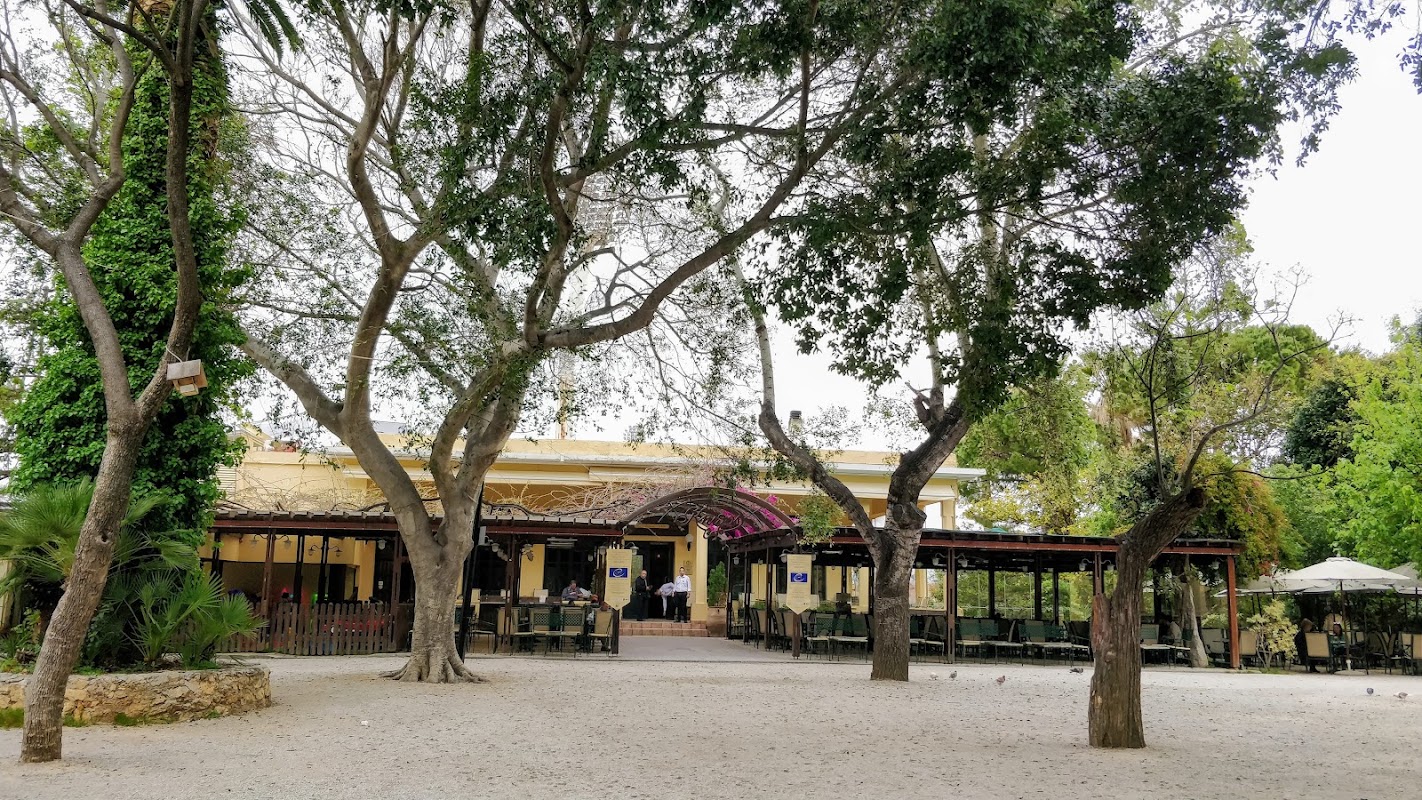
Municipal Garden of Chania
The Municipal Garden in the new town is a small, shaded park with a modest playground and a café — an easy, unticketed spot to let kids run for half an hour between packing and the drive, without needing to plan anything around it.
Municipal Garden of Chania
Photo: DM
Eat & rest
Keep lunch simple and eat before the drive east — a taverna or bakery in Chania rather than hunting for something along the highway. Arrive in the Heraklion area with enough daylight left for a swim or a walk before dinner.
Day 4Half day
Knossos Palace and the Heraklion harbour
A note from Wonder
Giant jars, strange staircases, and a legendary story that lands well with a nine-year-old. Knossos is a short drive or bus ride from central Heraklion; go at opening and bring hats and water — there's almost no shade on site.
Anchor
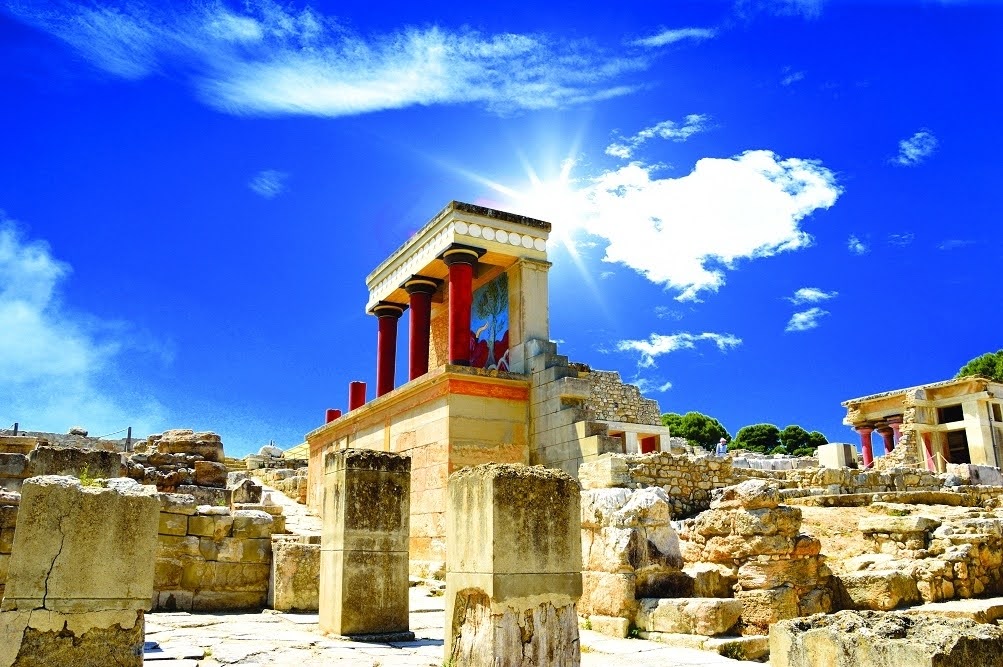
Palace of Knossos
Knossos, just outside Heraklion (about two hours' drive from Chania), is the largest and most famous Bronze Age palace complex on Crete, associated with the legend of the Minotaur and its labyrinth. For kids, the appeal is less the archaeology lecture and more the sheer scale and strangeness of the ruins — staircases leading nowhere, giant storage jars taller than they are, and reconstructed painted columns that give a real sense of colour against the pale stone.
Go in the morning before the heat sets in; there's little shade across the site. A short, kid-paced walk-through of the main courtyards and the famous throne room area is enough — you don't need to trace every corridor to make the visit worthwhile.
Palace of Knossos
Photo: freddy B
Backup
Koules Fortress
If Knossos feels like too much sun or too much walking for the day, the Venetian-built Koules Fortress guarding Heraklion's old harbour is a compact, climbable alternative — thick stone walls, a rooftop with harbour views, and none of the sprawl of a full archaeological site.
Koules Fortress
Photo: maurizio culatti
Eat & rest
Heraklion's old harbour, right by the fortress, has a good run of tavernas for lunch or dinner with a view over the fishing boats. It's an easy, walkable evening spot to wind down after a hot morning at the ruins.
Day 5Half day
An aquarium and a last swim
A note from Wonder
Sharks and rays with zero sun exposure, then a final swim nearby — a gentle, satisfying close. CretAquarium is a short drive east of Heraklion, close to the Hersonissos beach strip.
Anchor
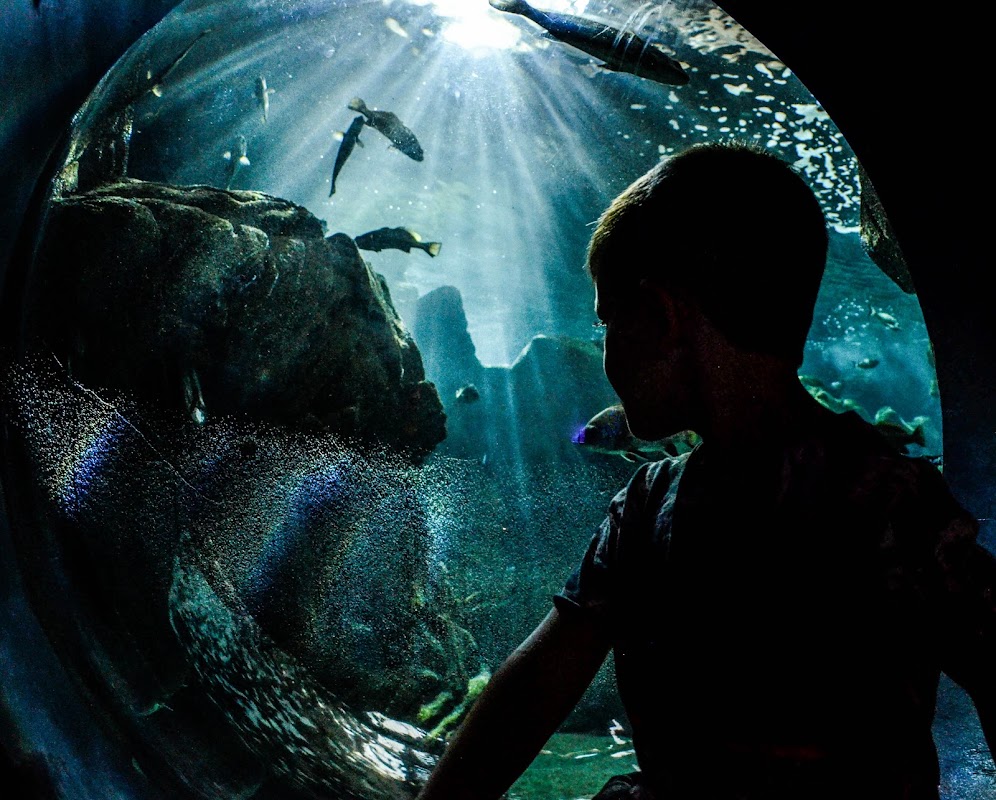
CretAquarium
End the trip somewhere cool and indoors. CretAquarium, just east of Heraklion, is a large, long-established aquarium built around Mediterranean marine life — sharks, rays, and colourful reef fish in a series of big tanks, with a walk-through tunnel that's usually the highlight for younger visitors. It takes a couple of hours and needs no planning around weather or sun.
It's a good choice for a last day because it's low-effort and satisfying regardless of how tired everyone is after four busy days, and it sits close enough to good beaches nearby that you can easily pair it with a final swim.
CretAquarium
Photo: CRETAquarium Thalassokosmos
Backup
Heraklion Archaeological Museum
Back in central Heraklion, the Archaeological Museum holds the single best collection of Minoan artefacts anywhere, including finds from Knossos itself. It's a bigger museum than Chania's and better suited to slightly older kids who enjoyed the palace the day before and want the context behind it.
Heraklion Archaeological Museum
Photo: Martin Pavel
Eat & rest
The beaches around Hersonissos and Malia, near the aquarium, have plenty of casual beach bars for a final relaxed lunch by the water. For a last dinner, head back to Heraklion's old harbour for one more taverna meal with a view before the trip ends.
Rainy day or heat-of-the-afternoon backup (indoors)
Crete is dry and sunny most of the year, but the midday heat in the warmer months is the real thing to plan around. Keep these in your back pocket:
CretAquarium (near Heraklion) — the big indoor anchor: sharks, rays, and a walk-through tunnel, with no weather dependency at all (see Day 5).
Archaeological Museum of Chania and Heraklion Archaeological Museum — both cool, shaded, and quick enough for a mid-length visit.
The old town's covered lanes and the Maritime Museum of Crete (at the Firka Fortress, harbour mouth) — shaded, atmospheric, and a good midday retreat between old-town wandering.
A note on timing: aim to be off any beach or archaeological site by early afternoon in high summer, and use the hottest hours for museums, markets, or a pool.
Eating in Crete with kids
Cretan taverna food is simple, fresh, and mild by default — good news for cautious eaters:
Souvlaki and gyros — grilled meat on a stick or wrapped in pita; the easiest, most reliably kid-friendly order anywhere on the island.
Greek salad, tzatziki, and fresh bread — mild, familiar flavours that make a good shared starter for the table.
Loukoumades (fried dough balls with honey) — the go-to dessert kids tend to love; found at most tavernas and bakeries.
A note on timing: Cretan dinner tends to start late, but tavernas are used to families and rarely mind an earlier seating if you ask.
Make this Crete plan yours
Tell WonderKit your dates and who's coming, and we'll rebuild this around your group in about a minute — everyone votes on the plan, and costs split automatically. One subscription, the whole group.