Rome is a city of enormous, ancient things, and the trap with kids is trying to see all of them at museum pace. This plan gives every day one real anchor, an easy backup, and a deliberate mix of ruins, parks, and gelato so the ancient history is balanced by places built for running around. Rome's cobblestones and hills are genuinely hard on strollers — a light umbrella stroller or a carrier for the youngest works far better than anything full-size.
Summers here run very hot, so mornings are for the big outdoor sights and afternoons are for parks, shade, or something indoors. The center is compact and mostly walkable, but distances still add up on small legs — this plan pairs one ticketed or marquee stop with a park or a long lunch most days so nobody melts down at 3pm.
How to read this: each day has one main thing, an easy backup, and a note on eating and resting. Two practicalities. First, book timed entry for the Colosseum and the Vatican in advance online — walk-up queues in high season run for hours. Second, tap water is genuinely excellent and free: Rome's public drinking fountains (nasoni) are everywhere, so bring refillable bottles rather than buying water constantly.
5-day plan10 stopsFamily tripRome
Planned by Wonder· built from real, checked placesReal places
It's the visual set-piece of the trip and needs zero explanation to land. Metro B to Colosseo. Book timed tickets online in advance; go at opening and bring water and hats — there is almost no shade inside.
Anchor
Colosseum
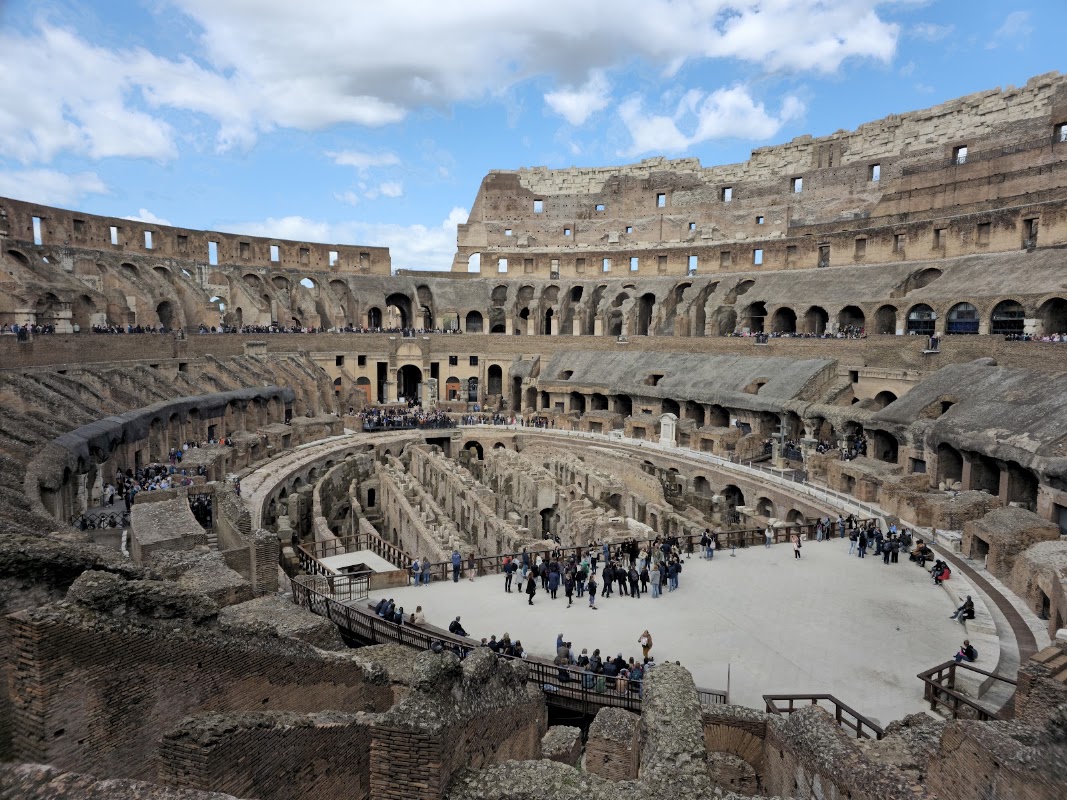
Start with the big one, at opening. The Colosseum, finished around 80 AD, is pure spectacle for kids — a stadium the size of a modern arena, still mostly standing, with the underground passages where gladiators and animals once waited visible from above. It needs almost no explanation to land; it's simply the biggest, oldest structure most children will ever stand inside.
A combined ticket usually includes the Roman Forum next door, but with young kids, treat the Forum as optional and short — it's a field of impressive but explanatory ruins that reads better to older kids and adults. Book timed tickets online well ahead, and go first thing in the morning before both the queues and the heat build.
Colosseum
Photo: Steven Guillemet
Backup
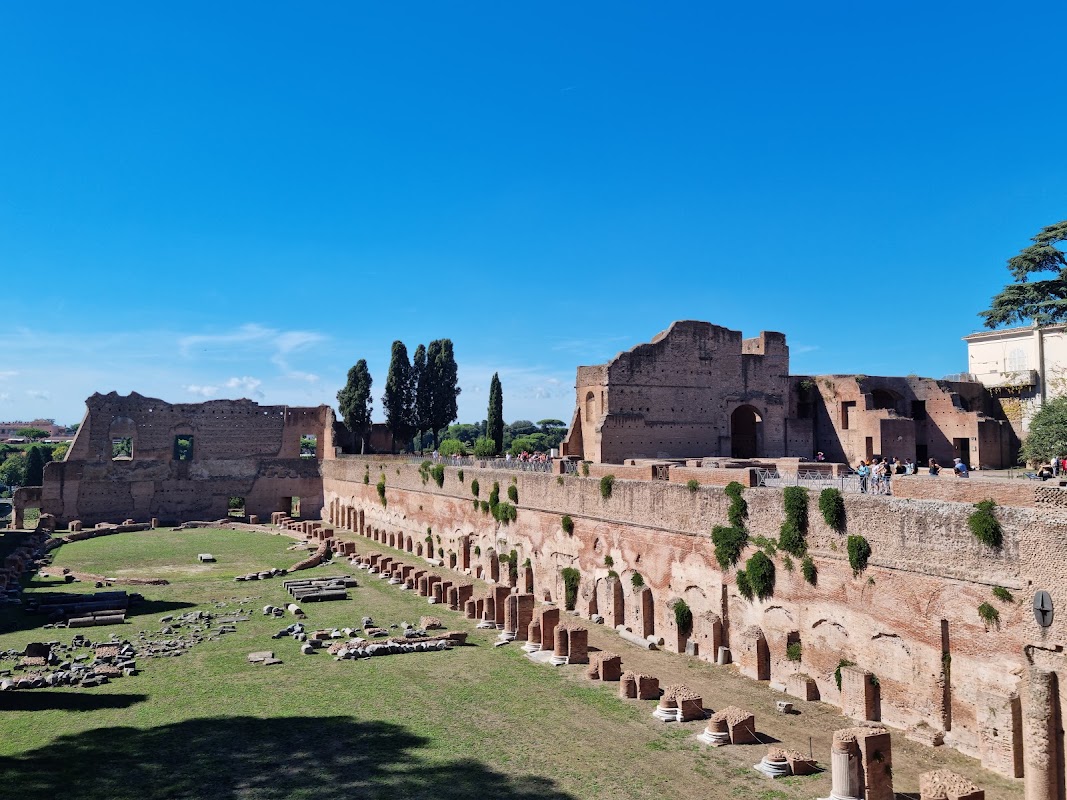
Palatine Hill
If the Colosseum queue or the crowds inside feel like too much, Palatine Hill — included on the same combined ticket — is quieter, shadier, and has sweeping views down over the Forum and the Circus Maximus. It's a gentler, greener way to get a sense of ancient Rome without the density of the amphitheatre crowds.
Palatine Hill
Photo: Kathleen Duffy
Eat & rest
There's little shade or food right at the site, so plan lunch away from it — the streets around Monti, just north of the Colosseum, have relaxed trattorias and pizza-by-the-slice spots that don't mind children. Treat the afternoon as downtime; Day 1 is usually a jet-lagged day and the ancient sights are physically tiring even for adults.
Day 2Half day
Rowboats in the park, then the zoo
A note from Wonder
Boats to row, space to run, and a zoo next door — the cheapest, easiest day of the trip. Enter near Piazzale Flaminio or from Piazza del Popolo; the park is large, so pick one corner and stay in it rather than trying to cross the whole thing.
Anchor
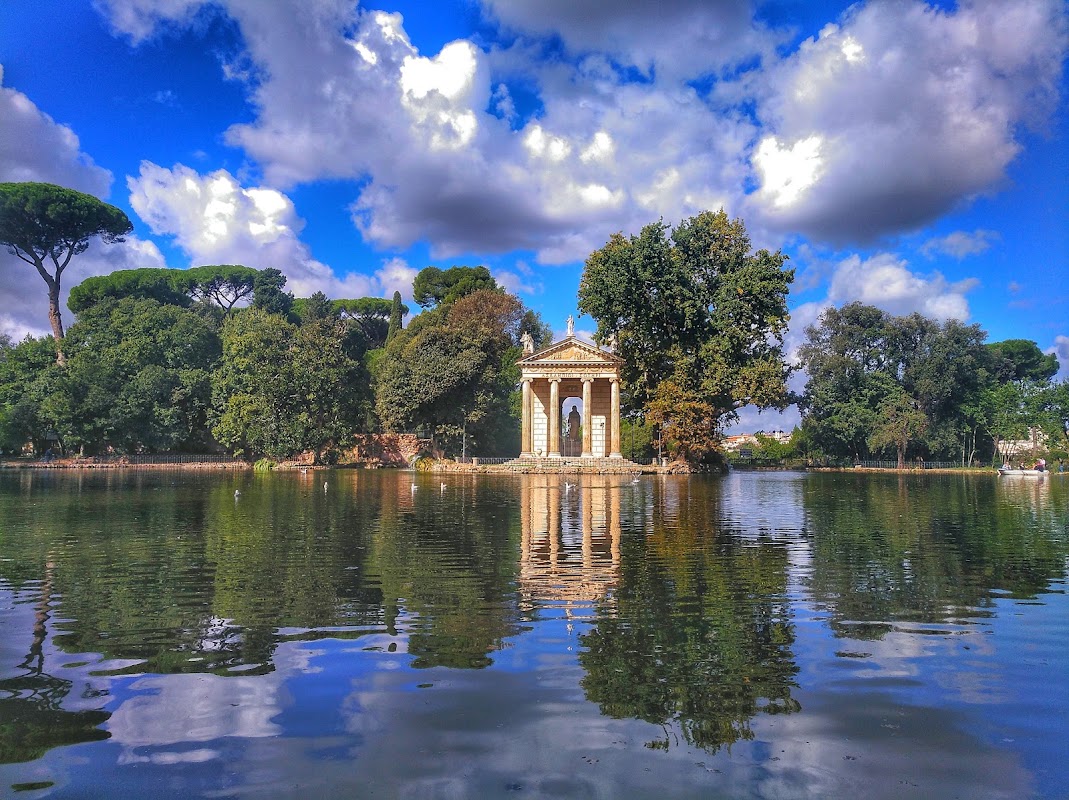
Villa Borghese
Rome's grand central park, laid out from the 17th century onward, is the family reset day the trip needs. There's a lake with rowboats for hire, wide paths perfect for a rented bike or a four-seat pedal cart, playgrounds, and enough shade to make even a hot afternoon bearable. It costs almost nothing and there's no ticket or timed entry to plan around — just show up and let the kids set the pace.
The park also has a small vintage carousel near the Pincio terrace, and the terrace itself gives a lovely view out over the city — a nice way to end a couple of hours here before or after the zoo.
Villa Borghese
Photo: Manuel Jiménez González
Backup
Bioparco di Roma
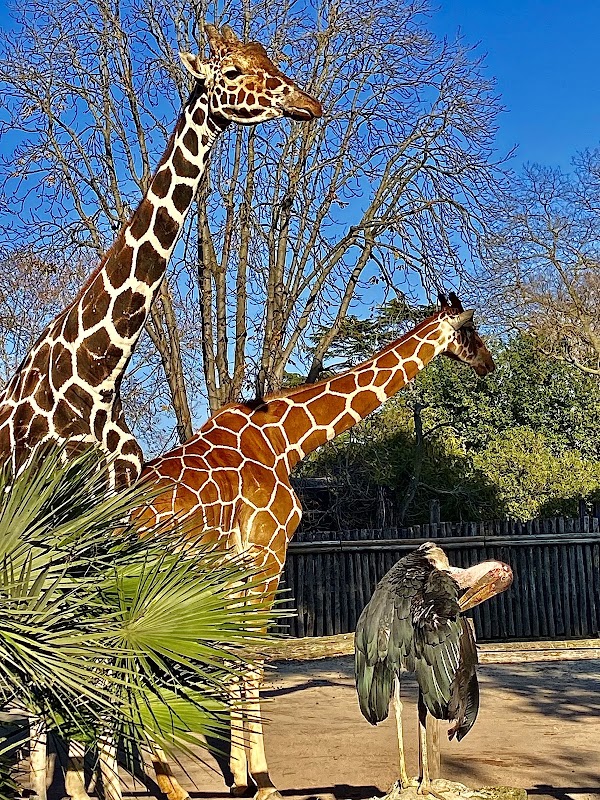
Inside the same park, the Bioparco is Rome's zoo, long-established and easy to combine with the gardens — reptile houses, big cats, and an area for smaller animals that holds attention well. If energy for walking is low, this is a self-contained couple of hours with plenty of shaded seating.
Bioparco di Roma
Photo: Domenico Brocato
Eat & rest
The park has scattered kiosks for gelato and snacks, and the streets around Piazza del Popolo at its southern edge have casual cafés for a proper lunch. Both the rowboats and the zoo close by early evening, so plan to be out with time to spare rather than rushing at the end.
Day 3Half day
St Peter's Square, without the queue for the dome
A note from Wonder
The square alone is a genuine wow, and the Basilica line moves faster than people expect. Metro A to Ottaviano, then a ten-minute walk. Dress code (shoulders and knees covered) applies to the Basilica for adults and children alike.
Anchor
St Peter's Basilica
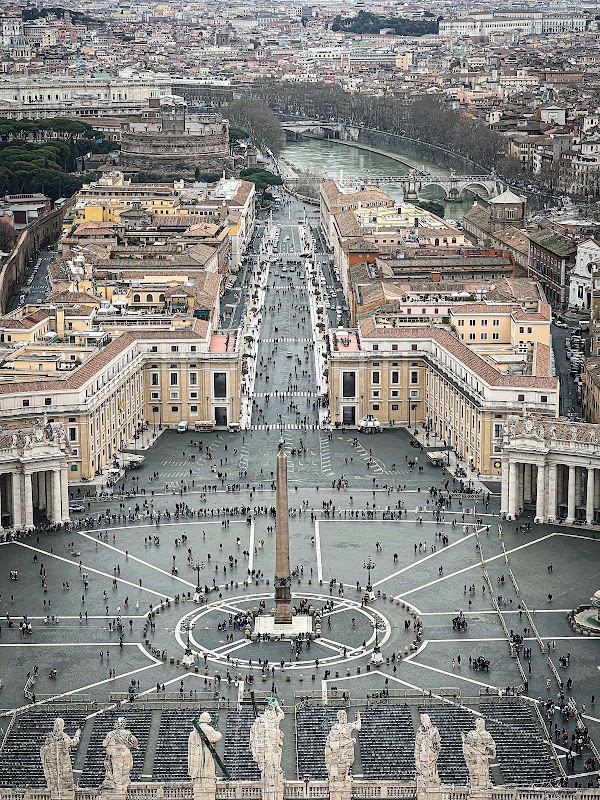
Keep the Vatican day realistic with young kids: St Peter's Square itself, ringed by Bernini's curving colonnades, is free, vast, and dramatic enough on its own to be worth the visit. The Basilica's interior — one of the largest churches in the world — is also free to enter and does not require the long, dedicated queue that the Vatican Museums and Sistine Chapel do.
The security line to get into the Basilica still builds fast once the square fills up, so the calm window is early morning — arrive close to opening and the wait is manageable, but it can stretch into an hour or more by midday. Once inside, the scale of the building, with its enormous dome and gilded ceiling, tends to hold young attention through sheer size. Save the Vatican Museums and Sistine Chapel — which really do need hours and quiet behaviour — for a trip when the kids are a bit older, or split off with one parent if you're travelling with two adults.
St Peter's Basilica
Photo: Aron Hughes
Backup
Castel Sant'Angelo
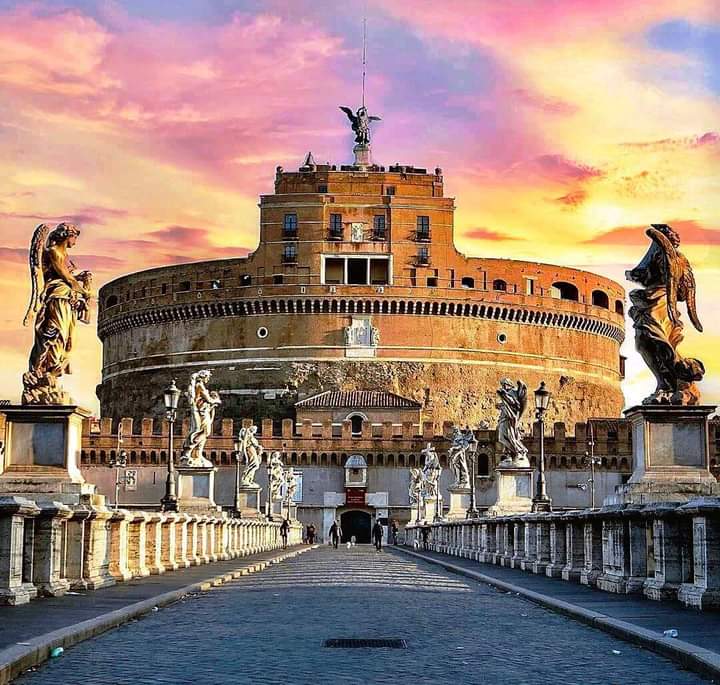
A short walk from the Vatican along the river, Castel Sant'Angelo is a cylindrical fortress originally built as a Roman emperor's mausoleum and later used as a papal fortress — kids can climb a spiral ramp through the middle of it to a rooftop terrace with wide views over the city. It's a more physical, climbable alternative to a church interior.
Castel Sant'Angelo
Photo: Luca D'Intinosante
Eat & rest
The streets just east of the Vatican, around Borgo Pio, have plenty of casual pizzerias and gelaterias geared toward visitors. Castel Sant'Angelo's riverside park, Parco Adriano, sits a short walk further along the same bank and is a good shaded rest if the square's open plaza has been a lot of sun.
Day 4Half day
Trevi, the Pantheon, and a hands-on museum
A note from Wonder
Fountains, a giant dome, and gelato — low walking distance, high payoff. All three sights are within a 15-minute walk of each other in the historic centre; no bookable tickets needed for Trevi or the Pantheon exterior.
Anchor
Trevi Fountain
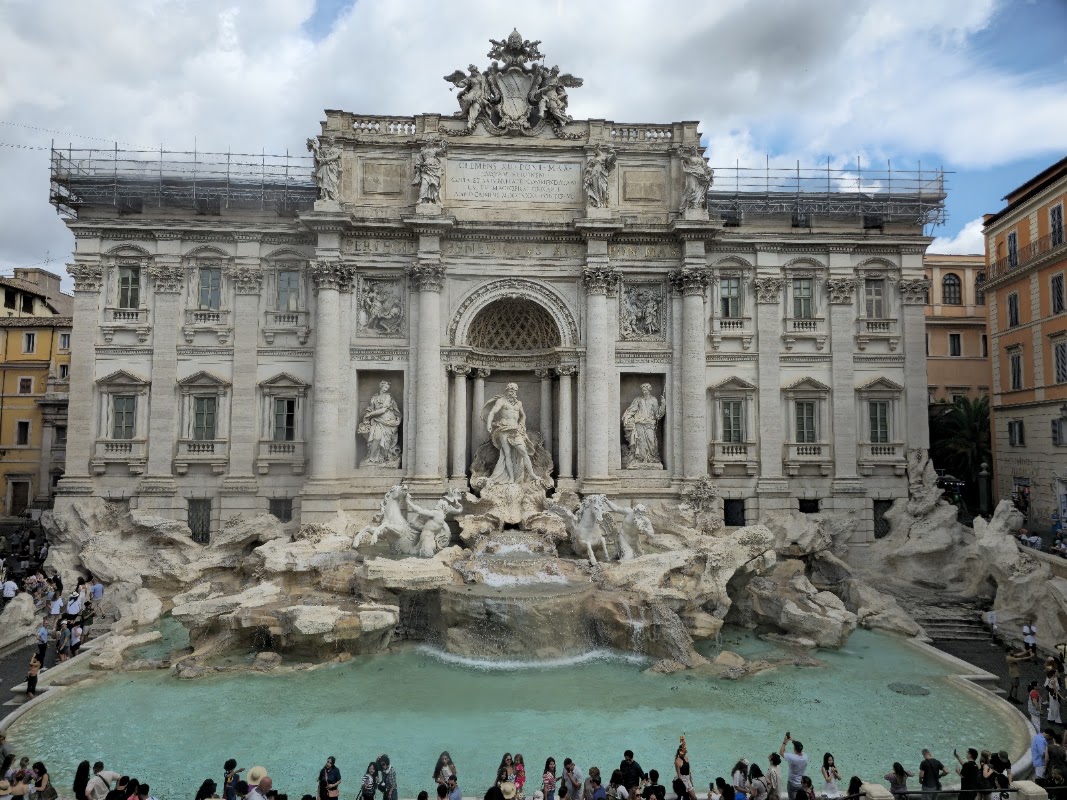
Spend the morning walking rather than queuing. The Trevi Fountain, completed in the mid-1700s, is a genuinely spectacular baroque set piece squeezed into a small piazza — let the kids throw a coin over their shoulder for the tradition, and don't try to linger too long given how packed the small square gets.
From there, it's a pleasant walk to the Pantheon, a nearly 2,000-year-old temple with an enormous unsupported dome and a hole open to the sky at its centre — free to admire from outside, and usually a short entry queue for a quick look in. String the walk between the two with a gelato stop; this is meant to be a wandering day, not a ticking-boxes one.
Trevi Fountain
Photo: Niels van overloop
Backup
Explora - Museo dei Bambini di Roma
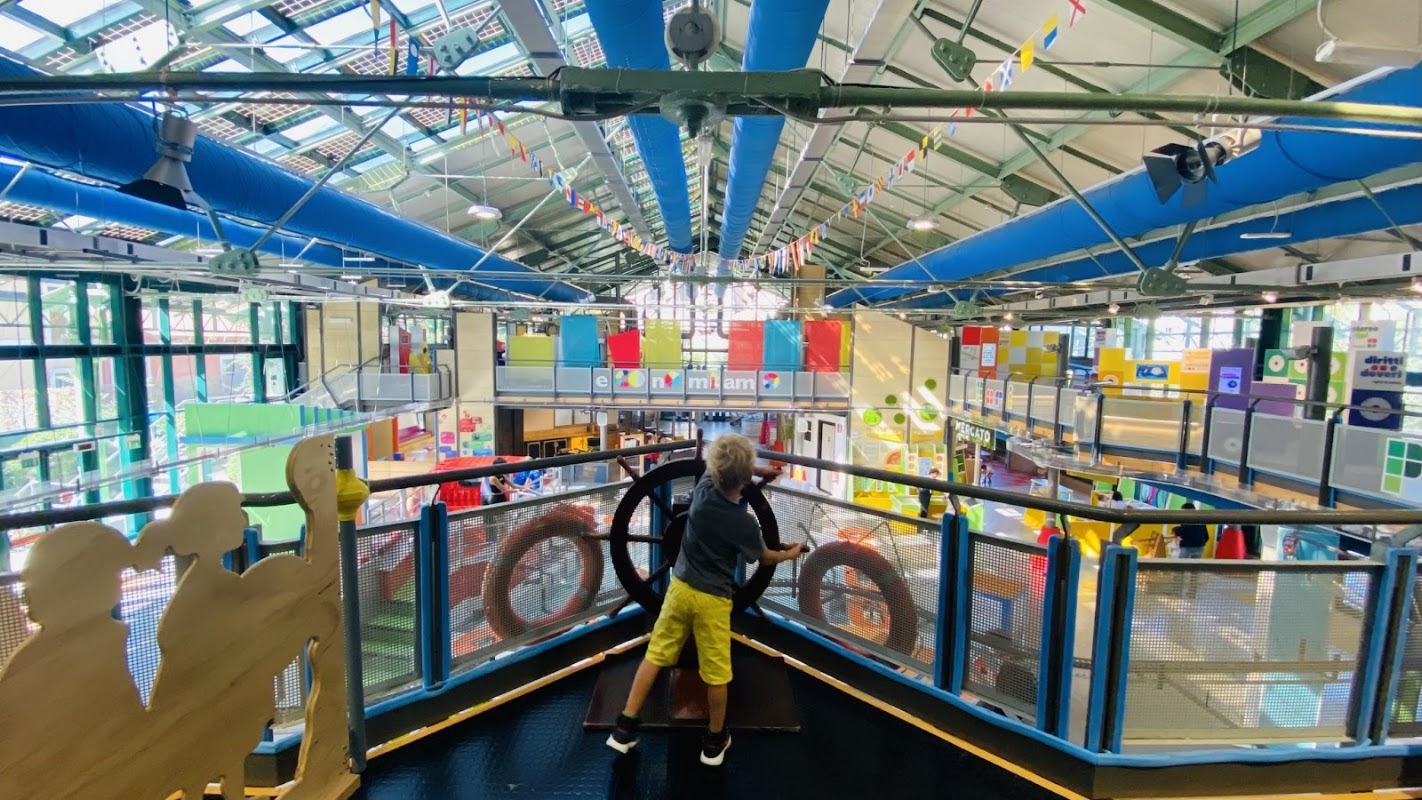
If the heat or the crowds around Trevi are too much, Explora is Rome's dedicated children's museum, a fully hands-on space built specifically for young kids with interactive exhibits about the body, water, and how everyday things work. It runs timed entry sessions, so check and book ahead, but it's a reliable indoor win on a hot or rainy afternoon.
Explora - Museo dei Bambini di Roma
Photo: Explora, il Museo dei Bambini di Roma
Eat & rest
This whole area between Trevi and the Pantheon is dense with gelaterias and casual cafés — this is the day to let the kids pick a gelato flavour at every stop rather than aiming for one big meal. Piazza Navona, just beyond the Pantheon, has street performers and space to sit that makes for an easy last stretch.
Day 5Half day
Piazza Navona and the cat sanctuary
A note from Wonder
No ticket, no timed entry, just a lively square and a curious animal detour — a gentle way to end five busy days. Both stops are a short walk from each other in the historic centre, easily combined with a final morning market visit.
Anchor
Piazza Navona
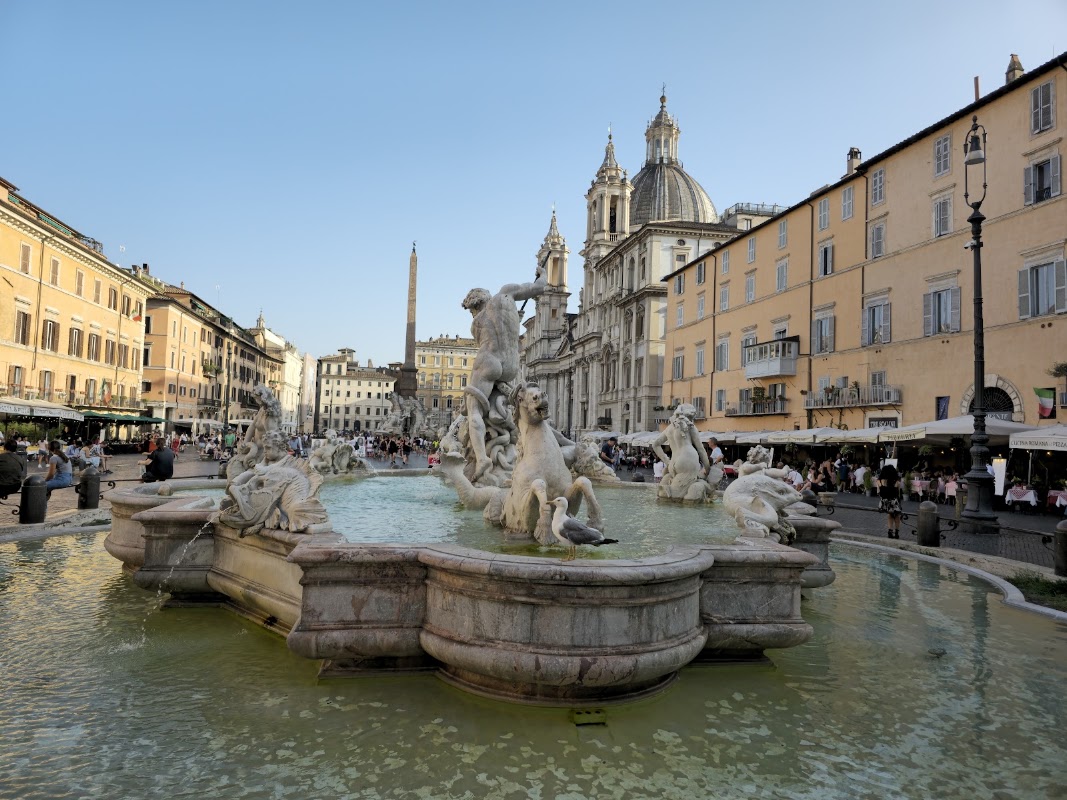
End on an easy, open square rather than another ticketed sight. Piazza Navona, built over the footprint of an ancient Roman stadium, is one of the liveliest public spaces in the city — street artists, musicians, fountains to admire, and plenty of room for kids to move without the density of Trevi. It's a good last morning because there's genuinely nothing you have to do here, just wander and let the day be unstructured.
Before or after, walk south to Largo di Torre Argentina, an excavated square of ancient temple ruins that has also been home to a well-known cat sanctuary for decades — a curious, free stop that combines old stones with a guaranteed animal sighting, which tends to land well with kids on a last day.
Piazza Navona
Photo: Posvai Tamás
Backup
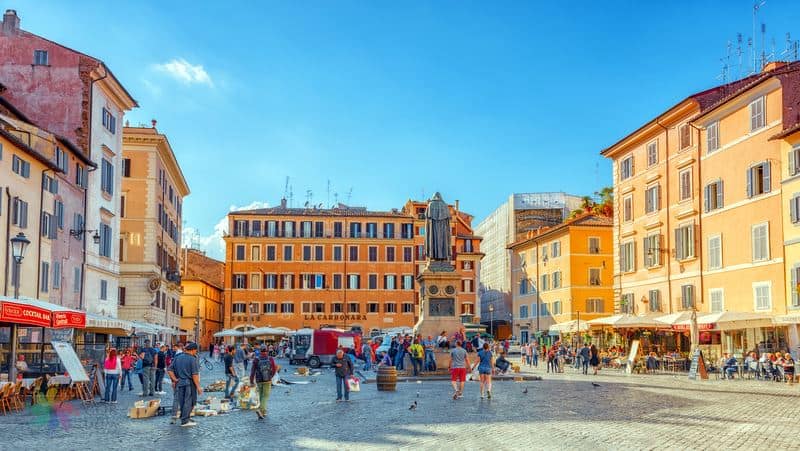
Campo de' Fiori
A few minutes' walk from Piazza Navona, Campo de' Fiori runs a lively morning market most days — fruit, flowers, and food stalls in a square that's been a market site for centuries. It's a shorter, simpler wander if the kids are tired of piazzas by day five, and it's a good spot to pick up fruit or a snack.
Campo de' Fiori
Photo: Kadir Tutay
Eat & rest
This whole quarter is full of relaxed trattorias that don't mind children — pick whichever square looks least crowded and settle in for a long final lunch. Save the last gelato for the walk back to wherever you're staying rather than trying to fit in one more sight.
Rainy day or heat-of-the-afternoon backup (indoors)
Rome summers get very hot, and the smart move is to spend the worst hours somewhere cool. Keep these in your back pocket:
Explora - Museo dei Bambini di Roma — the big indoor anchor: a hands-on children's museum with timed entry sessions (see Day 4).
St Peter's Basilica interior — free, enormous, and cool even in summer heat, without needing the long Vatican Museums queue.
Castel Sant'Angelo — thick stone walls keep it noticeably cooler inside, and the climb to the rooftop is a good change of pace from walking flat streets.
Gelaterias — a proper sit-down gelato stop is a legitimate half-hour of air conditioning and rest built into any hot afternoon.
Eating in Rome with kids
Roman trattorias are generally relaxed about children, and pizza al taglio (by the slice) is the easiest lunch strategy between sights:
Pizza al taglio (everywhere) — cut-to-order rectangular pizza sold by weight; the fastest, cheapest lunch on the go, and there is a shop on nearly every street.
Monti (near the Colosseum) — a relaxed neighbourhood with casual trattorias and pizzerias that suit a family lunch after the ruins.
Trastevere (across the river) — cobbled lanes full of family-friendly restaurants, good for an unhurried dinner on a slower evening.
A note on timing: Roman restaurants often don't open for dinner until 7.30 or 8pm — with young kids, aim for the earlier end of that window or lean on pizza al taglio to bridge the gap.
Make this Rome plan yours
Tell WonderKit your dates and who's coming, and we'll rebuild this around your group in about a minute — everyone votes on the plan, and costs split automatically. One subscription, the whole group.